LONG READ: From Kennedy to Trump - Conspiracies, assassinations, and secrets of American politics


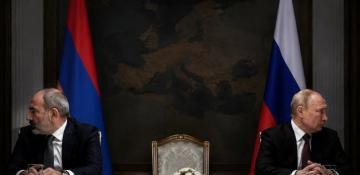
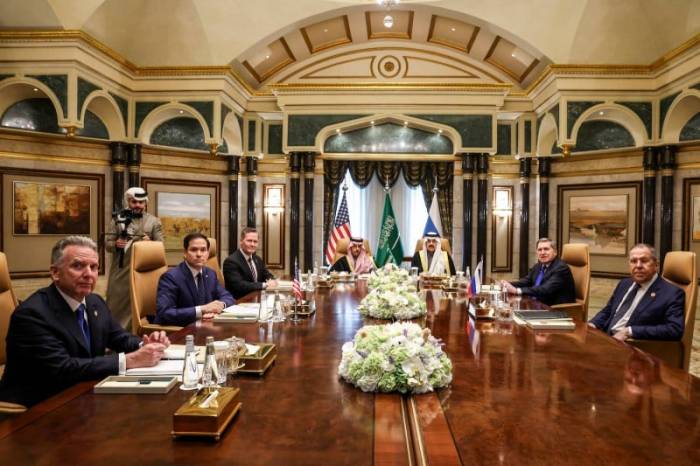
This week, Riyadh, the capital of Saudi Arabia, hosted the first round of negotiations between the United States and Russia.
 US Embassy
The initiative for such a meeting came from the American side, and Riyadh – the capital of Saudi Arabia – was chosen as a neutral venue for discussing the steps towards ending hostilities in Ukraine.
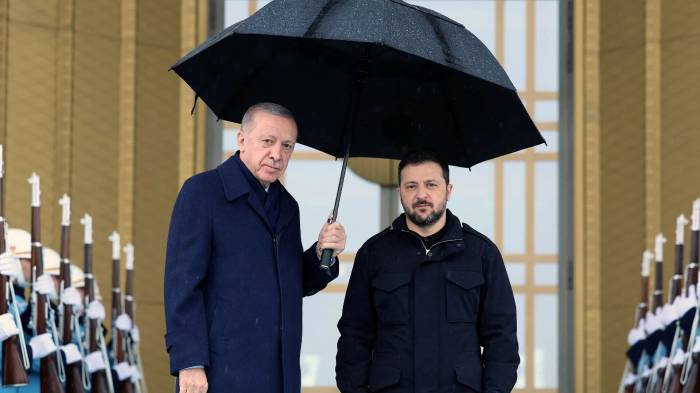
Interestingly, during the same days, Ukrainian President Volodymyr Zelensky embarked on a tour of three countries, having already met with his Turkish counterpart, Recep Tayyip Erdoğan, in Ankara.
 Middle East Eye
On the Ukrainian side, there have been repeated statements regarding the illegitimacy of meetings like the one in Riyadh, which took place without Ukraine's participation. Indeed, the American side, having completely disregarded Ukraine, which is the very territory where the fighting continues, the most destruction occurs, and countless lives are lost, declared that it would handle negotiations with Russia on its own. President Zelensky emphasized that his country would not accept any decision made without its involvement.
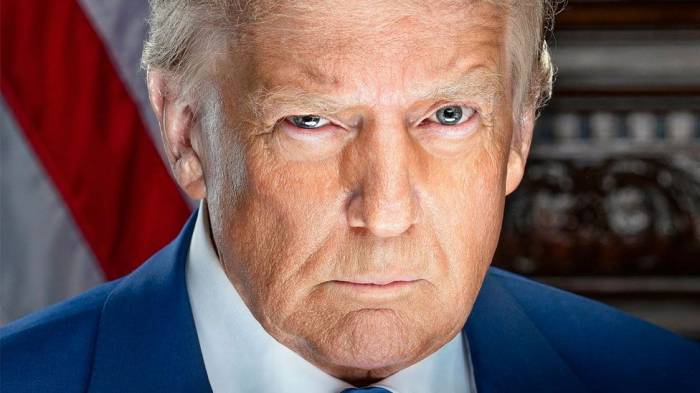
Meanwhile, U.S. President Donald Trump stated that Ukraine must sign a peace agreement with Russia.
 BBC
BBC
Within Ukraine itself, a rather contradictory picture has emerged: while some sections of society insist on continuing the war with Russia, the other half argues the opposite, advocating for an end to the war. The latter group speaks of war fatigue. At the same time, American society itself, where the president advocates for the immediate cessation of the war and the loss of lives under virtually any conditions, is also divided on this issue. While some citizens, political experts, and politicians argue for the need to end the senseless war, which has already claimed a huge number of lives on both sides, the "hawks" insist on continuing the war between Ukraine and Russia until the latter’s "total defeat"—a goal that seems highly unlikely, if not outright impossible. During his presidential campaign, Donald Trump repeatedly called for the war in Ukraine to be brought to an end, promising to achieve this, conditionally, in “3 days,” “a week,” or “10 days,” in other words, in a very short time. Moreover, at the time, as a candidate and later as president, Trump declared his predecessor, Joseph Biden, to be the main culprit behind the crisis that led to the war in Ukraine.
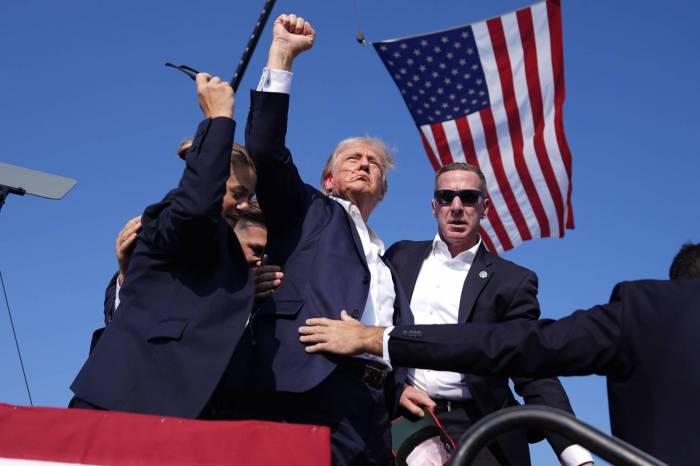
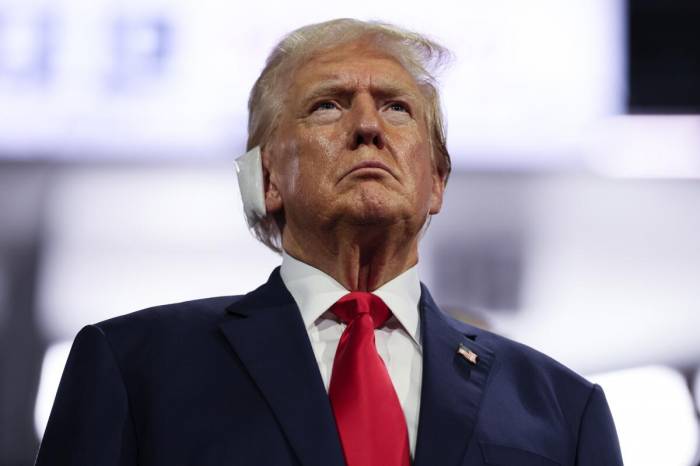
On July 13, 2024, during his election campaign in Pennsylvania, Donald Trump was the target of an assassination attempt.
 AP/Scanpix
Upon hearing the result of this attempt, the author of this article thought that the assailant must have held a rifle in his mouth and pulled the trigger with his pinky finger, and perhaps with the pinky of his left foot, if not some other part of his body.
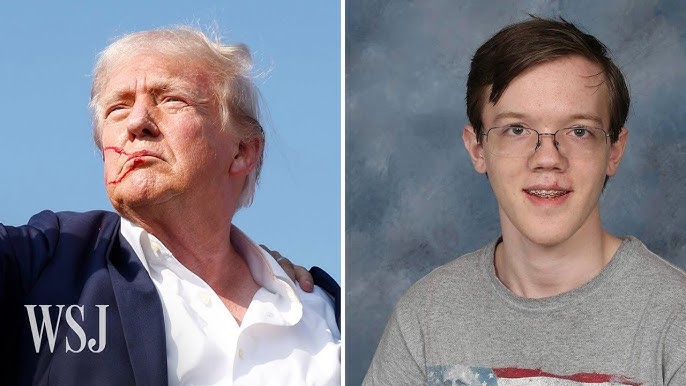
Thomas Matthew Crooks,
 The Wall Street Journal
the man who attempted to murder presidential candidate Donald Trump, was killed by a counter-sniper team from the Secret Service immediately after the attack. His motives remain unknown. It is difficult to assert whether this assassination attempt was linked to Donald Trump’s pre-election statements regarding Ukraine.
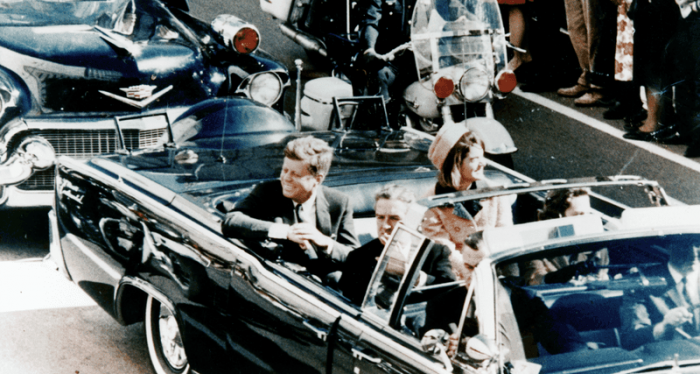
However, it is worth noting that the U.S. president recently declassified archival documents related to the assassination of the 35th president of the United States, John Fitzgerald Kennedy.
 WNYC Studios
"Many people have been waiting for this for so long, for years, for decades," Trump told journalists. "And now everything will be declassified." The 35th president of the United States, John F. Kennedy, was assassinated on November 22, 1963, in Dallas, Texas. According to the official version, his assassin, Lee Harvey Oswald—a U.S. Marine Corps veteran—acted alone. The case surrounding Kennedy’s assassination has generated countless theories about the involvement of the government, the CIA, the FBI, the Mafia, Cuban leader Fidel Castro, communists, and even the Ku Klux Klan. For decades, more than 50% of Americans, according to Gallup polls, have doubted the official version and believe that Oswald had accomplices. In 2023, 65% of Americans held this view. The most popular theory is that the U.S. government was involved in the assassination of Kennedy (supported by 38%).
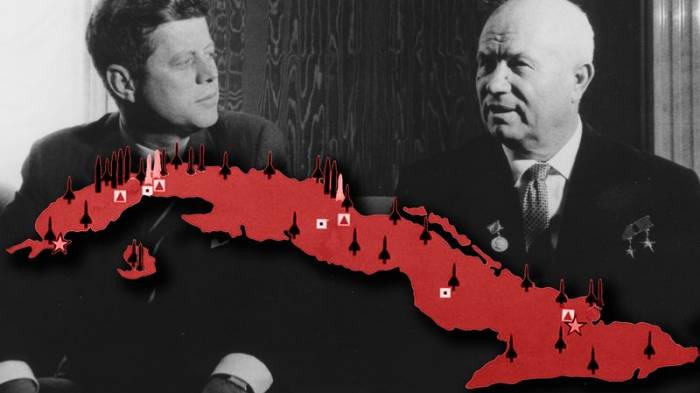
In 1961/1962, the United States and the Soviet Union were embroiled in the Cuban Missile Crisis.
 Britannica
The U.S. placed missiles in Türkiye, prompting the USSR to place missiles in its ally Cuba, where the Cuban Revolution had recently taken place.
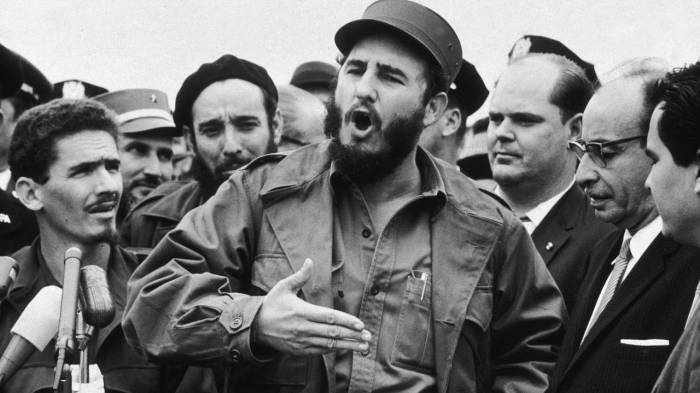
Fidel Castro,
 BBC
BBC
believing there was credible information that the Americans were planning to bomb Soviet bases in Cuba the following morning, suggested to Khrushchev through the Soviet ambassador in Cuba, Alexeyev, that the Soviet Union should carry out a preemptive nuclear strike on the U.S., stating that the Cuban people were ready to sacrifice themselves for the victory over American imperialism. Khrushchev responded by saying that "Comrade Fidel Castro had lost his nerve" and that negotiations with the Americans were going well. It is commonly believed that “Black Saturday” on October 27, 1962, was the day the world came closest to a global nuclear war.
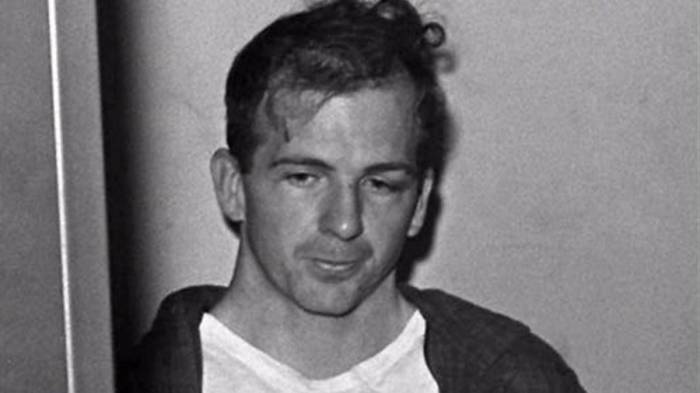
Lee Harvey Oswald,
 BBC
BBC
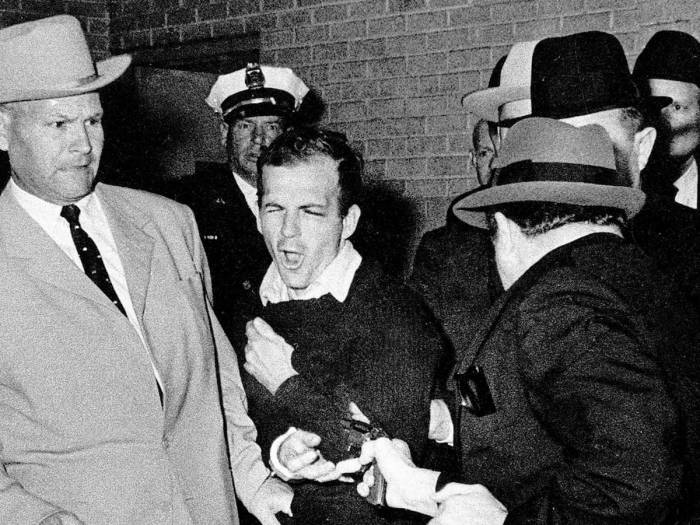
the alleged assassin of Kennedy, was shot dead on camera by nightclub owner Jacob Leon Rubinstein (Jack Ruby)
 The Guardian
two days after Kennedy’s assassination.
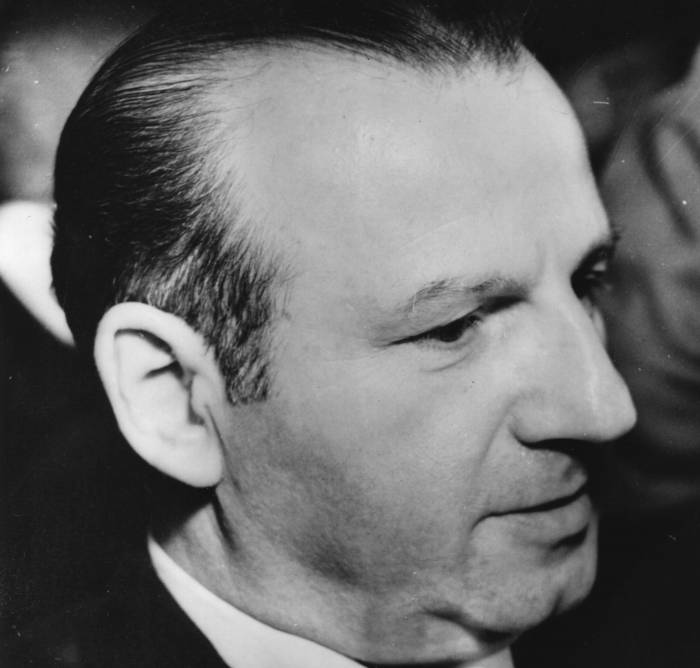
Ruby was connected to organized crime leaders,
 Azjewishpost
which led conspiracy theorists to argue that Oswald's killing was part of a broader conspiracy related to Kennedy's assassination. This theory is contested by the argument that Ruby’s ties to criminals were minimal and that he was not the type of person who could be used in such a high-level conspiracy. However, declassified documents in the Kennedy assassination case include a statement from an FBI informant who claimed that hours before the president’s death, Jack Ruby contacted him and invited him to the presidential parade, suggesting he "watch the fireworks" along the route of the leader's motorcade. On the night of October 27-28, 1962, at the request of President Kennedy, his brother, U.S. Attorney General Robert Kennedy, met with Soviet Ambassador Anatoly Dobrynin at the Department of Justice. Robert Kennedy stated that his brother was ready to provide guarantees of non-aggression and the prompt removal of the blockade from Cuba. Dobrynin asked Kennedy about the missiles in Türkiye. "If that is the only obstacle to achieving the above-mentioned settlement, the president sees no insurmountable difficulties in solving the issue," Robert Kennedy replied. Kennedy made concessions to the USSR, which caused significant dissatisfaction among anti-communist and anti-Soviet circles, as well as the CIA. These forces may have blamed President Kennedy for compromising U.S. interests with the Soviets, which could explain why President Kennedy lost his life in Dallas. His younger brother, Robert Kennedy, would be assassinated during his presidential campaign in 1968.
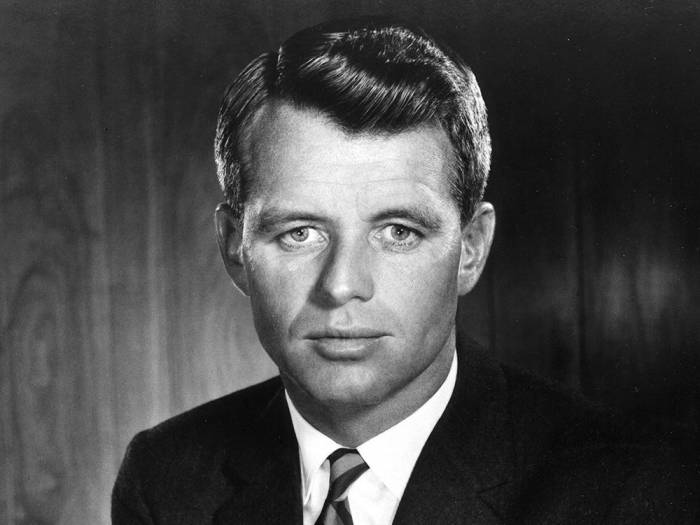
Given that Robert Kennedy
 Biography
held the position of Attorney General during his brother’s presidency and played a key role in the bloodless resolution of the Cuban Missile Crisis, it is entirely plausible that the same forces that removed his brother in 1963 were determined not to allow a second opportunistic brother to reach the White House.
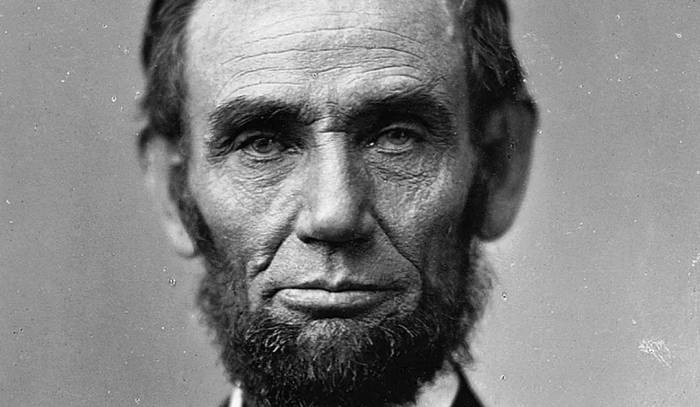
98 years before the assassination of JFK, President Abraham Lincoln was murdered.
 Ohio Civil War Central
The reasons behind the death of the 16th president of the United States were, of course, different, though somewhat similar. By 1865, the victory of the North had brought the Civil War to a close. The South was defeated and forced to accept Washington’s demands. That same year, President Lincoln signed the Emancipation Proclamation, which abolished slavery for African Americans in the United States. The 13th Amendment to the U.S. Constitution was officially ratified, which stated: "Neither slavery nor involuntary servitude, except as a punishment for crime whereof the party shall have been duly convicted, shall exist within the United States, or any place subject to their jurisdiction."
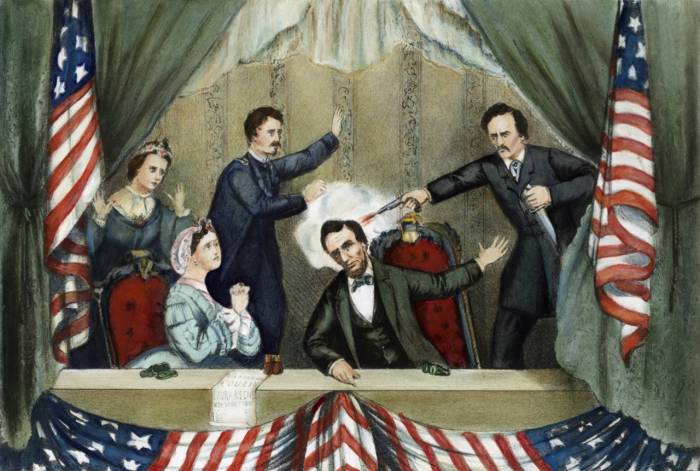
Subsequently, the president-liberator was assassinated at Ford’s Theatre during a performance on April 14 of that same year by a Southern agent, John Wilkes Booth.
 Posterazzi
It is reasonable to assert that the assassination of President Lincoln, who not only emancipated slaves with his decree but also secured victory in the Civil War over the slaveholding South, provoked significant discontent among Southern planters whose economy was built on slavery. Thus, by shooting the president, John Wilkes Booth was not only venting his own personal hatred but also expressing the animosity of countless slaveholders from the Southern states toward Abraham Lincoln. Lincoln, by the way, became the first assassinated president of the United States.
The next U.S. president to be assassinated for political reasons was William McKinley.
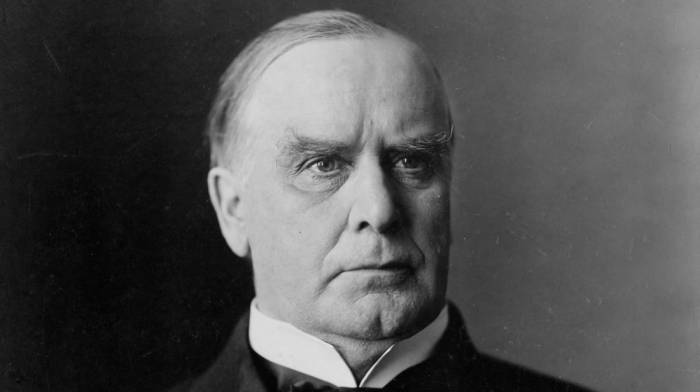 Mental Floss
In 1896, McKinley became the 25th president of the United States. In 1900, he was re-elected for a second term. During his first term, the United States had a highly successful war with Spain in the Spanish-American War of 1898.
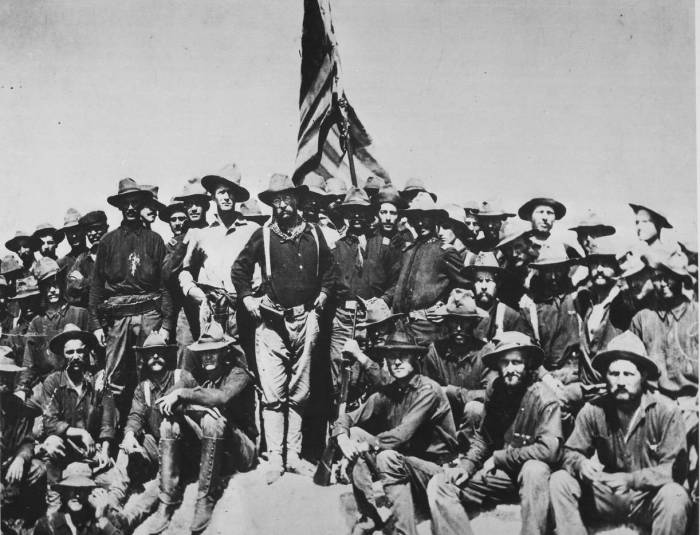 ThoughtCo
As a result of the conflict, the U.S. acquired Cuba, the Philippines, and Puerto Rico, and annexed Hawaii. McKinley also declared the abandonment of the Monroe Doctrine, initiating U.S. expansion into the Eastern Hemisphere. The Monroe Doctrine, a declaration of U.S. foreign policy principles stating "America for the Americans," was proclaimed on December 2, 1823,
by President James Monroe
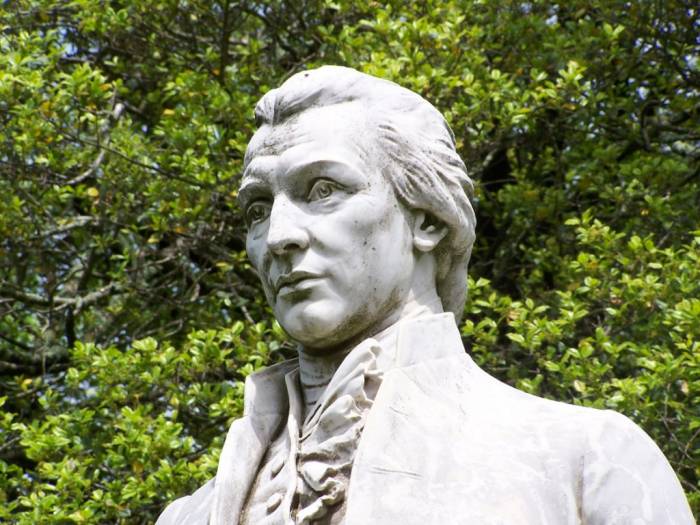 James Monroe`s Highland
in his annual message to Congress. It proclaimed the Western Hemisphere off-limits to European intervention, while simultaneously declaring a policy of non-interference in European internal affairs. In contrast, McKinley declared the United States' abandonment of the Monroe Doctrine and the beginning of active U.S. expansion into the Eastern Hemisphere.
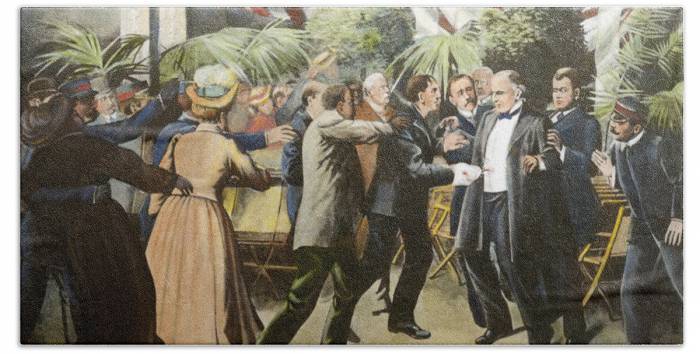
On September 6, 1901, at the Pan-American Exposition in Buffalo, President McKinley was shot by American anarchist Leon Frank Czolgosz.
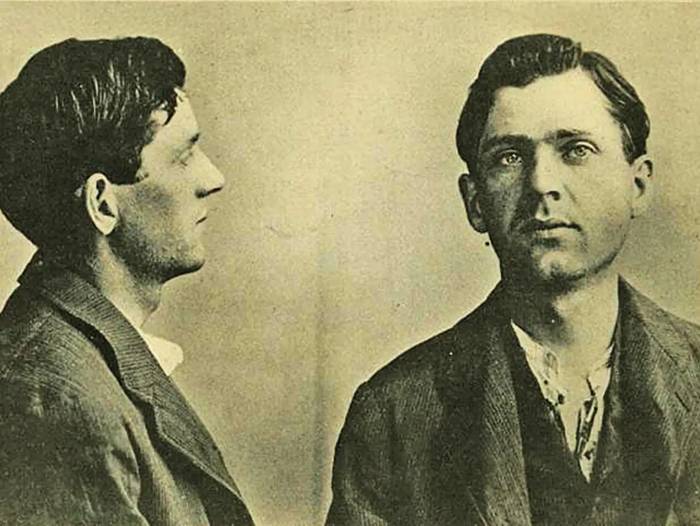 Dziennik Związkowy
The first bullet, fired from just a meter away, ricocheted off the president's suit button, causing no harm. However, the second bullet struck his abdomen, damaged internal organs, and lodged in his back (it was not recovered during the autopsy).
 Pixels Merch
McKinley, seeing that the security personnel were beating the captured assassin, calmly whispered, "Take it easy with him, boys."
Let us now shift our focus to Europe.
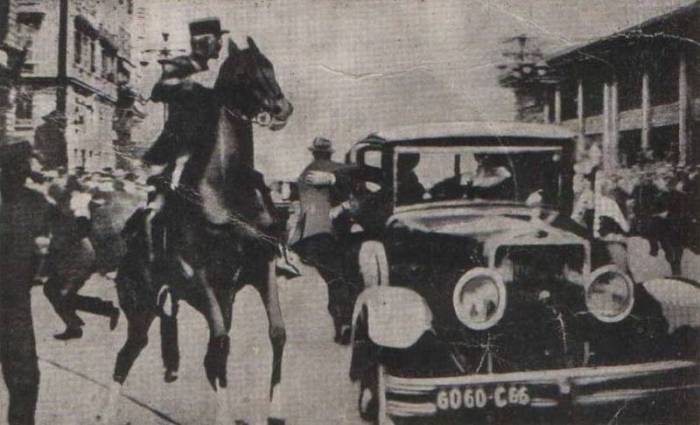
On October 9, 1934, in Marseille, French Foreign Minister Louis Barthou and King Alexander of Yugoslavia from the Karađorđević dynasty were assassinated by Bulgarian Vlado Černozemski.
The incident became one of the most notorious assassinations of the 20th century. According to the most common version, the assassination was orchestrated by the Bulgarian nationalist organization VMRO, supported by Nazi Germany and its allies, as well as the Croatian Ustaše.
 europebetweeneastandwest
The assassination in Marseille led to a number of significant political consequences. According to some historians, Barthou’s ideas conflicted with the plans of the Nazi regime in Germany. The realization of his vision for the revival of the Mediterranean Entente, supported by the French foreign minister, could have posed serious obstacles to their aims. One of the major barriers to a Franco-Italian alliance was the tense relationship between Italy and Yugoslavia. These two states had a number of territorial and ideological conflicts. In particular, the Italian fascist leadership had ties to the Croatian nationalist Ustaše movement and provided them with support, along with Hungary and Germany. The assassination in Marseille caused a sensation in Europe and resonated globally, in large part because it was captured on film—possibly for the first time in cinematic history, though French authorities attempted to seize all the film reels for censorship. In Yugoslavia, the footage was banned entirely, and the effect of the recordings was devastating. Albert Sarraut, who held the position of Minister of the Interior, was dismissed (later becoming prime minister in 1936, he introduced film censorship and personally reviewed all footage before it was sent to cinemas). The assassination further strained relations between Yugoslavia and Italy, as well as between France and Italy, while also cooling Yugoslavia’s enthusiasm for closer ties with France. Barthou’s death, having been a strong advocate not only for the revival of the Mediterranean Entente but also for the creation of an “Eastern Pact” involving the USSR, effectively put an end to his political ideas and deprived France of a proponent of "collective security."
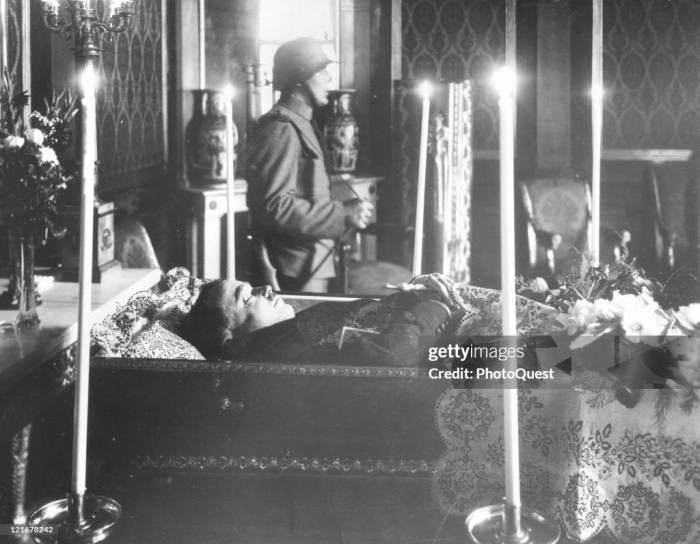
In the same year, just a few months before the Marseille assassination, in July, Austrian Reich Chancellor Engelbert Dollfuss was assassinated in Vienna.
 Getty Images
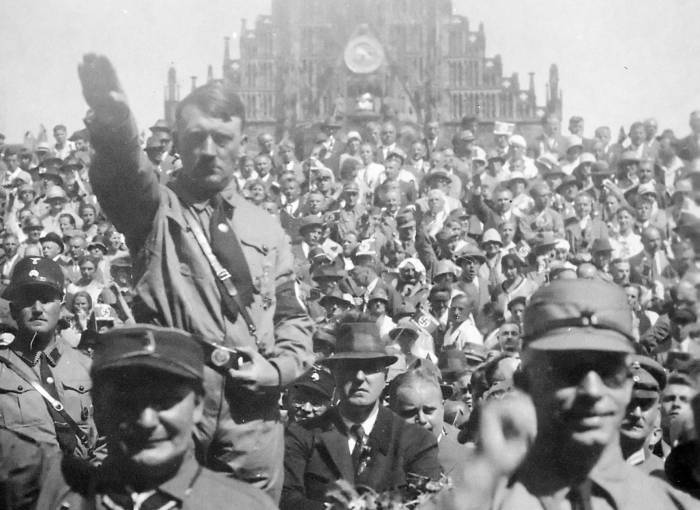
Dollfuss, who assumed office in 1932, actively opposed Germany’s plan (which culminated in 1933 with Adolf Hitler’s dictatorship) for the Anschluss—the annexation of Austria into Germany.
 nationalww2museum
Dollfuss was drawn to Italian fascism and secured Italy’s support in his confrontation with Nazi Germany. In exchange for promised radical domestic fascist reforms, Italian Prime Minister Benito Mussolini guaranteed Austria’s independence. In early 1933, Dollfuss imposed a ban on Nazi activities in Austria.
Mussolini, a close ally of Austria’s fascist regime,
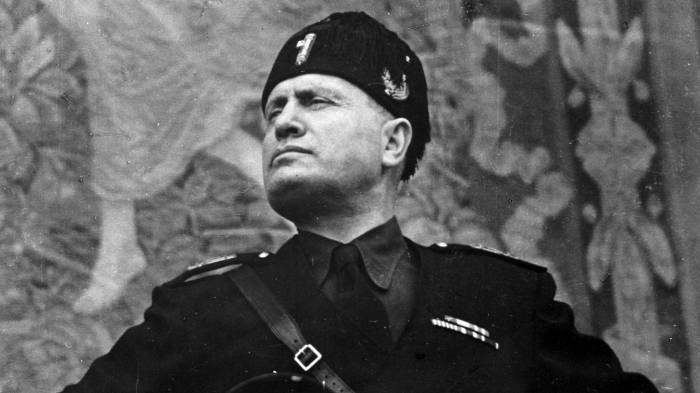 history.com
viewed the ban on the Nazi Party as a positive step and advised Dollfuss to also outlaw left-wing parties. To prevent political uprisings from both the Nazis and the left-wing factions, Dollfuss refused to summon parliament and established an authoritarian regime known as Austrofascism, suspending the constitution. The global economic crisis of 1929–1933 affected Austria as well. The urban population grew impoverished and radicalized. On February 12, 1934, anarchists and socialists launched an armed uprising in Linz, which quickly spread to Vienna and other cities. Government forces, with artillery aimed at Vienna, quelled the revolt, resulting in at least 1,000 deaths and many more injured. After suppressing the left-wing rebellion, Dollfuss transformed the country’s sole party, the Christian Social Party, into the "Fatherland Front," designed to unite all "loyal Austrians" under one banner. In May 1934, a new constitution based on Catholic social principles was adopted. Austrian Nazis, supported from Berlin, began a large-scale sabotage campaign, targeting power plants, administrative buildings, and railroads, and brutally attacking and killing Dollfuss’ supporters. On July 25, 1934, about 150 members of SS Standarten 89, disguised in Austrian military uniforms, stormed the federal chancellery. During an attempt to flee, Dollfuss was shot in the throat. The fatal shot was fired by Otto Planetta, the leader of the SS unit. The assailants denied him medical help and demanded that he hand over power to the Nazi puppet, Arthur Rintelen. When Dollfuss refused, the conspirators left him to bleed out on a couch, where he soon died.
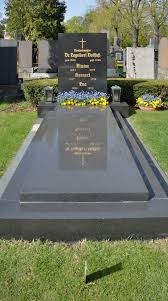
Find a Grave
However, the coup was poorly executed, and government forces led by Justice Minister Kurt von Schuschnigg
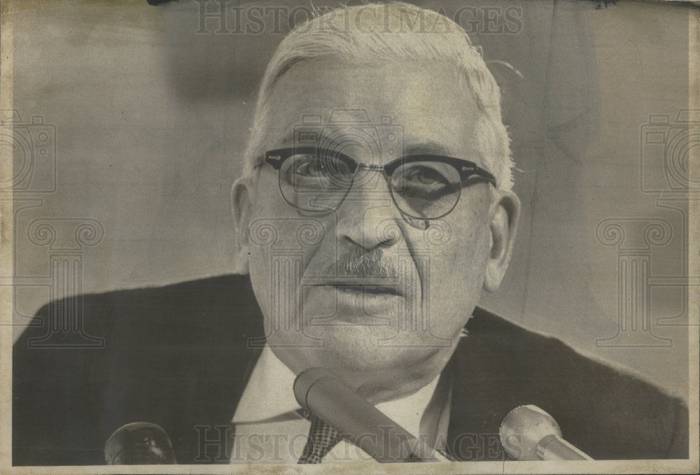 Historic Images
were able to prevail. Mussolini, who had an agreement with Austria, quickly deployed four divisions to the Brenner Pass, forcing Hitler to abandon his immediate plans for Anschluss, which would be realized four years later in 1938.
Another prominent victim of intergovernmental relations was Egyptian President Anwar Sadat.
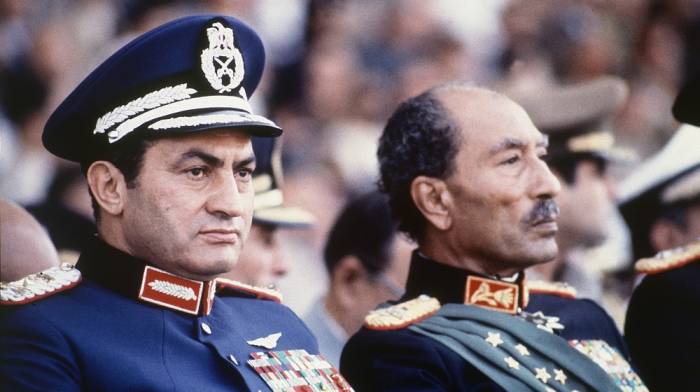 Al Jazeera
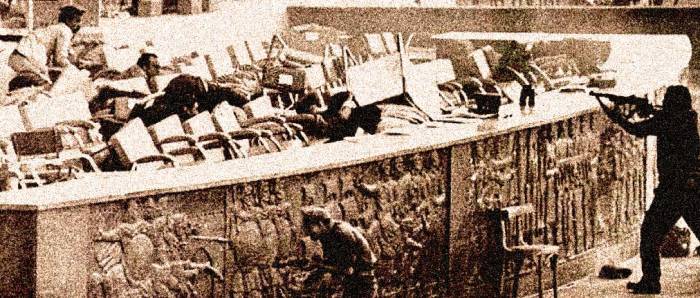
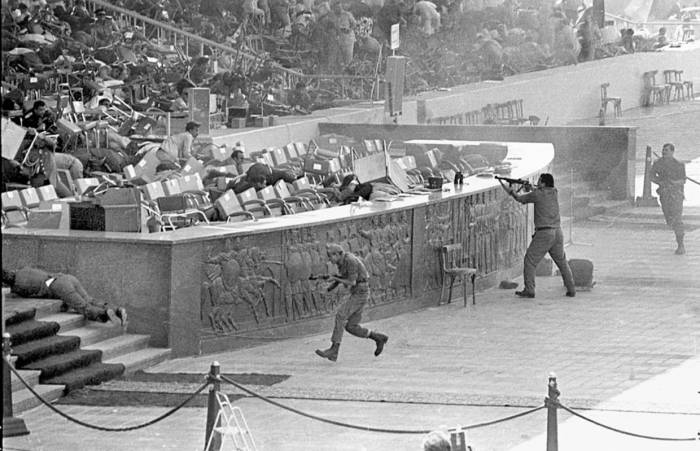
This time, in Africa. On October 6, 1981, during a military parade in Cairo, a group of conspirators from the fundamentalist group "Egyptian Islamic Jihad" jumped off a truck in front of the podium where Sadat and other dignitaries were seated.
 Past Daily
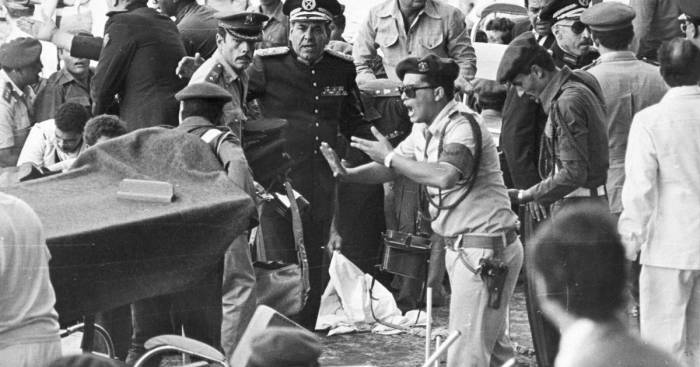
They threw hand grenades and opened fire with automatic rifles. The president was mortally wounded and later died in the hospital. Later in the parade, around 11:40, an artillery truck moving across the square suddenly stopped. Lieutenant Khaled Ahmed al-Islambuli, dressed in airborne uniform, jumped off the truck and threw a hand grenade toward the podium. It exploded before reaching its target. Moments later, five more commandos jumped off the truck and began shooting at the government podium. Panic ensued, and Sadat, standing up from his seat, exclaimed, "It can't be!" He froze, becoming a target for snipers. Bullets struck his neck and chest, severing the pulmonary artery.
 NBC News
According to another version, Sadat mistook the situation for an attempt by the unit to show him special allegiance, as parachutists had done earlier in the same parade, and stood up to salute in return. The shooting lasted about two minutes. Sadat was rushed to the hospital, where he died nearly two hours later. Islamist terrorists avenged Sadat for the Camp David Accords, which he had signed with Israel in 1978–1979. With the mediation of U.S. President Jimmy Carter, Sadat and Israeli Prime Minister Menachem Begin signed a peace treaty that ended the conflict between Egypt and Israel. Under the terms of the treaty, Israel returned the Sinai Peninsula to Egypt and recognized the "legitimate rights of the Palestinian people." It also included mutual agreement on granting autonomy to the residents of the territories controlled by Israel until a final resolution on their political status. Despite the treaty's evidently progressive and favorable outcome for Egypt and the Palestinians, it was seen by Islamists as a "betrayal" of Egyptian and Palestinian interests.
Thus, Sadat was condemned by the fundamentalists, who carried out the execution of his sentence on October 6, 1981, during the military parade.
 The Berkshire Eagle
One can only hope that the current U.S. administration, in its efforts to resolve the Russian-Ukrainian conflict, will refrain from resorting to radical measures, and that Washington’s war-hungry “hawks” will find a way to settle their disputes with Donald Trump—who has consistently advocated for peaceful resolutions—through political means rather than through violence or political assassinations. History offers us many lessons, each a stark reminder of how dangerous the pursuit of power can become when lines are crossed.
What is particularly alarming is that Trump himself has already been the target of such a threat. On July 13, 2024, in Pennsylvania, an assassination attempt was made on his life, an event that could have dramatically altered the course of American politics. This incident was not just an isolated attack; it underscored the high stakes of contemporary U.S. politics, where the deepening divide between rival factions increasingly pushes the boundaries of conventional democratic competition.
Today’s world is more unstable than ever. Armed conflicts, geopolitical crises, and economic turbulence have intensified global power struggles, leading political elites to consider measures that would have once been deemed unthinkable. In such an environment, caution is paramount. Even the most powerful nations have collapsed under the weight of their own overconfidence, blinded by the illusion of invincibility.
If history alone does not provide enough warning, then personal experience should serve as an unmistakable sign of the times. The political landscape of the United States increasingly resembles a high-stakes chessboard, where every move is critical and mistakes can be devastating. For Donald Trump, who is vying for a return to the White House, the road ahead is filled with formidable challenges, including serious security threats.
So, Mr. President, tread carefully. In a world where power and interests collide with relentless force, prudence is not just a virtue—it is a necessity for survival.
 Los Angeles Times


Similar news