Moscow and Washington resume talks: What to expect in the coming months?


Editor's note: Dmitry Rodionov is a Russian political scientist. The article expresses the personal opinion of the author and may not coincide with the view of News.Az.
For the first time since the outbreak of the Ukraine conflict, high-level officials from Russia and the United States have engaged in direct negotiations.
The meeting, held in Saudi Arabia, marks a rare diplomatic engagement between the two global powers, whose relations have been strained to an unprecedented degree. While no concrete agreements were reached, the very fact that such a meeting took place is a significant geopolitical signal. It indicates a willingness on both sides to engage in dialogue, exchange views, and possibly explore pathways toward de-escalation. However, any expectations of immediate progress would be premature—finding a resolution to such a complex and deeply entrenched conflict could take months, if not years.

The fact that Russia and the U.S. have not engaged in formal talks for four years underscores how deeply fractured their relationship has become. The last significant direct diplomatic engagement between Moscow and Washington occurred before the Ukraine war escalated, with subsequent interactions mostly limited to indirect or backchannel communications. The meeting in Saudi Arabia, therefore, is an event of symbolic importance, suggesting that both sides recognize the necessity of dialogue, even if their fundamental positions remain unchanged.
Despite the significance of the meeting, the prospects for an immediate resolution remain dim. Both Russia and the U.S. continue to uphold their respective positions firmly, leaving little room for genuine compromise. The meeting allowed both parties to clarify their stances and assess each other’s level of flexibility, but it did not result in any definitive steps toward de-escalation.
Western media, including Fox News, initially reported that a settlement plan involving three key elements—a ceasefire, elections in Ukraine, and a framework for the country’s future status—was under discussion. However, these claims were later debunked. While such a scenario is not entirely out of the question, it resembles previous proposals, such as the Minsk Agreements, which ultimately failed to bring lasting peace.
If a resolution is to emerge, it will likely be built around three core components:
- A ceasefire or reduction in hostilities
- Political changes in Ukraine, potentially involving constitutional or electoral reforms
- A new security agreement defining Ukraine’s role in the geopolitical landscape
Such a framework bears resemblance to what has been informally described as the “Trump Plan” in diplomatic circles. However, Moscow perceives this proposal as being heavily tilted in favor of Western interests, making it more of a concession than an equal compromise.

One of the most striking aspects of the Saudi-hosted negotiations was the absence of Ukrainian representatives. While this may seem unusual given that Ukraine is at the center of the conflict, it reflects a broader reality—Moscow views direct talks with Kyiv as meaningless, believing that Ukraine’s strategic decisions are dictated by Washington and Brussels.
Russia has repeatedly stated that any substantive negotiations must take place with Western powers, as they are the ones providing financial, military, and political backing to Kyiv. This perspective suggests that Ukraine will likely only be involved at the final stage of any peace process, primarily for the formal signing of agreements. The key parameters of any deal, however, will be shaped by Moscow and Washington.
This also raises critical questions about Europe’s role in the resolution process. European leaders have consistently stated their commitment to supporting Ukraine, even if U.S. involvement diminishes. However, the degree to which Europe can independently sustain Kyiv’s war effort remains uncertain. Given the economic and political costs involved, it is likely that Brussels will ultimately align its position with Washington’s, possibly in exchange for economic concessions or security guarantees.
Amid ongoing speculation, one of the most widely discussed scenarios is the possibility of a direct meeting between Russian President Vladimir Putin and former U.S. President Donald Trump. With Trump leading in several polls ahead of the 2024 U.S. presidential election, some analysts suggest that Moscow may be waiting to see if political dynamics in Washington shift before making any major moves.
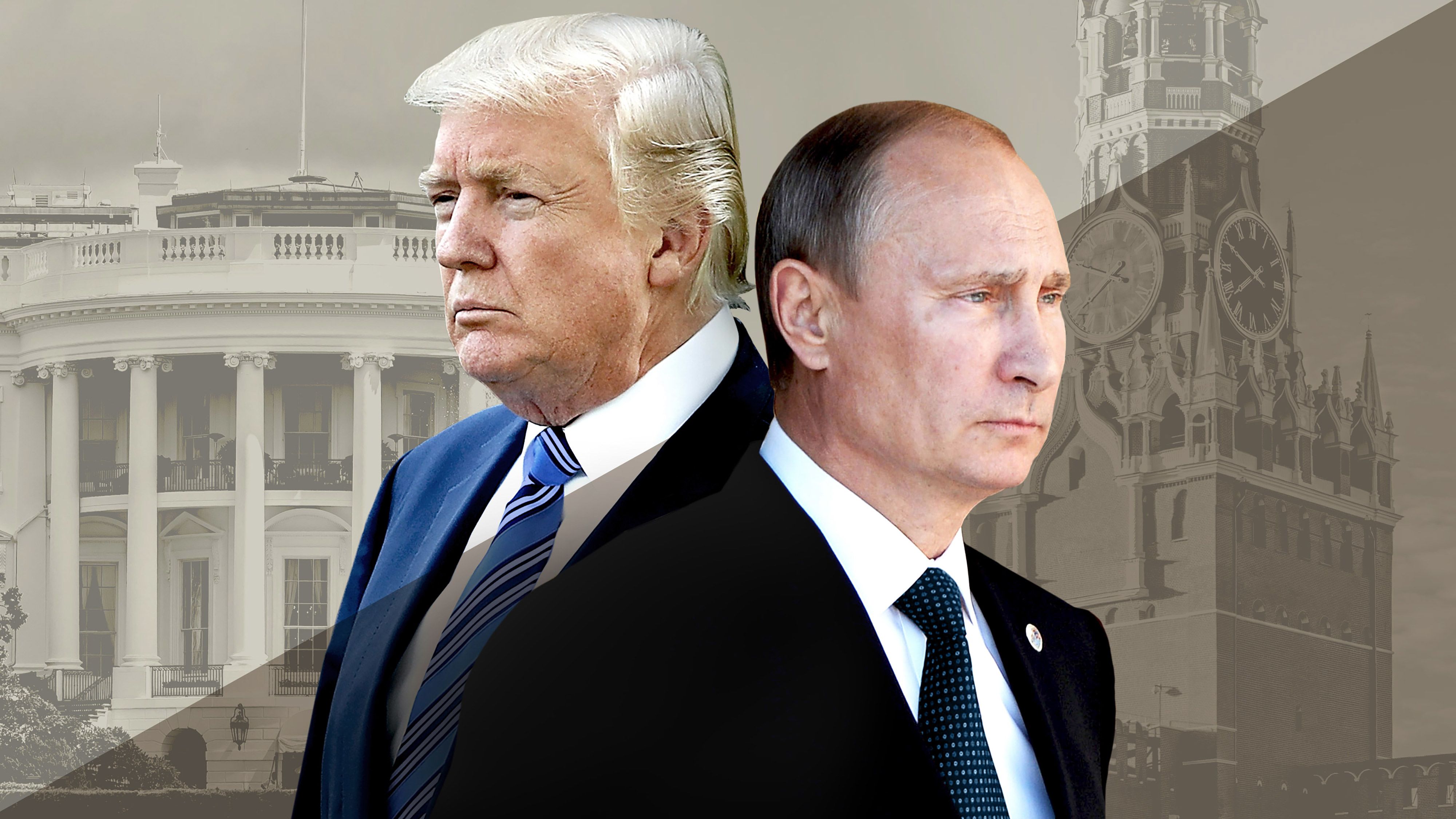
However, a personal meeting between Putin and Trump in the near future remains highly unlikely. High-level diplomatic summits typically serve to formalize agreements that have already been negotiated through backchannel diplomacy, rather than initiate new discussions. The current state of U.S.-Russia relations suggests that any potential agreements are still far from being finalized, meaning that a direct presidential meeting is not yet on the horizon.
If such a meeting were to occur, it would likely be more symbolic than substantive—a demonstration of political willingness rather than an immediate resolution of the crisis. Until the broader framework of a settlement is outlined, personal negotiations between the two leaders remain improbable.
The Russia-U.S. negotiations in Saudi Arabia represent an important step in diplomatic engagement, but they have not led to any immediate breakthroughs. While the meeting signals a mutual recognition of the need for dialogue, it is clear that both sides remain entrenched in their respective positions. Any meaningful progress will require sustained efforts over an extended period.
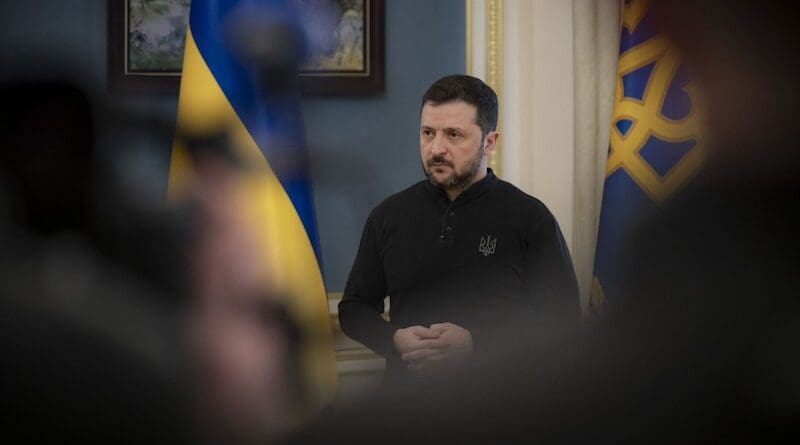
Moreover, Ukraine’s exclusion from the talks underscores the reality that the war’s resolution will be dictated primarily by external powers rather than by Kyiv itself. Europe’s role also remains uncertain, as it will likely follow Washington’s lead rather than pursue an independent strategy.
Looking ahead, diplomatic discussions at the expert level are expected to continue, but no game-changing decisions should be anticipated in the immediate future. The path to a settlement, if one is to emerge, will be long, complex, and filled with political and strategic hurdles. Until then, the conflict remains far from resolution, with global implications that will continue to shape international relations in the months and years to come.
(If you possess specialized knowledge and wish to contribute, please reach out to us at opinions@news.az).


Similar news