Germany faces tough UN Security Council race over Gaza stance


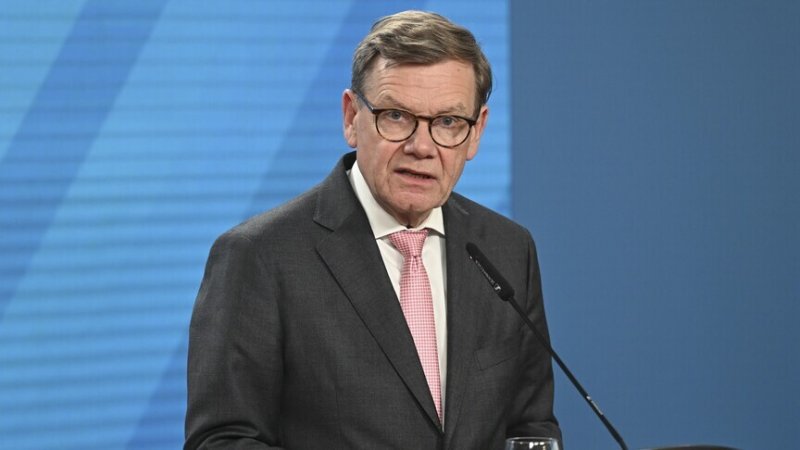
Germany is facing a tight race as it attempts to secure a non-permanent seat on the UN Security Council. Foreign Minister Johann Wadephul acknowledged on Wednesday that Berlin faces "tough competition" from close European allies in the upcoming General Assembly vote.
The vote will decide the two available seats for the "Western European and Others" regional group for the 2027–2028 term. To win a spot on the powerful 15-member council, Germany must capture a strict two-thirds majority of the ballots cast, News.Az reports, citing Anadolu Agency.
However, Berlin is up against Austria and Portugal—two strong candidates that make the campaign highly competitive. "Austria and Portugal are very close allies, which makes campaigning against them not entirely easy for us," Wadephul told public broadcaster Deutschlandfunk. "But I remain confident that we will be able to secure the required number of votes."
RECOMMENDED STORIES
Diplomatic observers predict a razor-thin margin. Germany's bid is traditionally bolstered by its political heavy-weight status inside the European Union and its position as one of the United Nations’ largest financial contributors to global development and international aid.
Despite these strengths, Germany's foreign policy has emerged as a significant liability among voting UN member states:
The Gaza Conflict: Germany's staunch, blanket support for Israel throughout the Gaza war has drawn heavy international criticism. Observers warn that Berlin's reluctance to take a harsher stance against humanitarian violations could cost it critical votes from the Global South.
Perceived Double Standards: Critics point to Germany's silence or hesitation to label US military actions in Venezuela or joint US-Israeli strikes on Iran as breaches of international law.
Foreign Minister Wadephul pushed back firmly against accusations of a double standard, insisting that Germany remains a steadfast defender of the rules-based global order.
"It is true that we must not apply double standards; we must uphold the same principles," Wadephul stated. "Regarding the question of violations of international humanitarian law in the Gaza Strip, we have indeed spoken out."
As evidence of Berlin's willingness to act, Wadephul cited Germany's decision last August to temporarily pause specific weapons shipments to Israel that could be deployed in Gaza. "We have also taken a very strong measure by temporarily suspending deliveries of military goods to Israel. So, it is not the case that we are turning a blind eye to this."
If Germany successfully clears the two-thirds threshold, Wadephul promised the nation would use its seat to fiercely advocate for international law and strengthen the UN's role in maintaining global peace and stability.
By Aysel Mammadzada


Similar news