New diplomatic order emerging in Middle East amid U.S.–Russia talks


A potential revival of U.S.-Russia dialogue, led by Donald Trump and Vladimir Putin, may significantly alter the trajectory of the war in Ukraine, while also reshaping the global diplomatic landscape. In an interview with News.Az, Georgian political scientist Archil Sikharulidze, founder of the SIKHA Foundation, stated that the key to rebuilding mutual trust lies in restoring full diplomatic missions between the two powers.
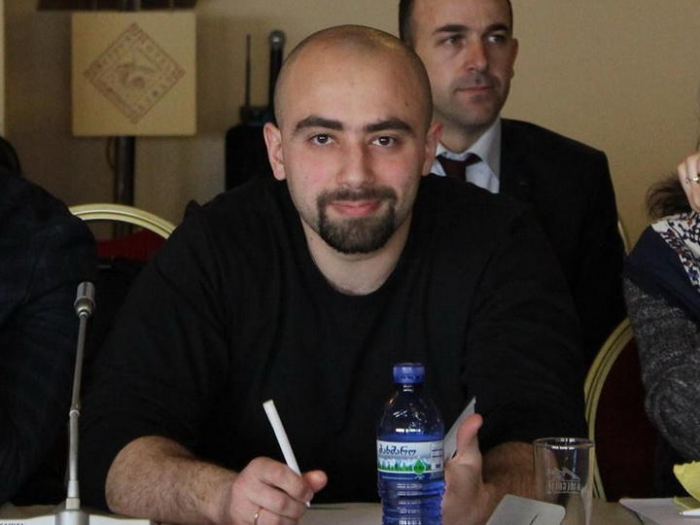
“The most critical step toward restoring trust is the reinstatement of embassies—Russia’s in Washington and the U.S. mission in Moscow. Simply appointing ambassadors would send a powerful signal. That is the essence of a renewed dialogue,” Sikharulidze emphasized.
He argues that this would not merely be a symbolic gesture but a tangible move toward unfreezing stagnant relations between Moscow and Washington.
However, Sikharulidze notes that reaching agreements on more complex issues—such as the Black Sea Grain Initiative—is significantly more challenging, as it involves not only Russia and the U.S. but also Ukraine, which has its own independent interests.
“Ukraine’s position often clashes with both the Trump administration’s approach and Putin’s strategy,” he observed, adding that Kyiv is attempting to assert sovereignty and resist political pressure, but with limited leverage.

Source: Politico
Sikharulidze recalls that in the past, following a failed meeting between Trump and Zelensky, Washington suspended its support, prompting Kyiv to make concessions. He believes a similar pattern could repeat itself.
“Kyiv wants to show that it can act independently of Trump’s pressure, but in reality, it lacks the mechanisms to resist. If negotiations between Trump and Putin move forward, Ukraine will be subjected to serious pressure—especially from Trump, who knows how to apply it,” he said.
According to Sikharulidze, both Trump and Putin are interested in striking a deal, whereas Kyiv is in a much weaker position. A potential agreement could also signal the return of Western businesses to the Russian market.
“Many international companies that officially exited Russia have actually maintained legal avenues for re-entry through franchise structures. Once a deal is struck, they’ll be eager to return,” he suggested.
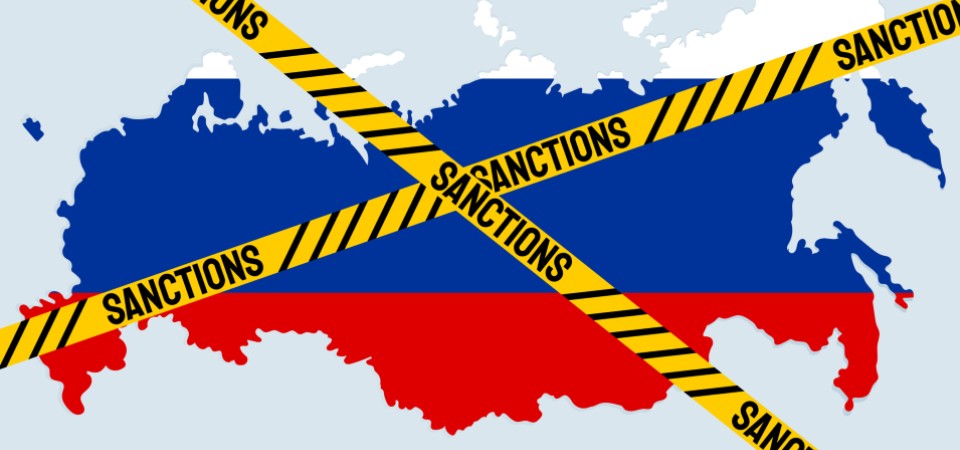
He adds that the Russian side is equally interested in softening Western sanctions, as the business community is pushing for renewed access to global markets. Such developments, however, would undermine the current EU leadership, especially Brussels’ bureaucrats who remain aligned with President Joe Biden’s hardline approach.
Sikharulidze warns that certain EU states, particularly the United Kingdom and some Eastern European countries, would likely resist any thaw in U.S.-Russia relations.
Regarding a possible ceasefire agreement or a moratorium on strikes, the political scientist claims that Russia would be highly interested in such an arrangement, while Ukraine remains skeptical.
“Everything hinges on Washington’s ability to convince Kyiv that a deal between the U.S. and Russia is the best outcome it can realistically hope for,” he stated.
The political climate in Europe, according to Sikharulidze, also reflects frustration with the way the situation is evolving. Many European countries—especially Poland and the Baltic states—had hoped Russia would suffer a strategic defeat and be forced into a humiliating peace agreement.
“Instead, what we see is Russia emerging not as the defeated side, while Ukraine is being forced to accept terms it would have never considered under Biden,” he explained.
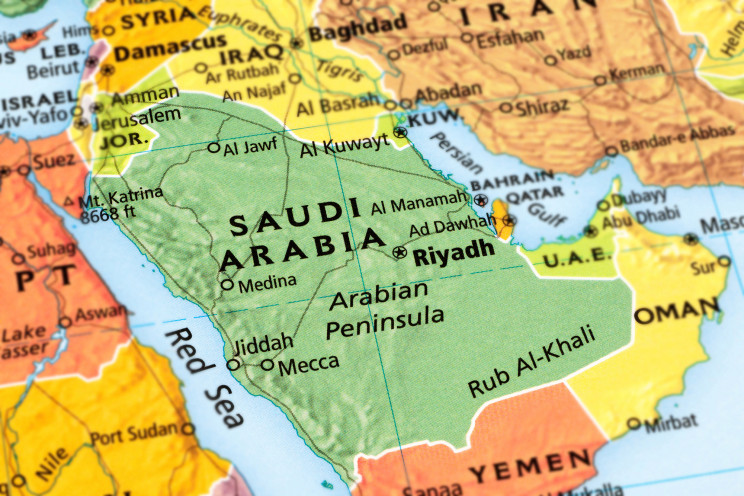
When it comes to potential mediators, Sikharulidze believes that few countries are capable of playing a neutral role, but two Gulf states have stepped into the vacuum.
Source: CNN
“Qatar and Saudi Arabia have firmly established themselves as credible negotiation platforms—not because they’re strictly neutral, but because they’re willing to host dialogue between adversaries,” he said.
He points out that both nations have their own interests, but these do not conflict with those of the negotiating powers. Türkiye, once a potential mediator, has been sidelined due to recent domestic unrest.
In Sikharulidze’s view, a new diplomatic architecture is taking shape in the Middle East. Qatar and Saudi Arabia are now hosting critical negotiations not only between Israel and Gaza but also among Ukraine, Russia, and the United States.
“What we are witnessing is the emergence of a new model for global diplomacy, with the Gulf states increasingly at its center,” Sikharulidze concluded.


Similar news