Rising oil prices: What to expect in the coming months


.png)
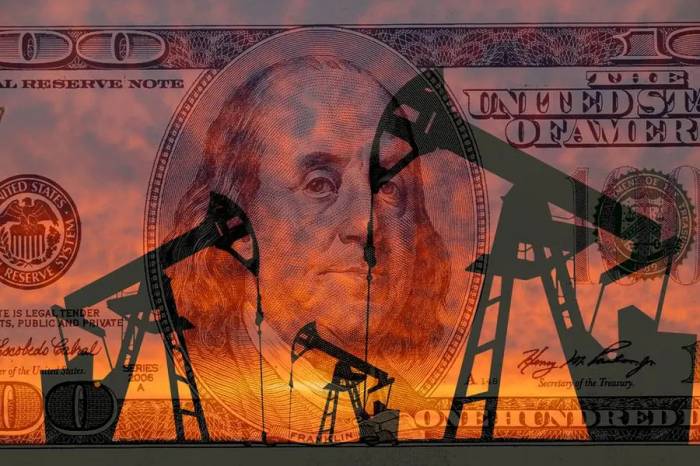
The future of global oil prices remains a topic of intense debate, with opinions shaped by a series of unfolding events poised to impact the market. The delayed U.S. presidential election, Donald Trump's stark divergence from the Biden administration’s energy policies , the fall of the Syrian government, and discrepancies between real-time oil prices and OPEC+ decisions have all contributed to the uncertainty surrounding oil price forecasts.
Oil prices have surged following the collapse of the Syrian government, a development that has destabilized the Middle East and dealt significant blows to its long-time backers, Russia and Iran. Brent crude climbed toward $72 a barrel, while Texas Intermediate surpassed $67. Former President Donald Trump has reignited his rallying cry to "drill, baby, drill," promising to halve energy costs. This approach has raised alarms among emerging market oil producers reliant on dollar earnings, while offering hope to poorer oil-importing nations. Meanwhile, the power vacuum left by Bashar al-Assad’s fall has sparked competition among various factions, raising fears of escalating violence akin to the turmoil in post-revolution Libya and Iraq.

In light of these complex dynamics, News.Az sought the insights of Professor Elshad Mammadov, a Doctor of Economic Sciences, on the future trajectory of oil prices.
According to Professor Mammadov, a Trump administration would prioritize stimulating domestic oil and gas production far more than its predecessor. “This aligns with Trump’s broader philosophy of prioritizing the real sector, especially manufacturing, and addressing the U.S. trade deficit. Revitalizing the industrial sector and boosting the American economy are likely to be central goals. Increased supply in the market, coupled with efforts to expand U.S. energy exports, would naturally exert downward pressure on oil prices.”
Professor Mammadov predicts these trends could lead to a significant decline in oil prices. “Following the shale revolution, the U.S. has emerged as a key player in the global oil and gas market. The only effective counterbalance to U.S. influence is the OPEC+ alliance, which aims to neutralize the expanding supply and stabilize prices. While I don’t foresee prices falling to $40 per barrel in the short term, the downward pressure will persist unless there are serious geopolitical or military disruptions—an outcome that cannot be ruled out,” he explained.
Discussing the implications of the Syrian crisis on global oil and gas markets, Professor Mammadov stressed that the situation remains highly unpredictable. “The Middle East is far from achieving stability. Israel’s aggressive policies and Turkey’s growing influence in Syria could deepen conflicts, possibly leading to military-political confrontations. The region faces a turbulent future, and resolving these issues seems a distant prospect.”
In response to OPEC’s recent statements on production cuts, Professor Mammadov underscored the critical role of the OPEC+ alliance in ensuring price stability. “Without OPEC+, we could see sharp price fluctuations. The alliance must adopt regulatory measures to counterbalance the increasing U.S. oil and gas supply. Most oil-producing countries heavily depend on export revenues, making production cuts particularly challenging. However, if the alliance collapses, it could destabilize both the oil and gas markets, which are closely interconnected.”
He further emphasized the importance of cooperation among major OPEC+ players such as Russia, Saudi Arabia, and Iran. “The survival of the OPEC+ format hinges on their ability to find common ground. External pressures also make maintaining this alliance imperative. Today, the global oil market is essentially shaped by two competing forces: the U.S., which seeks to drive prices down, and OPEC+, which aims to stabilize them. Maintaining a delicate balance between these forces will be crucial for market stability.”
Concluding his analysis, Professor Mammadov highlighted the profound impact of geopolitical and military factors on oil prices. “Global economic and political turbulence cannot be ignored. These factors are capable of dramatically altering the dynamics of the oil and gas markets.”


Similar news