Russia and Iran forge strategic partnership: Insights from experts


.png)
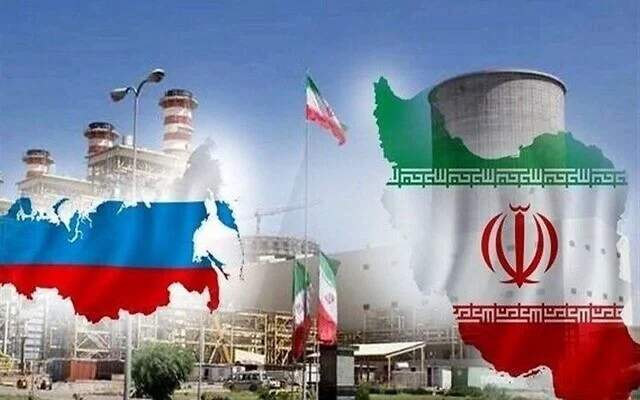
Photo: An image shared by Iranian official press agency IRNA to highlight growing economic ties between Tehran and Moscow
Russia and Iran have solidified their relations with a 20-year " strategic partnership " treaty encompassing key areas such as defense, technology, energy, and trade. Under the agreement, both nations pledged to consult and collaborate to address military and security threats, participate in joint military exercises both within their territories and beyond, and ensure that their lands would not be used for actions against one another. Iranian President Pezeshkian described the accord as a new chapter in Russia-Iran relations.
To delve deeper into the implications of the treaty, News.az consulted political experts.
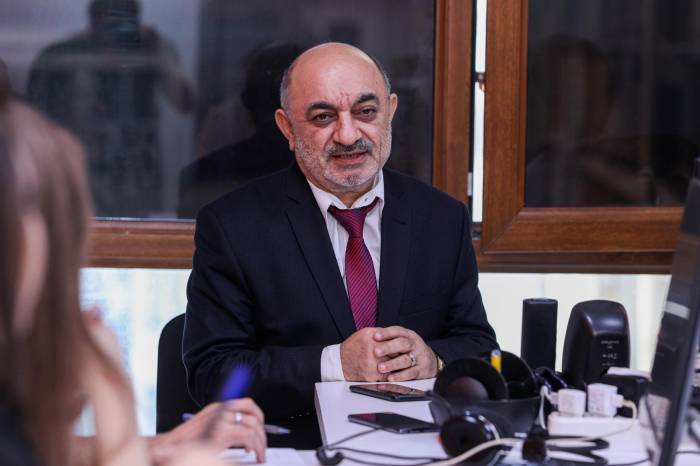
Sadreddin Soltan, head of the Middle East Studies Center in Baku, noted that the 47-point comprehensive agreement includes provisions for security cooperation, the exchange of military personnel, joint exercises, and a commitment to mutual defense in line with the UN Charter. The treaty also addresses energy collaboration, with plans to transfer Russian natural gas to Iran via Azerbaijan. Soltan emphasized Azerbaijan’s strategic importance as the most reliable and cost-effective route for such transfers.
Highlighting an intriguing aspect of the treaty, Soltan pointed to its stance on territorial integrity. He explained that both nations share positions on regional issues in the South Caucasus and Central Asia but also face unresolved territorial disputes. Russia’s annexation of Ukrainian territories and Iran’s claims over the islands of Abu Musa and the Greater and Lesser Tunbs have yet to gain full mutual recognition. Soltan noted that while both countries emphasize defending territorial integrity, these unresolved issues reveal potential divisions in their strategic relationship.
Soltan also observed that the treaty has been years in the making. While Iran and Russia have often cooperated, they have never been true strategic allies. This agreement marks a notable step toward formalizing their partnership. Furthermore, he highlighted Iran’s ongoing negotiations with the European troika—Britain, Germany, and France—where the agreement with Russia could serve as leverage. Soltan speculated that Tehran might use its enhanced partnership with Moscow to strengthen its position in these discussions, signaling that closer ties with Russia could be expanded if Western conditions are not met. However, the agreement’s full implementation requires approval from Iran’s parliament and Supreme Leader Seyyed Ali Hosseini Khamenei.
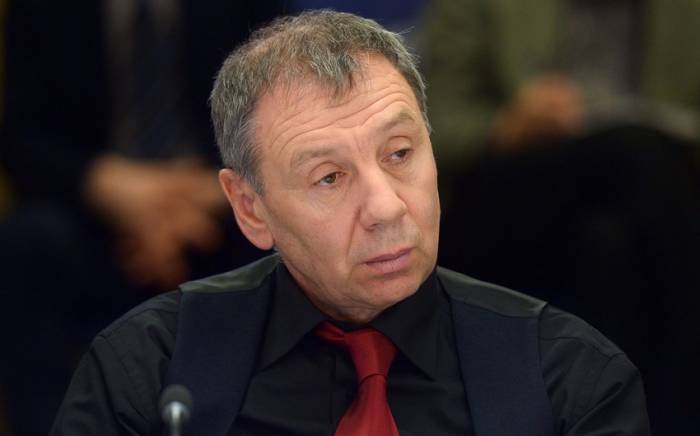
Sergey Markov, a Russian political scientist and Director of the Center for Political Studies , underscored that the agreement aims to provide a stable framework for the Russia-Iran partnership. According to Markov, the treaty differs significantly from Russia’s agreements with other nations, such as North Korea, which include explicit mutual defense obligations. The Russia-Iran treaty, by contrast, focuses on refraining from supporting aggressors against either partner.
Markov highlighted the dual nature of the agreement, which combines strategic and tactical dimensions. For Russia, the strategic goal is to ensure long-term cooperation with Iran, mitigating fears that Tehran could shift its focus toward Europe if sanctions are lifted. For Iran, the partnership offers tactical advantages, especially amid rising tensions in the Middle East and fears of potential military strikes by Israel or the United States.
Markov further noted that both nations, heavily targeted by Western sanctions, are compelled to collaborate. Their partnership includes plans for a free trade zone and a trade system based on their own currencies to reduce vulnerabilities. Beyond defense, the agreement has a significant economic component, particularly in energy. Markov pointed to plans for new Russian-built nuclear power plants in Iran, modeled on the existing Bushehr facility.
The strategic partnership treaty between Russia and Iran reflects their shared desire to counter external pressures and establish a more resilient alliance. While the agreement offers both nations opportunities for deeper cooperation, underlying tensions and differing priorities suggest that the relationship may still face significant challenges in the years to come.


Similar news