Russia sets its sights on Bolivia's lithium riches: A $976 million bet


By Asif Aydinli
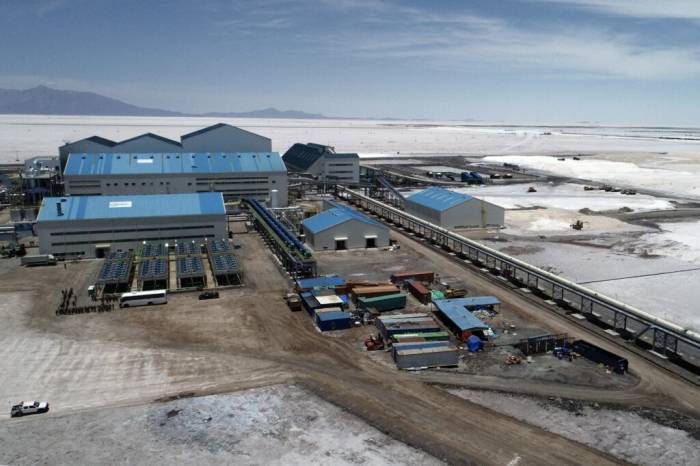
Bolivia has been dreaming of becoming a major player in the global lithium market for years, thanks to its vast reserves of this valuable resource. Lithium, essential for electric vehicle batteries and energy storage, is at the heart of the world’s shift to cleaner energy. Recently, Bolivia took a significant step by partnering with Russia's Uranium One Group, part of the Rosatom state corporation, in a nearly billion-dollar deal to build a lithium carbonate plant in the famous Uyuni salt flats. This ambitious project aims to use cutting-edge Russian Direct Lithium Extraction (DLE) technology, which could potentially revolutionize lithium extraction.
Bolivia's political situation also complicates things. The country has been struggling with political divisions and instability for years, which makes executing large projects a real challenge. With elections on the horizon in 2025, there's a risk that the process could slow down or become mired in controversy over the transparency of such deals. Moreover, navigating Bolivia’s complex bureaucracy and meeting its strict environmental regulations will be no small feat for the companies involved. These roadblocks could significantly delay the project’s timeline.
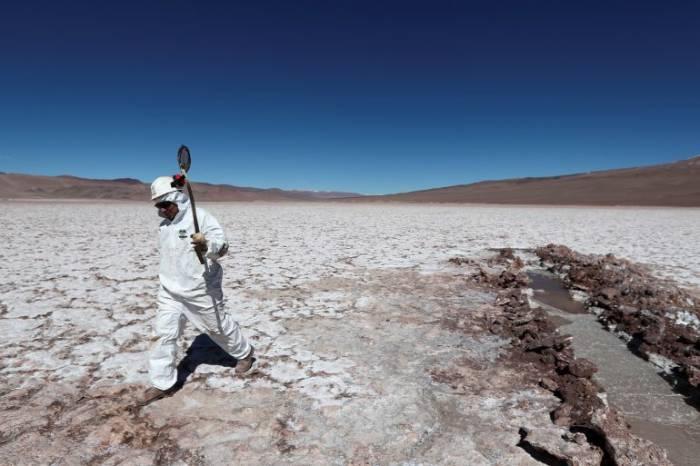
Environmental concerns are another major issue. Bolivia is known for its rich and fragile ecosystems, and any large industrial project risks disturbing this delicate balance. Even though DLE is marketed as a cleaner alternative, calling the project “green” would be an overstatement. Large-scale mining operations always spark concerns about environmental impact, and it’s likely that protests from both local communities and international environmental groups will follow. The project will also need to manage its water usage carefully, especially in a dry area like Uyuni.
If successful, Bolivia’s project could shake up the global lithium market. The demand for lithium, especially in electric vehicle batteries, is skyrocketing, and Bolivia could play a big role in meeting this demand. But it’s important to remember that Bolivia isn’t the only country eyeing this lucrative market. China, Australia, and Argentina are all ramping up their own lithium projects, and competition is fierce. For Bolivia, the challenges go beyond just technology; the country will need to tackle issues with infrastructure, logistics, and political stability if it wants to succeed on the world stage.
In the end, Bolivia’s partnership with Uranium One could be a big step forward in realizing its lithium ambitions, but the road ahead is full of challenges. Political instability, environmental risks, and stiff competition will ultimately decide whether Bolivia can become a global lithium leader or if its dreams remain just that—dreams.


Similar news