Selçuk Çolakoğlu: Ankara and Beijing can develop joint projects in Central Asia - INTERVIEW


In an exclusive interview with News.Az, Prof. Dr. Selçuk Çolakoğlu, Founding Director of the Turkish Center for Asia Pacific Studies, shared his insights on the evolving relationship between Türkiye and China. He discussed the key milestones in bilateral cooperation, the impact of the Belt and Road Initiative, and the broader geopolitical implications of Türkiye-China engagement in Eurasia. Prof. Çolakoğlu also analyzed the challenges facing this partnership, including geopolitical tensions between China and the West, as well as the economic and security dynamics shaping Türkiye’s role in the region. Looking ahead, he emphasized the potential for deeper collaboration in global governance, infrastructure development, and economic connectivity.
- What inspired you to write the book “Türkiye and China in the Eurasian Landmass: From Bilateral Relations to the Silk Road Cooperation"?
Source: Perconcordiam
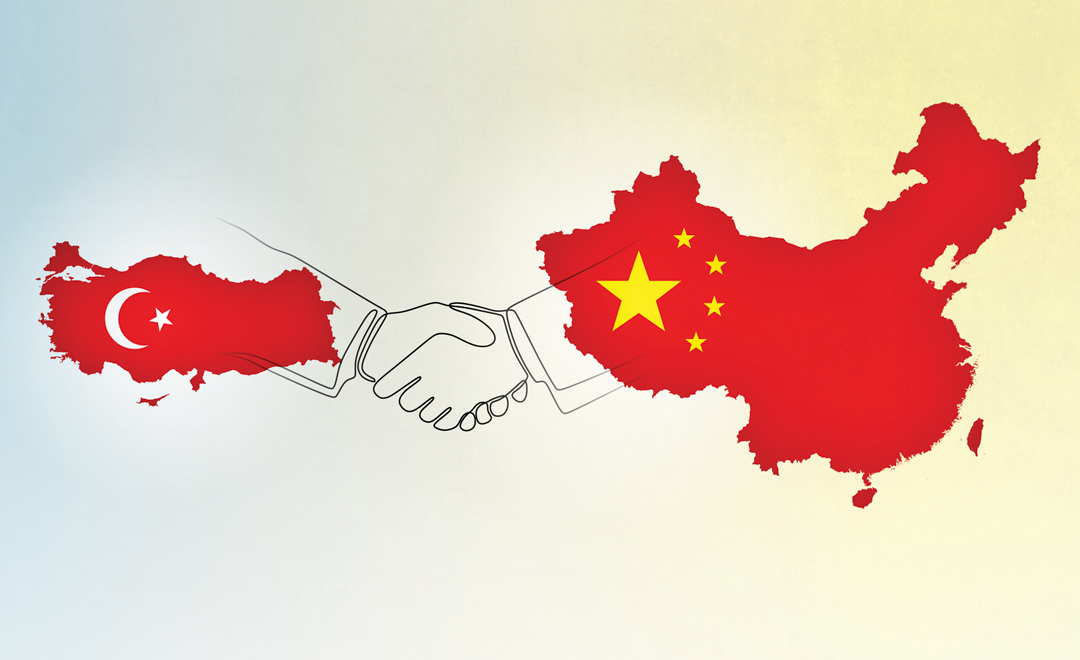
- Firstly, I would like to mention a book chapter I authored: S. Çolakoğlu, “Türkiye and China in the Eurasian Landmass: From Bilateral Relations to the Silk Road Cooperation”, published in the Routledge Handbook of Chinese and Eurasian International Relations, edited by Mher Sahakyan (London: Routledge, 2024, pp. 123-137. DOI: 10.4324/9781003439110-11). Prior to this, I wrote a book on Türkiye-China relations titled Türkiye and China: Political, Economic, and Strategic Aspects of the Relationship (London: World Scientific, 2021), which can be accessed here: https://doi.org/10.1142/q0280.
The rise of China has increasingly attracted the attention of international readers. The relationship between Türkiye and China, a relatively underexplored topic, presents an intriguing dynamic between an emerging middle power and a rising superpower.
- How would you characterize the current state of Türkiye-China relations? Can we speak of a qualitative growth in bilateral cooperation over the past ten years?
Source: CGTN
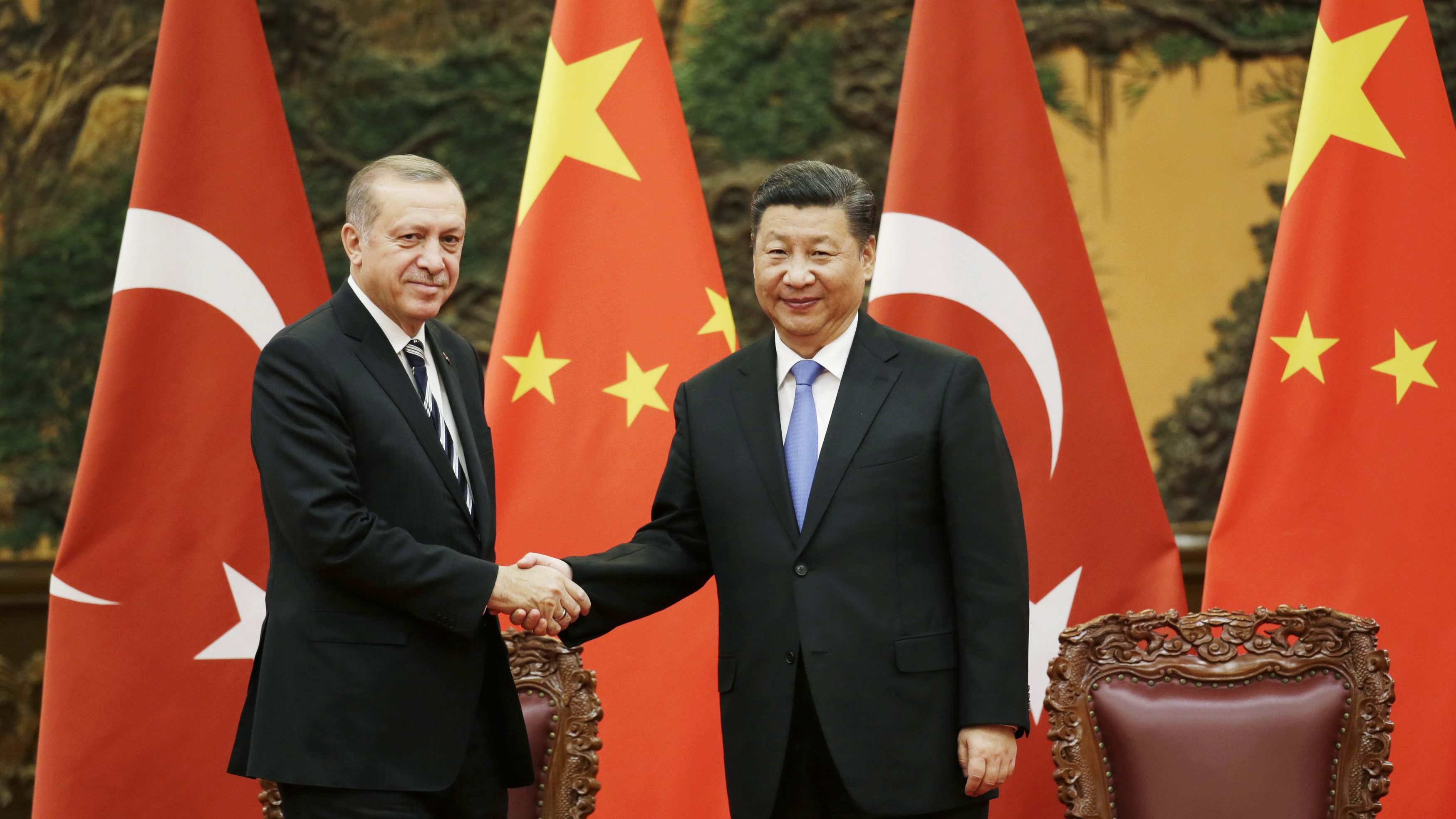
- The economic potential of Sino-Turkish relations is immense. In the aftermath of the 2008 Global Financial Crisis, China became Türkiye's third-largest trade partner, following Germany and Russia. Over the past decade, financial flows and foreign direct investment from China to Türkiye have increased. Additionally, Ankara and Beijing are eager to cooperate on global governance issues and international security initiatives, including the Russia-Ukraine war and conflicts in the Middle East.
- What are the main milestones in Türkiye-China relations that you highlight in your research?
- Ankara's decision to participate in the Belt and Road Initiative, launched by Beijing in 2013, marks a significant milestone in strengthening bilateral relations.
- How have initiatives within the framework of the Belt and Road Initiative influenced the development of relations between Ankara and Beijing?
-Türkiye has its own Silk Road initiative, known as the Middle Corridor, which provides an opportunity for Türkiye and China to collaborate on Silk Road projects aimed at enhancing connectivity across Eurasia. Furthermore, there are additional opportunities for the two countries to establish joint ventures in Central Asia, the South Caucasus, the wider Black Sea region, and the Eastern Mediterranean.
Following the outbreak of the war in Ukraine and the subsequent Western sanctions against Russia, China has prioritized the development of an alternative overland Silk Road route from China to Europe. In this context, enhancing connectivity between the Belt and Road Initiative and the Middle Corridor has become crucial for developing integrated transportation networks across Eurasia.
-What, in your opinion, are the main challenges in Türkiye-China cooperation?
Source: Avim
- As a NATO member and part of the European Union's customs union, Türkiye has strong security and economic ties with Western countries. Consequently, escalating tensions between Beijing and Washington could impact Sino-Turkish relations. A notable example is the cancellation of Türkiye's air defense deal with China in 2015 due to NATO pressure.
Economically, Türkiye's trade policies are largely influenced by the EU. Therefore, a potential trade war between China and the EU could significantly affect Sino-Turkish economic relations.
-Your book examines not only bilateral relations but also their impact on the Eurasian region. What role do Türkiye and China play in this context?
- Both China and Türkiye maintain substantial economic ties with Eurasian countries and aim to further strengthen these partnerships. In the wake of the Russia-Ukraine war, both Ankara and Beijing advocate for a more peaceful and stable Eurasia.
They are hopeful that constructive diplomacy can help resolve the conflict and have made several attempts to serve as mediators or facilitators between Russia and Ukraine. Similarly, Ankara and Beijing encourage Eurasian countries to enhance their security cooperation.
-What is Türkiye’s position on the potential expansion of Chinese influence in Central Asia? To what extent does this align with Ankara’s interests?
Source: Newagebd
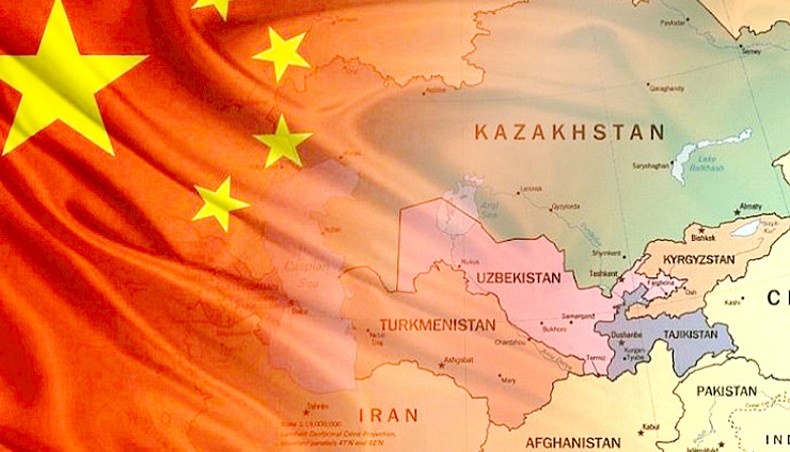
- China, which shares borders with Kazakhstan, Kyrgyzstan, and Tajikistan and has a more competitive economy than Türkiye, naturally holds certain advantages in fostering deeper economic partnerships with Central Asian countries. However, Türkiye, often seen as a gateway to Central Asia, maintains strong historical and cultural ties with the region. Turkish companies have developed deep collaborations and investments in various sectors.
If Ankara and Beijing can enhance coordination, they could potentially develop joint ventures for investment in Central Asia.
-Is there competition between Türkiye and China in Eurasia, particularly in regions such as Central Asia and the Caucasus?
- Despite competition between Turkish and Chinese companies in Central Asian and Caucasian markets, there is also potential for cooperation. Ankara and Beijing could establish joint ventures to develop infrastructure projects aimed at increasing regional connectivity. This aligns with the broader Silk Road cooperation, which remains a priority for both countries.
-What role can the US and the EU play in shaping Türkiye-China relations? Do they influence the development of bilateral cooperation?
Source: udtsb
- If relations between China and the U.S., as well as between China and the EU, remain cooperative, such dynamics could encourage Türkiye to strengthen its ties with China. Conversely, if these relationships deteriorate, Türkiye may face political and economic pressure from Washington or Brussels to limit its engagement with Beijing.
Additionally, Ankara and Beijing could explore opportunities for cooperation in the Global South, where both have strategic interests.
-How do you assess the prospects for a strategic partnership between Türkiye and China over the next 10-15 years?
- I anticipate that the economic partnership between Türkiye and China will continue to deepen in the near future. Ankara has the potential to expand its collaboration with Beijing on global governance issues, including international security and active engagement in the Global South.


Similar news