Singapore and Australia: Ambitious project that will change the energy game


By Asif Aydinli
Australia's recent approval of a 20 billion Australian dollar (about 13.5 billion US dollar) solar energy project marks a bold step forward in the country’s renewable energy ambitions. This project, which involves constructing a massive solar farm in northern Australia and laying a 4,300-kilometer underwater cable to Singapore, could dramatically reshape Australia’s energy landscape and boost its role in the global push for green energy. But while the project opens up promising new avenues for Australia, it also presents significant environmental and economic challenges that will need to be carefully managed.Australia’s Environment Minister, Tanya Plibersek , emphasized the multifaceted impact of this project. It's not just about addressing the increasing demand for green energy within Australia and across the region; it’s also a critical move in Australia’s broader strategy to position itself as a leader in the renewable energy sector. As the world increasingly turns away from fossil fuels, projects like this one are key to Australia’s transition to a more sustainable energy mix. However, the project comes with stringent environmental requirements to ensure it doesn’t harm the country’s unique ecosystems. One of the major concerns is the protection of bilbies—small, rabbit-like marsupials that are an endangered species in Australia. This requirement highlights the delicate balance Australia must strike between advancing its green energy goals and preserving its natural heritage.
The SunCable project is slated to be rolled out in two phases, with the goal of delivering up to 6 GW of green energy to major industrial consumers in Darwin, the capital of the Northern Territory, and Singapore. According to the company’s timeline, a final investment decision is expected by 2027, with the first electricity deliveries anticipated in the early 2030s. This timeline is significant as it aligns with Australia's broader energy transition goals and the growing global demand for renewable energy. The project’s approval is a major win for the government, which is keen to accelerate the transition to renewable energy, particularly as it faces opposition from political rivals who advocate for nuclear power as a replacement for the country’s aging coal-fired power stations by 2050. The debate over nuclear energy remains contentious in Australia, where nuclear power is currently prohibited by law, making the push for renewable energy all the more critical.
Mike Cannon-Brookes, the billionaire behind SunCable, is a well-known advocate for environmental sustainability and has been instrumental in driving this project forward. He described the project’s approval as a "vote of confidence," not just in the viability of SunCable but in Australia’s broader renewable energy potential. Cannon-Brookes, who co-founded the tech company Atlassian, has leveraged his influence to draw significant international investment interest in the project. This underscores the growing recognition that Australia, with its vast natural resources and innovative potential, could play a pivotal role in the global renewable energy market.
Australia has long been a global leader in solar energy adoption. Over 3.7 million homes across the country are equipped with solar panels, the highest per capita rate in the world. However, the vast majority of these panels—around 99%—are imported, primarily from China. This heavy reliance on imports has exposed vulnerabilities in Australia’s renewable energy supply chain, particularly as geopolitical tensions and trade disruptions have the potential to impact access to these crucial technologies. Recognizing this, the Australian government has launched the Solar SunShot project, which was approved in July 2024. This initiative aims to significantly boost domestic solar panel production, reducing dependence on imports and creating a more resilient and self-sufficient energy infrastructure. The Solar SunShot project is a key component of Australia’s broader strategy to secure its place as a global leader in the renewable energy sector.
Prime Minister Anthony Albanese has championed the Solar SunShot project as a major economic and environmental initiative. The project is expected to create thousands of new jobs, particularly in manufacturing and construction, and provide a significant boost to small and medium-sized enterprises (SMEs) that are looking to transition to renewable energy or enter the market as producers of green technologies. The program is set to receive 275 million Australian dollars in government funding, which will help kickstart the domestic renewable energy market and position Australia as a key exporter of green energy technologies. By bolstering local production of solar panels and other renewable energy technologies, Australia aims not only to meet its domestic energy needs but also to become a major player in the global market for renewable energy solutions.
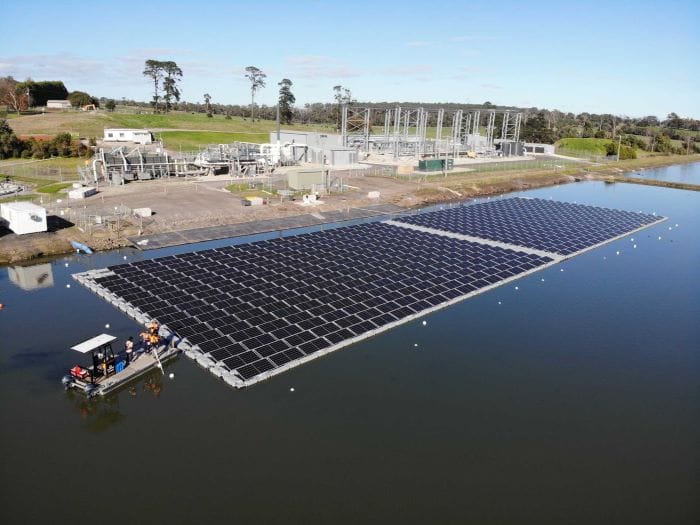 Australia has set an ambitious goal of generating 82% of its electricity from renewable sources by 2030. This target reflects the country’s commitment to reducing its carbon footprint and mitigating the impacts of climate change. In 2023, around 30% of Australia’s electricity was generated from renewable sources, including solar, hydro, and wind power, while nearly 60% came from coal-fired power stations. The reliance on coal remains a significant challenge, particularly as the country works to phase out these plants in favor of cleaner, more sustainable energy sources. The successful implementation of projects like SunCable and Solar SunShot is crucial to achieving this transition, but it will require careful planning, substantial investment, and ongoing support from both the public and private sectors.
The approval of the SunCable project and the government’s efforts to ramp up local solar panel production highlight the critical role that renewable energy will play in Australia’s future. If all goes according to plan, Australia could become a global leader in the transition to green technologies, setting an example for other nations to follow. However, this transition will not be without its challenges. Australia will need to navigate a complex landscape of social, environmental, and economic factors to ensure that its renewable energy projects are not only successful but also sustainable in the long term. Balancing these interests will be key to securing Australia’s energy future and positioning the country as a leader in the global fight against climate change.


Similar news