Syria in the context of the New Middle East


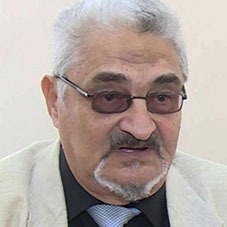
Editor's note: Moses Becker is a special commentator on political issues for News.Az, a PhD in political science and an expert on interethnic and interreligious relations. The article expresses the personal opinion of the author and may not coincide with the view of News.Az.
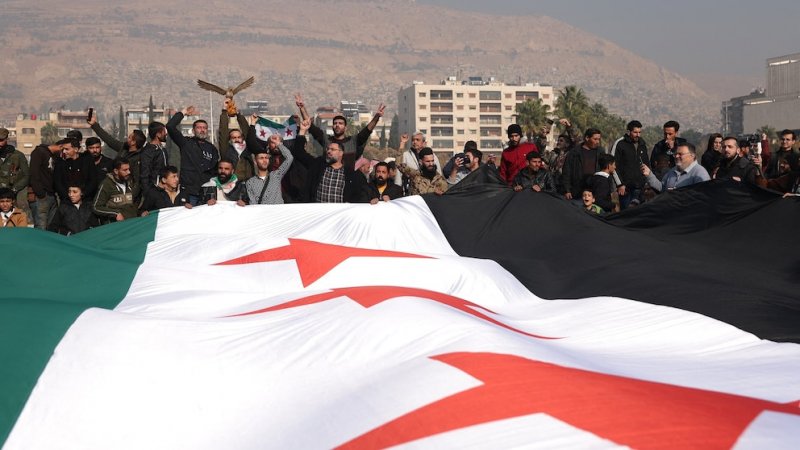
The overthrow of President Bashar al-Assad has fundamentally altered the landscape not only within Syria but across the entire Middle East. A fractured nation, stripped of a unified military, significant resources, and with virtually no infrastructure, has become a battleground for influence among various external powers. Given Syria's diverse confessional and ethnic composition, exploiting internal divisions for strategic gain has been all too easy. While Iran has relied on the support of Shiites and Alawites and Türkiye on the Sunnis, other players have found allies in the Druze and Kurds.
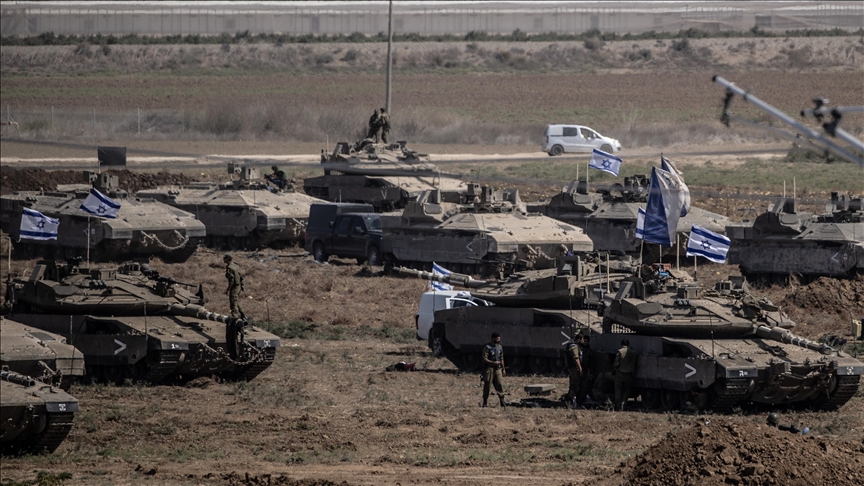
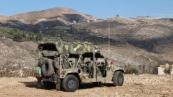
Source: Jerusalem Post
In the early hours of February 26, the Israel Defense Forces (IDF) launched intensive airstrikes targeting southern Syria and the capital region. These actions marked the first steps in a new policy that the Israeli government has declared toward its northern neighbor. Prime Minister Benjamin Netanyahu stated that the transitional government in Damascus must ensure the “complete demilitarization” of the southern provinces and provide security guarantees to the local Druze population. Consequently, the expulsion of Iran and Hezbollah from Syria has objectively bolstered the positions of Türkiye and Israel.
According to Israeli leaders, a Druze-Kurdish autonomy might emerge in southern Syria, independent of the current regime—an idea reminiscent of the vision of David Ben-Gurion, Israel's first Prime Minister. If such a plan materializes, it could lead to a direct border between Israel and Türkiye, a prospect that Ankara is unlikely to welcome. Analysts have pointed out that as early as a year ago, media outlets began discussing the hypothetical “David's Corridor” plan, which entails linking the Israeli-controlled Golan Heights with the city of As-Suwayda and the American base at Al-Tanf. There is also speculation that the Kurdish-led Syrian Democratic Forces (SDF) might join this alliance. If this scenario unfolds—a real possibility—Syria could lose its border with Iraq.
Netanyahu outlined this new approach in a speech to graduates of IDF officer courses, declaring, “We will not allow the forces of Hayat Tahrir al-Sham or the new Syrian army to enter territories south of Damascus. We demand the complete demilitarization of southern Syria, including the provinces of Quneitra, Daraa, and As-Suwayda.” The Prime Minister also emphasized Israel's commitment to protecting the Syrian and Lebanese Druze communities, whose relatives reside in Israel.

Source:Israel National News
According to the Turkish newspaper Türkiye, the transitional administration in Damascus has already reached out to Ankara with a request to open channels for military-technical assistance. The Syrian authorities are reportedly seeking combat drones, radar systems, electronic warfare capabilities, and air defense systems from Türkiye. Additionally, Ankara and Damascus are discussing the possibility of establishing permanent Turkish military bases in Syria, housing Ankara's strike fighter units. This prospect is alarming not only for Israel but also for Saudi Arabia, the UAE, and other neighboring states, none of whom wish to see a successor to the Ottoman Empire replace Iran as the regional hegemon.
Syria, indeed, remains a tangled web of contradictions, where it is unlikely that any external power can establish lasting control. The southern regions of the country are now experiencing renewed separatist tendencies that first emerged during Bashar al-Assad's reign. A group of former Druze field commanders has announced the formation of the Suwayda Military Council, tasked with ensuring security in the region. The Council has expressed its willingness to integrate into a new Syrian army but insists on the principles of secularism and decentralization as foundational. Moreover, the Council has shown a keen interest in establishing ties with Kurdish factions operating in northeastern Syria. Their ideological affinity is evidenced by the use of Kurdish symbols on Druze flags, a development that has alarmed pro-Turkish forces.
The tense situation in Syria's ethnically and religiously diverse areas will undoubtedly play a pivotal role in determining the country's future. The contours of a potential fragmentation of what was once a unified state are becoming increasingly apparent—borders drawn by British and French colonizers under the 1916 Sykes-Picot Agreement, which divided the still-living Ottoman Empire. The emerging alliance between Israel, the Kurds, and the Druze is unfolding with tacit approval from the United States, which views Türkiye's new regional role with disfavor.
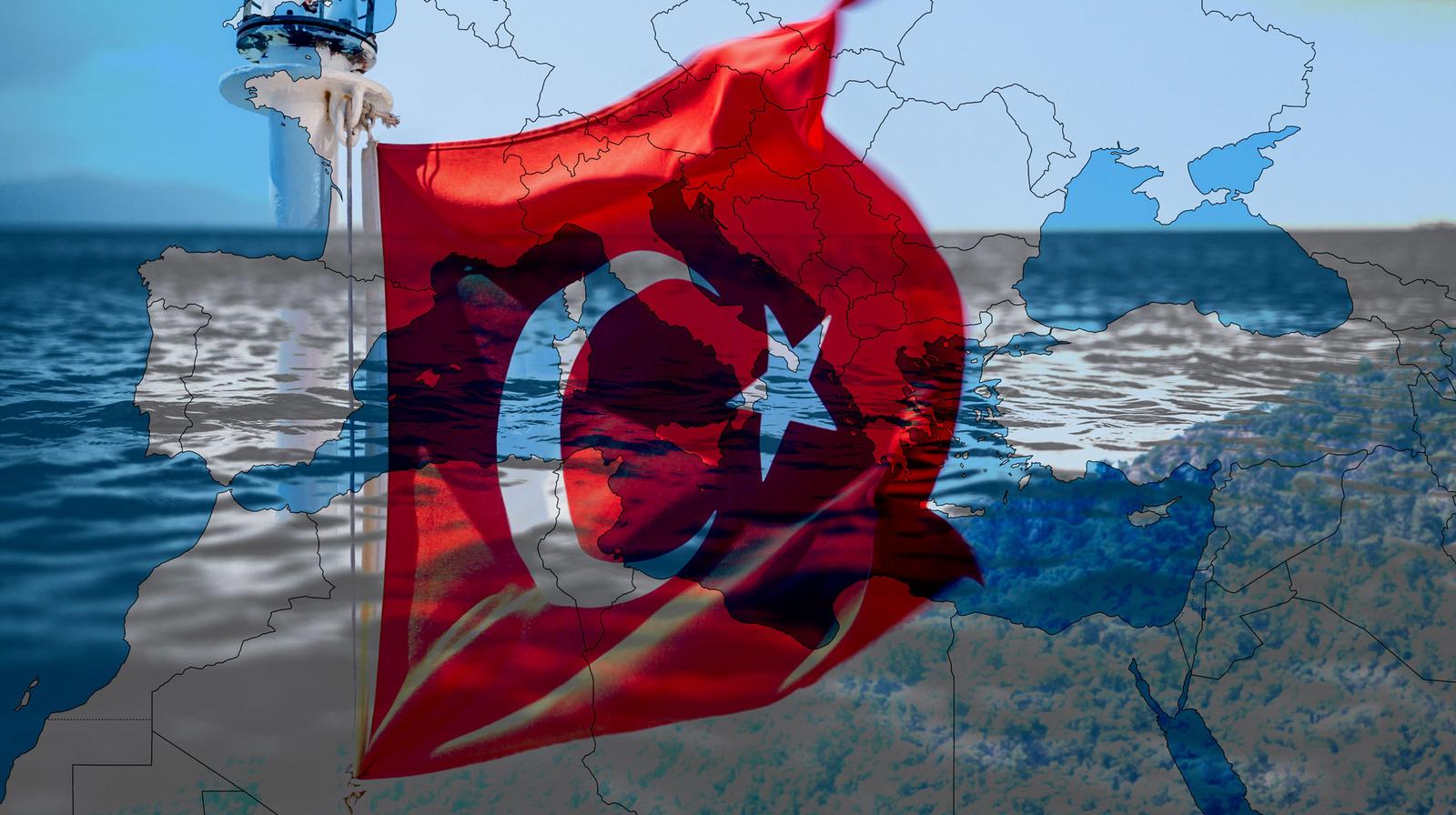
Source: Anadolu
According to various sources, the IDF has conducted a census in the villages of the Quneitra province in southern Syria and has offered local residents the opportunity to work in Israel, with salaries significantly higher than those available in Syria. The proposed arrangement would allow the villagers to enter Israel for work in the morning and return home in the evening. In addition to this economic incentive, humanitarian aid—including food and medicine—along with medical centers and field hospitals, is to be provided.
Israeli Defense Minister Israel Katz reiterated Prime Minister Netanyahu’s demand for the demilitarization of southern Syria, warning, “We will not allow a renewed threat to emerge from southern Syria.” Meanwhile, the fragile ceasefire agreement in the Gaza Strip is under threat. Minister Katz claimed that “we have received information that Hamas is plotting attacks against IDF soldiers and Israeli settlements.” In response, Hamas leaders dismissed these allegations as baseless. Regardless, Israel seems determined to retain control over the Philadelphi Route along the Gaza-Egypt border, to dismantle Hamas's military and civilian infrastructure, and to end the group's dominance in the enclave.
There is a growing national consensus in Israel on the need to ensure the country's security indefinitely. The Israeli leadership appears committed to advancing U.S. President Donald Trump's plan for the reconstruction and reorganization of the Gaza Strip.
(If you possess specialized knowledge and wish to contribute, please reach out to us at opinions@news.az).


Similar news