Tashkent and Moscow join forces to create drones


Russia and Uzbekistan are showing strong economic ties and a desire to strengthen cooperation, but behind the big projects and bold promises lie significant challenges. The recent high-level meeting in Tashkent, between the heads of government from both countries, highlighted their ambitious goals: boosting trade to $30 billion by 2030 and enhancing industrial cooperation . But when you dig a little deeper, it's clear that these goals are far from guaranteed in today’s geopolitical climate.
The idea of tripling trade turnover in just seven years sounds impressive. In 2023, mutual trade only reached $10 billion, which is a solid figure, but still far short of the $30 billion target. While trade grew by 5.4% compared to last year, keeping up that kind of pace will be tough, especially considering the sanctions on Russia and the general instability of the global economy. Russian Economic Development Minister Maxim Reshetnikov claims that an annual growth rate of 17% is needed, with Russian exports having to triple. But let’s be honest: with sanctions, disrupted supply chains, and international market uncertainty, these forecasts seem more like wishful thinking.
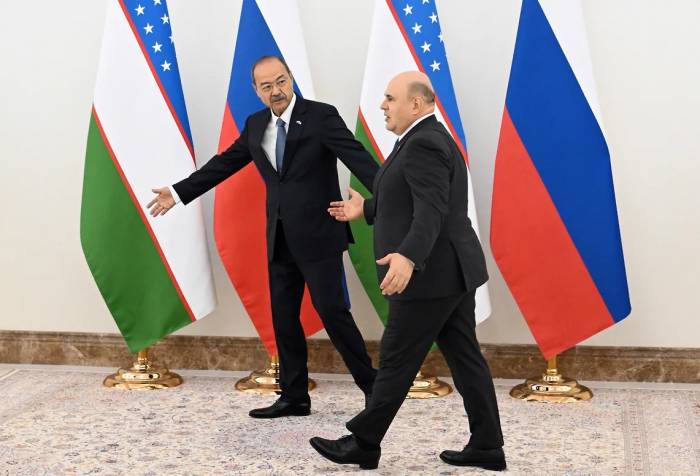
Uzbekistan, aiming to boost its own economic clout, sees Russia as a crucial partner, especially with China as a growing competitor. For Russia, Uzbekistan is becoming increasingly important as a southern partner, with traditional markets in the West closed off and relations with China requiring careful balancing. In the first seven months of 2023, trade between the two countries grew by 29.1%, an impressive feat. But the question remains: can they maintain this momentum?
One of the major talking points is the “Agroexpress” project, which aims to increase agricultural exports to 1 million tons. It sounds great on paper, but with sanctions, logistical hurdles, and rising transport costs, this project might face some serious roadblocks. While the idea is attractive, putting it into action will require a lot of work and resources.
Russia has already invested $13.5 billion in Uzbekistan’s economy, with cooperation spanning light industry, chemicals, metallurgy, and pharmaceuticals. However, there are concerns about how beneficial this is for Uzbekistan, especially when it comes to energy cooperation with Russia. With Russian gas and oil flowing into Uzbekistan, there’s a growing worry that the country could become too dependent on Moscow, raising questions about whether this is truly a win-win situation for the long haul.
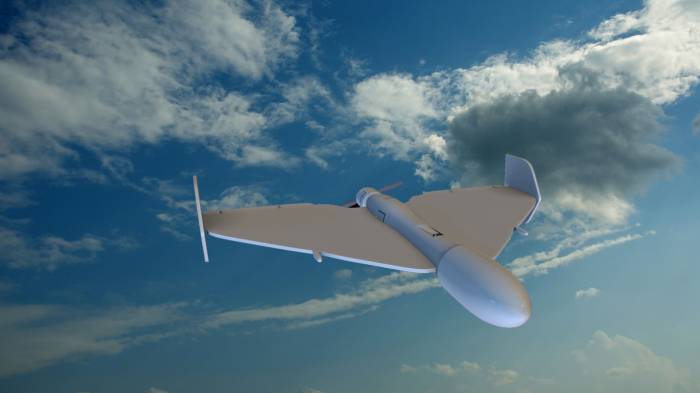
Another major plan is to set up a production facility for unmanned aerial systems in Uzbekistan. While this sounds like a step toward modernization, the reality is that global giants like the U.S. and China already dominate this space. Uzbekistan risks being more of a spectator than a key player in this high-tech race. The same goes for the plans in railway engineering, where it feels like another attempt to introduce cutting-edge technology into a market that might not be quite ready for it.
In the end, while the ambitions and plans between Russia and Uzbekistan are certainly big, there are still plenty of unanswered questions about how these two countries will tackle the challenges that lie ahead.
The idea of tripling trade turnover in just seven years sounds impressive. In 2023, mutual trade only reached $10 billion, which is a solid figure, but still far short of the $30 billion target. While trade grew by 5.4% compared to last year, keeping up that kind of pace will be tough, especially considering the sanctions on Russia and the general instability of the global economy. Russian Economic Development Minister Maxim Reshetnikov claims that an annual growth rate of 17% is needed, with Russian exports having to triple. But let’s be honest: with sanctions, disrupted supply chains, and international market uncertainty, these forecasts seem more like wishful thinking.
Uzbekistan, aiming to boost its own economic clout, sees Russia as a crucial partner, especially with China as a growing competitor. For Russia, Uzbekistan is becoming increasingly important as a southern partner, with traditional markets in the West closed off and relations with China requiring careful balancing. In the first seven months of 2023, trade between the two countries grew by 29.1%, an impressive feat. But the question remains: can they maintain this momentum?
One of the major talking points is the “Agroexpress” project, which aims to increase agricultural exports to 1 million tons. It sounds great on paper, but with sanctions, logistical hurdles, and rising transport costs, this project might face some serious roadblocks. While the idea is attractive, putting it into action will require a lot of work and resources.
Russia has already invested $13.5 billion in Uzbekistan’s economy, with cooperation spanning light industry, chemicals, metallurgy, and pharmaceuticals. However, there are concerns about how beneficial this is for Uzbekistan, especially when it comes to energy cooperation with Russia. With Russian gas and oil flowing into Uzbekistan, there’s a growing worry that the country could become too dependent on Moscow, raising questions about whether this is truly a win-win situation for the long haul.
Another major plan is to set up a production facility for unmanned aerial systems in Uzbekistan. While this sounds like a step toward modernization, the reality is that global giants like the U.S. and China already dominate this space. Uzbekistan risks being more of a spectator than a key player in this high-tech race. The same goes for the plans in railway engineering, where it feels like another attempt to introduce cutting-edge technology into a market that might not be quite ready for it.
In the end, while the ambitions and plans between Russia and Uzbekistan are certainly big, there are still plenty of unanswered questions about how these two countries will tackle the challenges that lie ahead.


Similar news