Trump the ‘guardian angel’: When self-interest leads the way


Editor's note: Aysel Mammadzada is an Azerbaijan-based journalist. The article expresses the author's personal opinion and may not coincide with the view of News.Az.
Where there is war, the true winners are always the same: the arms and healthcare industries. No one pretends war is fair. But when someone claims to be a champion of peace while denying any vested interest, it's time to step back, connect the dots, and see the bigger picture. Only then can we begin to understand Donald Trump’s true intentions.
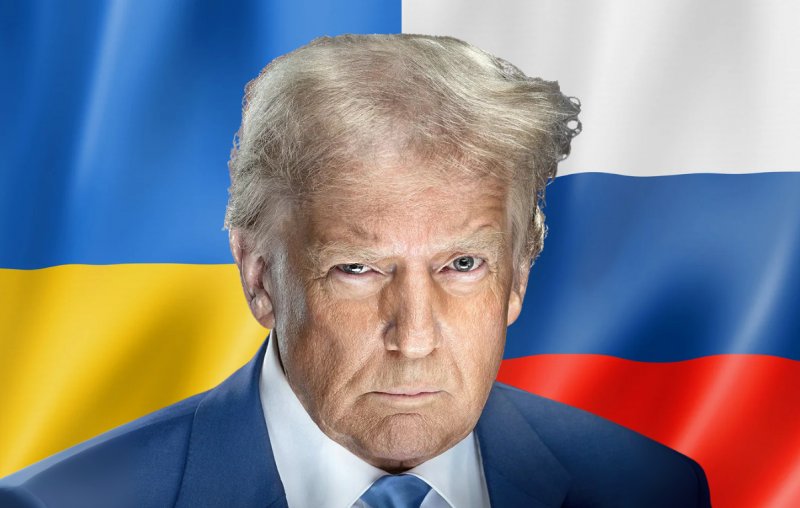
The summer of 2025 marks a turning point in global politics—a time of shifting power dynamics, clashing interests, and strained alliances. At the center of this transformation stands U.S. President Donald Trump, whose announcements of new arms support for Ukraine and threats of economic sanctions against Russia have once again captured the world’s attention ahead of the U.S. presidential elections.
On the surface, these moves suggest a renewed American commitment to supporting Ukraine against Russian aggression. But look more closely, and a far more calculated strategy emerges. Why would a president known for isolationist rhetoric and transactional diplomacy initially withhold arms from Ukraine—only to later enable their delivery through European allies?
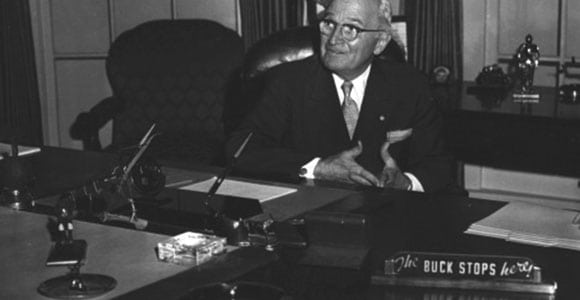
The iconic phrase “The buck stops here,” which sat proudly on President Harry S. Truman’s desk, embodied his commitment to accountability. That ethic is notably absent from Trump’s approach to leadership.
Throughout his presidency, Trump has been quick to claim credit for political wins—from NATO defense spending increases to diplomatic openings in the Middle East—even when such progress began under previous administrations. But when policy missteps occur or decisions backfire, Trump is just as quick to distance himself, often blaming subordinates or citing misinformation.
On July 1, the White House confirmed a freeze on certain weapons shipments to Ukraine, including air defense systems and precision-guided munitions. The Department of Defense framed the decision as a review of U.S. military aid priorities—part of a broader “America First” reassessment of global commitments.
Yet by the next day, Pentagon and State Department officials were evasive, offering vague explanations and refusing to clarify whether the freeze amounted to a full suspension.
Trump only added to the confusion during a July 3 press interaction. “We’re giving weapons… we’ve given so many,” he said, dismissing reports of a pause. He expressed frustration with the Ukraine war but stopped short of acknowledging any aid disruption.
Tensions spiked on July 4, when Russia launched a massive overnight attack on Ukraine—over 500 drones and missiles, according to Ukrainian President Volodymyr Zelenskyy. Later that day, Trump held a phone call with Zelenskyy, who afterward offered a positive public summary. According to The Wall Street Journal, Trump told Zelenskyy he had not personally ordered the suspension of arms deliveries and cited a stockpile review following U.S. strikes on Iranian nuclear sites as the source of the delay.
This episode raises pressing questions about coordination within the U.S. government—and about who is truly calling the shots in moments of crisis.
Rather than take responsibility, Trump continues to deflect blame. The pattern is familiar: he casts himself as misled or out of the loop, reinforcing a narrative of a leader unburdened by error. It’s a stark contrast to Truman’s principle of leadership by accountability.
Initially, U.S. hesitation to arm Ukraine directly was rooted in four core concerns: avoiding escalation with Russia, preserving fragile diplomatic channels, navigating domestic political divides—particularly among Republicans wary of foreign entanglements—and dealing with logistical strain on the U.S. defense industry. Stockpile limitations and stretched production capacity meant any support had to be carefully paced.
But as the war dragged on and pressure from allies intensified, the U.S. changed course. Rather than shipping weapons directly, Washington pivoted to a model that channels U.S.-made arms to Ukraine through European partners.
This strategy, at first glance a show of international cooperation, is in fact emblematic of Trump’s transactional worldview.
It achieves several aims. It shifts financial responsibility onto European allies—letting Trump portray himself as a protector of U.S. taxpayers during an election year. It keeps the American defense industry humming, awarding lucrative contracts to weapons manufacturers without direct political exposure. And it allows Trump to strike a posture of bold leadership on the global stage—delivering stern ultimatums to Russia without taking full ownership of the consequences.
Trump’s 50-day deadline for Russia to pursue peace, accompanied by threats of severe sanctions, plays well in the media. But is it genuine diplomacy—or electoral theater?
Let’s be honest: Trump’s decisions are not driven by humanitarian concern for Ukrainians. They are shaped by optics, economic gain, and political strategy. He is less a “guardian angel” and more a tactical operator, playing geopolitical chess where lives and alliances are the pieces.
Even his most dramatic threats to Moscow ring hollow. Sanctions are nothing new, but the countdown clock and dramatic delivery suggest more of a campaign stunt than a serious policy effort. Trump isn’t trying to end the war—he’s leveraging it to craft a narrative: Trump the protector, tough on enemies, thrifty at home.
And what about America’s allies? While some in Europe may see this arrangement as a necessary burden-sharing exercise, resentment is simmering beneath the surface. Trump’s nationalist rhetoric and one-sided demands are weakening the very alliances that once underpinned Western unity.
At its core, Trump’s Ukraine policy isn’t about defending democracy or deterring autocracy. It’s about serving domestic political goals under the banner of global leadership. Each move is calculated to bolster his image, secure votes, and dominate headlines.
But this strategy has a cost—one that may soon be borne by Ukraine, by Europe, and by American global credibility.
Because in the end, true leadership isn’t about self-interest cloaked in patriotism. It’s about principles that extend beyond personal ambition. And Trump, for all his showmanship, has made one thing abundantly clear: his only guiding principle is himself.
(If you possess specialized knowledge and wish to contribute, please reach out to us at opinions@news.az).


Similar news