Trump’s second term: A hundred days of thunder without rain


.png)

As April draws to a close—on the 30th, to be exact—the first 100 days of Donald Trump’s second presidential term come to an end. These opening months have been filled with bold proclamations, sharp warnings, and uncompromising demands. Yet, amid all the noise, one thing remains conspicuously absent: results. And none, it seems, are on the horizon.
A glance at the domestic scene reveals a familiar landscape of gridlock and resistance. Court after court has moved to block White House initiatives, while the persistent specters of illegal immigration and narcotics trafficking continue to challenge the administration’s agenda. To be fair, such deeply rooted issues are not easily uprooted in just a few months.
On the economic front, the administration sought bold action, hiking tariffs to rebalance trade and strengthen domestic industry. Though theoretically sound, the policy has produced a bitter side effect: rising prices at home. Consumer frustration has already forced the White House to pause the rollout. Nevertheless, the course has been set, and Washington remains committed—albeit with modifications—to seeing it through.
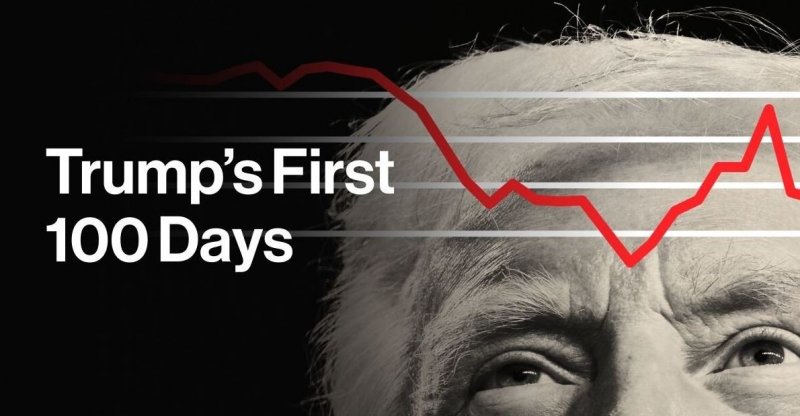
Source: France 24
For a populace accustomed to the comforts of consumerism, the economic jolt came as an unpleasant surprise. Unsurprisingly, public support has waned. A Reuters/Ipsos poll places Trump’s approval rating at just 43%—a record low since his inauguration on January 20, 2025. And the decline is unlikely to stop there. With inflation intensifying and fears of recession growing, many Americans are beginning to feel that this presidency is not what they were promised.
Abroad, victories remain elusive. There has been no movement in the deadlocked war between Ukraine and Russia. Talks with Iran remain frozen, while tensions in the Middle East and rivalry with China continue to simmer, unresolved.
The war in Ukraine shows no signs of ending. Neither side appears willing to soften its demands; instead, their positions have hardened. While Moscow and Kyiv speak the language of diplomacy, the battlefield tells a different story—one of intensifying combat, with missile and drone strikes exacting an ever-growing toll on civilians.
A recent retaliatory strike on the city of Sumy—strikingly timed with a visit by Trump’s special envoy to Moscow—underscored Russia’s unwillingness to compromise. The Kremlin has issued veiled threats: if the United States fails to pressure Kyiv into accepting territorial losses, Russia may expand its claims beyond the four regions it already holds.

Source: BBC
In St. Petersburg, Trump’s envoy Steve Witkoff declared that peace could be swiftly achieved—if Ukraine surrendered the four contested regions (in their full administrative borders) and recognized them under international law. Russian officials welcomed the proposal as a favorable outcome but warned that should Kyiv refuse, their forces will advance again.
But not all in Washington agree. Keith Kellogg, Trump’s other envoy to the conflict, has floated a different proposal—one that envisions dividing Ukraine into zones of influence, echoing the post–World War II division of Germany. Such a plan could split the country into two, possibly three, parts. Kellogg ruled out U.S. military involvement and pointed instead to European participation—an idea the Kremlin has summarily rejected.
This dual-track diplomacy is a hallmark of American statecraft: present competing visions and hope one proves acceptable. Trump, as ever, remains above the fray—watching, waiting, and weighing options as his envoys buy time.

Source: Reuters
In Gaza, war continues to rage, yet the White House has remained conspicuously silent. As the humanitarian crisis worsens, official statements have vanished. Behind the scenes, however, whispers persist. Sources suggest the U.S. may soon pressure Israel to accept a renewed ceasefire deal. If reports from Al Arabiya are accurate, a breakthrough—encompassing both ceasefire and prisoner exchange—may be on the horizon.
Tehran, meanwhile, is in no hurry. Though it has expressed vague willingness to return to uranium enrichment limits, it demands nearly complete sanctions relief in return. Furthermore, Iran insists that its support for regional proxies remain untouched. In short, it seems intent on dragging out talks, perhaps betting that Trump’s second term will be short-lived.
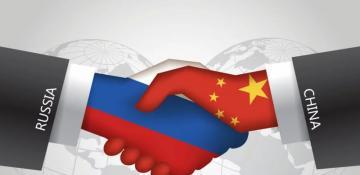
Tensions with Beijing are no clearer. Trump’s tariff threats, far from bending China’s will, have contributed to a domestic slowdown. Recognizing the misstep, the administration has quietly rolled back tariffs on nearly a quarter of Chinese imports. But Beijing is not backing down—it has retaliated with its own measures and is deepening economic ties with a Europe increasingly adrift, staking its claim in future markets.

Source: Reuters
Yet amid the haze, there are faint glimmers of progress. In the Middle East, Iranian proxy forces appear to be retreating. Hezbollah, under quiet U.S. pressure, has begun a significant withdrawal from southern Lebanon. Over 190 of 265 positions south of the Litani River have been handed over to the Lebanese army—a gesture toward stability and a step toward implementing last year’s fragile ceasefire.
In Yemen, Trump has also acted with clarity. Targeted missile strikes have inflicted effective damage on Houthi forces—long a threat to both the U.S. and Israel. For now, these efforts stand among the administration’s clearest successes.
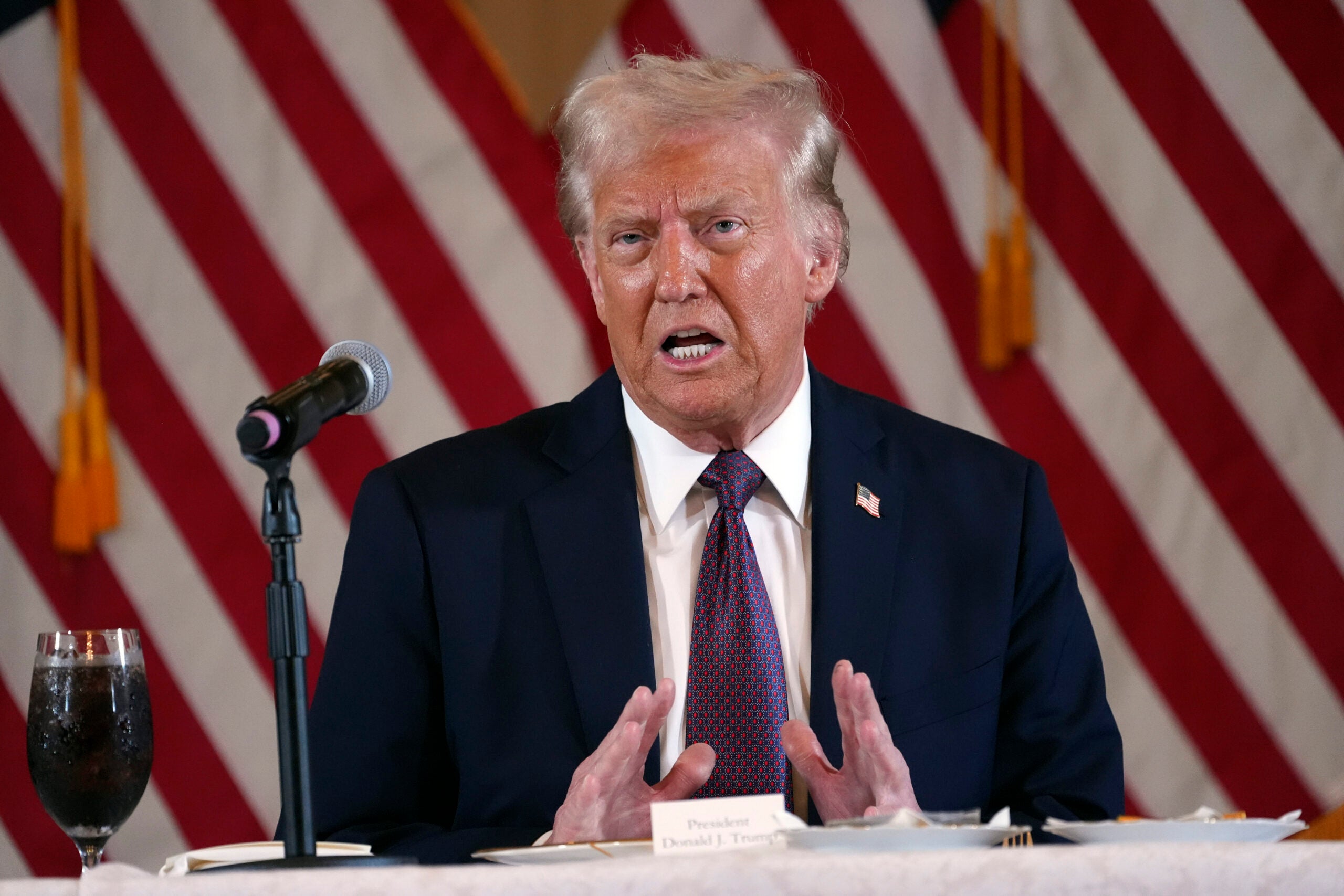
Source: Reuters
And so, as the 100-day milestone approaches, Trump’s second term remains largely defined by thunder without rain. At home, resistance is entrenched and public patience wears thin. Abroad, diplomacy drifts and conflicts smolder. Many analysts predict the president may soon resort to more impulsive, even erratic, decisions in hopes of breaking the stalemate.
Whether this presidency finds its footing—or continues to flounder—may depend not only on strategic recalibrations and new appointments, but on Trump’s own capacity to adapt. Meanwhile, the world spins on, with the U.S.–China trade war evolving into something far deeper—a struggle not merely over tariffs, but over the architecture of the global order itself.


Similar news