US prepares a new strike on key areas of cooperation with China


By Samir Muradov
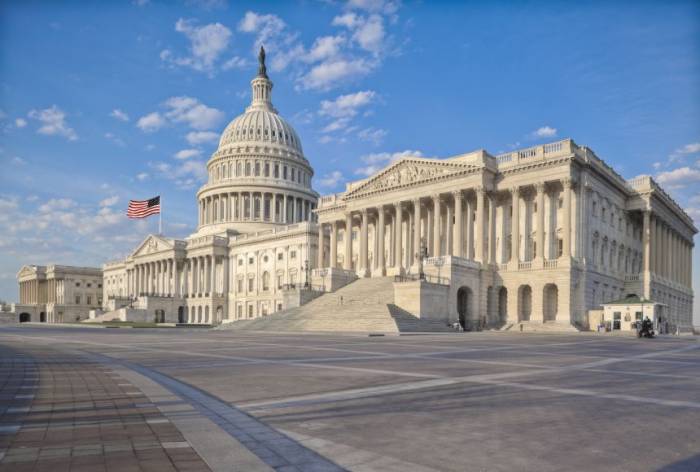
From September 9 to 15, the US Congress is set to review several bills targeting Chin a. These initiatives cover key areas like technology, science, and international relations, and they could significantly affect the relationship between the two countries. Let’s dive into these measures and see what’s really driving them.One of the main goals of the proposed bills is to limit China’s influence in critical industries. For example, one measure seeks to block tax credits for electric vehicles with Chinese-made battery components. Clearly, this move is aimed at weakening China’s growing electric vehicle industry, which has been making big waves globally. There are also restrictions targeting DJI Technologies, the world’s largest drone manufacturer. The message is clear: the US wants to slow down China’s technological rise, especially in sectors where China is already a leader.
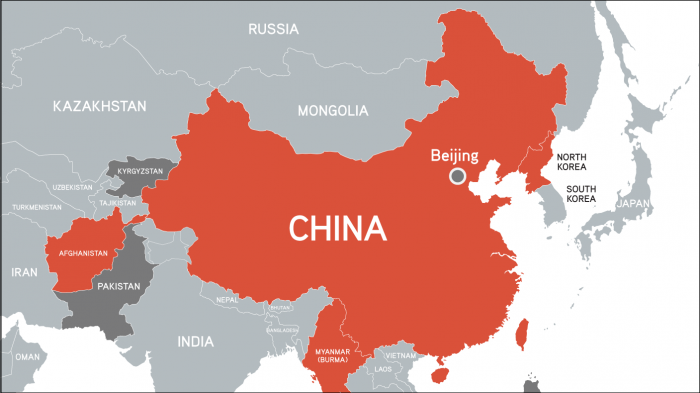
These efforts fit into a broader strategy of isolating China economically, a trend that began under Trump. On one hand, such steps could harm China’s economy by cutting off its export opportunities. But on the flip side, it’s worth asking how much these restrictions could hurt American companies that rely on Chinese supplies. There’s a real risk that these policies could backfire on the US itself.
Another key focus is on preventing economic espionage, which some have likened to a new wave of “McCarthyism,” as described by the Chinese embassy. The goal here is to ramp up protections for intellectual property in the US. But in the larger context of global competition, this move feels more like a sign of desperation than a well-thought-out strategy.
Congress is also looking to create a special program aimed at protecting the US from the Chinese Communist Party. This isn’t just a political move—it feels like a throwback to the Cold War, when the US was constantly on edge about anything that might be linked to the Soviet Union. Today, China is being framed as the new global rival, and Congress is eager to solidify this idea.
The proposed bills also target academic collaborations, with lawmakers pushing to cut funding for institutions linked to China. This is mainly directed at Confucius Institutes, which promote Chinese culture abroad. While these programs might seem like a way to build bridges between nations, they’re now being viewed as potential threats. In this climate of political tension, even China’s “soft power” efforts are coming under fire.
Interestingly, these academic restrictions are happening just as the US-China Science and Technology Agreement from 1979 is set to expire. While the agreement could be extended, it’s likely to come with new conditions, like requiring China to improve its human rights record. This raises an important question: how effective will this strategy be? China has been clear about its stance on human rights, and it seems unlikely they’ll make concessions just to maintain academic exchanges.
We also can’t ignore the political motivations behind these moves. Lawmakers are using tougher stances on China to score points domestically. With elections on the horizon, they’re keen to position themselves as defenders of national security. According to Pew Research, 81% of Americans have a negative view of China, and while foreign policy isn’t a top concern for most voters, there’s a lot of political capital to be gained by taking a tough line.
However, it’s important to note that many of these proposals are more symbolic than practical. A lot of these bills may never pass, but for the lawmakers who propose them, just introducing the legislation is enough to show voters that they’re serious about protecting the US.
In the end, these measures reinforce the fact that there’s a strong anti-China consensus in US politics. These steps are less about finding a resolution with China and more about maintaining tension in the relationship. The political establishment has been preparing the public to see China as the primary adversary for some time now, and these initiatives only strengthen that narrative.
So, the US continues down the path of confrontation with China, further deepening the technological and economic divide between the two nations. But it’s worth considering that these moves could escalate tensions even more, making future cooperation even harder.


Similar news