Kazakhstan turns down Russia in thermal energy sector


Russia’s declining influence across the post-Soviet space is becoming particularly evident in the economic sphere. The erosion of political authority, the growing maturity of former Soviet republics, and favorable geopolitical conditions for a relatively smooth separation have allowed what were once considered permanent partners to start looking in other directions.
In recent days, media outlets and social networks have been actively discussing statements by Armenian Prime Minister Nikol Pashinyan regarding the future of the Russian concession managing Armenia’s railways, as well as Yerevan’s plans to stop relying on Russia for the construction of a new nuclear power unit. It has also emerged that Kazakhstan has effectively sidelined Russia by refusing its participation in the construction of three thermal power plants.
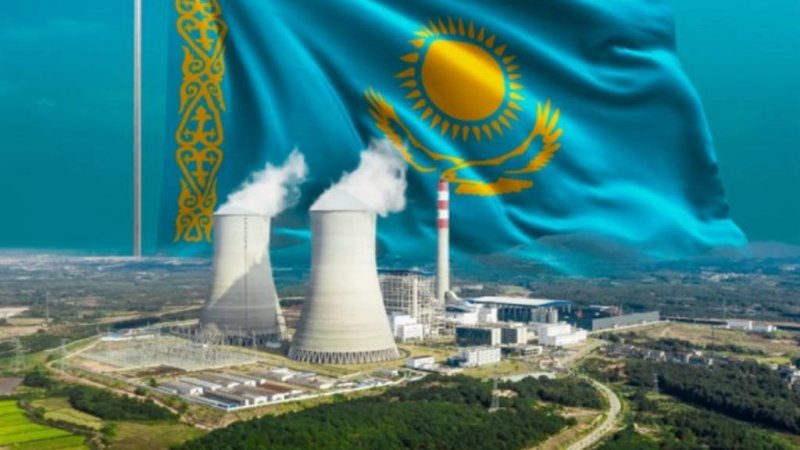
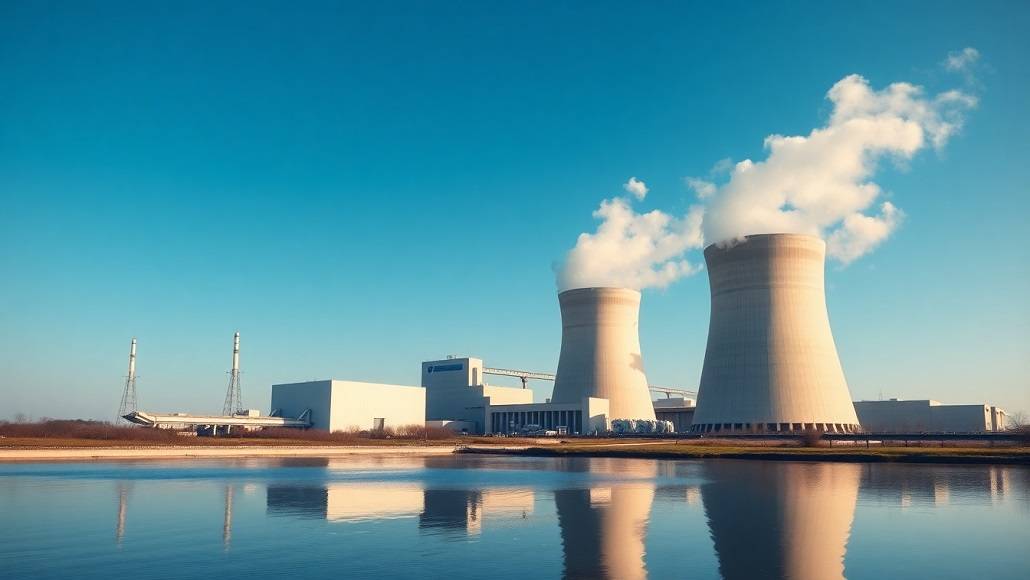
According to The Moscow Times, Kazakhstan has declined the involvement of Russian companies in building thermal power plants in Semey, Kokshetau, and Ust-Kamenogorsk. At a recent government meeting, it was revealed that Kazakhstan would build the Kokshetau plant independently, while the other two facilities would be constructed by a Kazakhstan-Singapore consortium involving Samruk-Energo.
Design work in Kokshetau is already underway. The plant’s capacity will be increased to 820 Gcal, with commissioning scheduled for the first quarter of 2029. The project is estimated to cost around 300 billion tenge, or more than $643 million. The two other plants in Semey and Ust-Kamenogorsk are expected to be even more expensive, each costing approximately 400 billion tenge, or over $857 million.
Source: QazInform
Kazakhstan’s Deputy Energy Minister Sungat Yessimkhanov told journalists that all technologies used will be Chinese, modern, and compliant with environmental standards. The new plants will incorporate clean coal technologies and elements of artificial intelligence.
The question arises as to why Kazakhstan refused cooperation with Russia, especially given that initial plans had considered a partnership with Inter RAO, which was expected to act as the general contractor.
According to Kazakh outlet Kursiv, the government did not receive confirmation that Moscow would provide concessional financing for the projects and therefore decided to proceed independently or with alternative partners. The total cost of the projects had initially been estimated at $2.7 billion. A memorandum of cooperation between the energy ministries of the two countries was signed in November 2023 during Vladimir Putin’s visit to Kazakhstan.
It had initially been agreed that Russian banks would finance the construction of the thermal power plants through loans of up to 15 years. However, difficulties later emerged, making it impossible to secure the necessary funding or subsidize interest rates for equipment purchases.
Kazakh media report that by 2030, Kazakhstan plans to add 7.8 gigawatts of capacity through the construction of eight new power plants and the modernization of eleven others, as part of a national program to develop coal-based power generation between 2026 and 2030.
The new construction program, totaling 5.3 gigawatts, covers key energy hubs across the country and includes plans for a condensing power plant in Kurchatov with a capacity of 700 megawatts, Ekibastuz GRES-3 with 2,640 megawatts, thermal plants in Karaganda and Ekibastuz, as well as new facilities in Zhezkazgan, Kokshetau, Semey, and Ust-Kamenogorsk.
The situation surrounding the thermal power plants has drawn significant media attention, and not without reason. In March, Kazakhstan also temporarily suspended imports of Russian grain, although the restrictions remain in place.
On March 21, Kazakhstan banned imports of a range of grain crops and feed products from Russia, including wheat, rye, barley, oats, corn, soybeans, bran, and other feed-related goods. Railway wagons carrying Russian products were stopped at the border. Experts suggest that if Kazakhstan has taken such a step, other buyers may follow suit.
The ban was reported on March 24 by Yevgeny Karabanov, a representative of the Grain Union of Kazakhstan, citing a letter from the State Inspection Committee in the agro-industrial complex under the Ministry of Agriculture.
The decision was reportedly based on concerns, including an outbreak of pasteurellosis, an infectious disease that forced mass livestock culling in several Russian regions.
At the same time, Russian media note that there are no official statements about the ban on the website of Kazakhstan’s Ministry of Agriculture. Officials in both Kazakhstan and Russia have declined to comment publicly, although sources acknowledge that the restrictions are creating difficulties for Russian exporters.
Russian officials, however, maintain that losing the Kazakh market will not be critical, arguing that demand for Russian grain remains strong elsewhere.
Source: timesca
Another area of bilateral cooperation now under scrutiny is nuclear energy. Following Kazakhstan’s refusal to buy Russian grain and services from Inter RAO, many analysts are questioning whether cooperation with Rosatom may also be reconsidered.
In August last year, work began on Kazakhstan’s first nuclear power plant near the village of Ulken in the Almaty region. In 2024, a national vote supported the construction of a nuclear power plant in the country, with Rosatom selected as the general contractor. The plant is expected to be commissioned between 2035 and 2036.
However, Kazakhstan also appears to be planning further cooperation with China in the nuclear sector. The country’s second and third nuclear power plants are expected to be built by China’s state-owned China National Nuclear Corporation (CNNC). Observers note that Kazakhstan’s decision to assign only one of the three projects to Russia suggests that cooperation with Rosatom may have been more a matter of necessity than strategic preference.
Meanwhile, similar dynamics are unfolding in Armenia, where debates continue over cooperation with Rosatom at the Armenian nuclear power plant, while the country increasingly leans toward potential partnerships with American contractors.


Similar news