Construction begins on Azerbaijan’s first desalination plant on the Absheron Peninsula


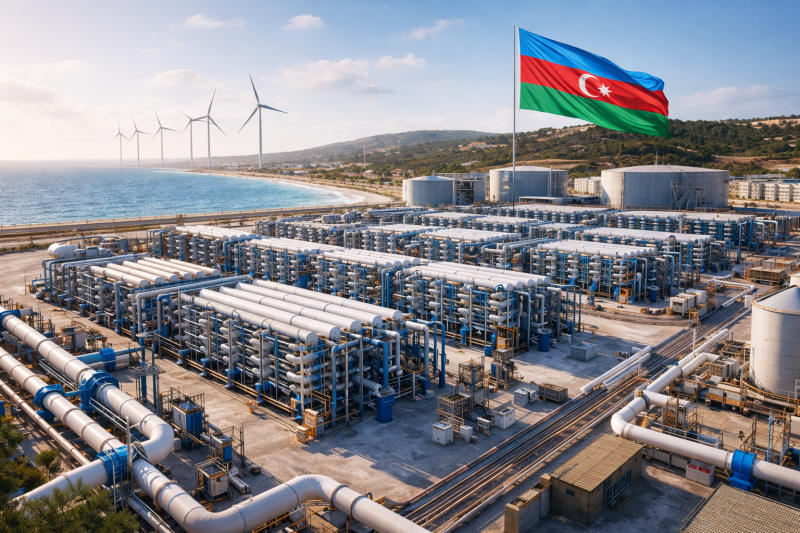
Construction of a seawater desalination plant has begun near the city of Sumgait in Azerbaijan.
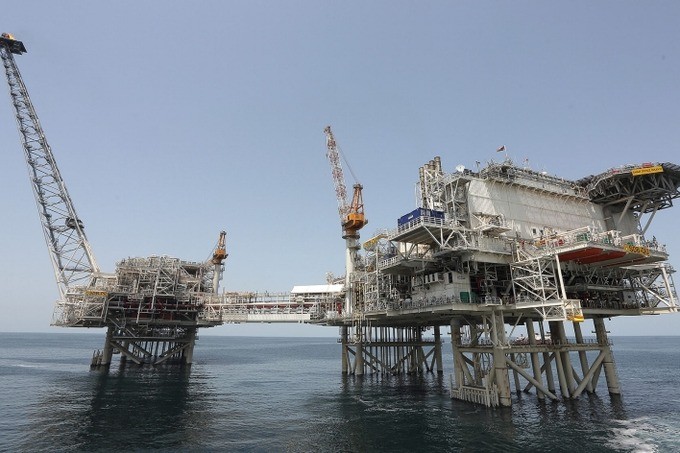
Source: energyforum
In an earlier interview with the Kaspiy newspaper, Professor Amir Aliyev, head of the Department of Geomorphology of the Caspian Sea Coast and Seabed at the Institute for Geography under the Ministry of Science and Education, said the waters of the Bay of Baku are in a critical ecological state. He described the bay as a de facto settling basin for wastewater from a large metropolitan area, petrochemical plants, municipal facilities, the Baku sewage system, and other industries carrying a wide range of harmful substances.
According to him, the bay’s surface sediments largely consist of mixtures of fuel oil, technical oils, organic matter, sand, and silt with shell debris. He added that parts of the area have for many years remained a “dead zone” devoid of living organisms.
Against this backdrop, the decision was made to locate the desalination plant outside the capital, while taking into account factors such as industrial development, access to energy supply, and logistics.
According to the agency, the plant will have an annual production capacity of 100 million cubic metres, covering around 20 percent of the current freshwater demand of the Absheron Peninsula. A main pipeline linking the Sumgait facility to the Jeyranbatan Reservoir is scheduled for construction between 2026 and 2028. The project is designed for 27.5 years, including 2.5 years for construction.
The head of the agency said no negative environmental impact is expected from the project and that potential risks have been minimised. He also stated that there will be no issues with water quality.
Mikayilov added that, “thanks to more intensive filtration, in some cases the water may even be cleaner. Biological minerals are then added to bring it to potable standards.”
In October 2024, Azerbaijan approved a National Strategy for the Efficient Use of Water Resources for 2024–2040. The issue of preventing drinking water shortages remains acute in the country, in part because around 70 percent of its water resources originate beyond its borders.
In this context, seawater desalination is increasingly seen not as an experimental option, but as a rational and, in many ways, necessary solution. From 2027, desalinated seawater is expected to begin supplying Baku and the surrounding areas.
Azerbaijan’s plans were also presented at the opening of the Second International Exhibition and Conference for Water Management — Baku Water Week 2025 — held in September last year. The tender for the Caspian desalination plant was won by ACWA Power, with Israel’s IDE Technologies and the UAE-based Metito Utilities placing second and third.
The Saudi company will build the facility in the Sumgait Industrial Park, with a daily capacity of 300,000 cubic metres, and will operate it for 27.5 years, after which it will be transferred to the State Agency of Water Resources of Azerbaijan.
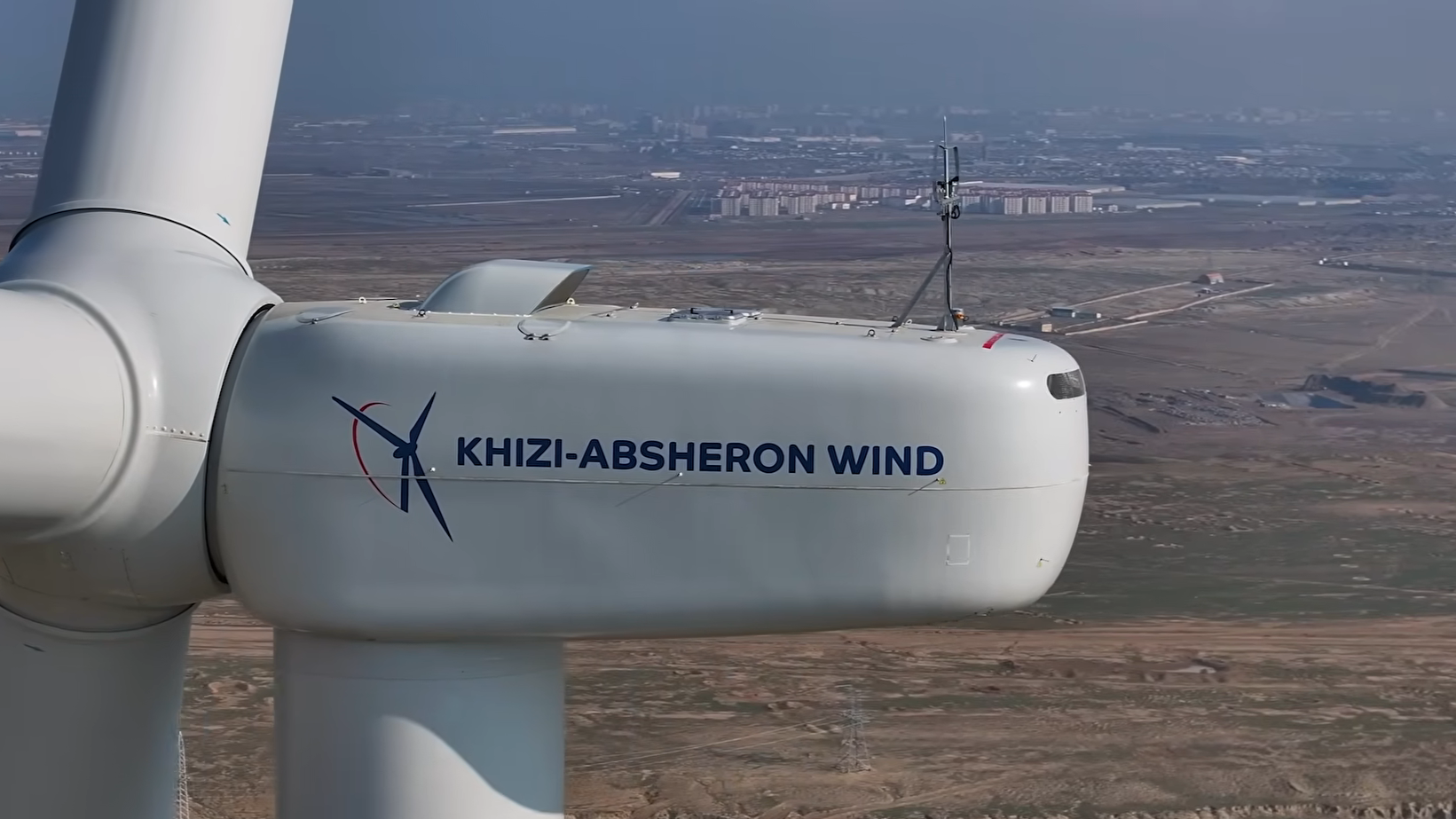
Source: renewables.az
The selection of ACWA Power is not accidental. The company is one of the global leaders in desalination and green energy, with 94 projects across 13 countries and a total portfolio value of around $97 billion.
In Azerbaijan, it has already been involved in several major projects, including the Khizi-Absheron Wind Power Plant, which was commissioned in early January 2026.


Similar news