Why does Belarus need a second nuclear power plant?


By Asif Aydinli
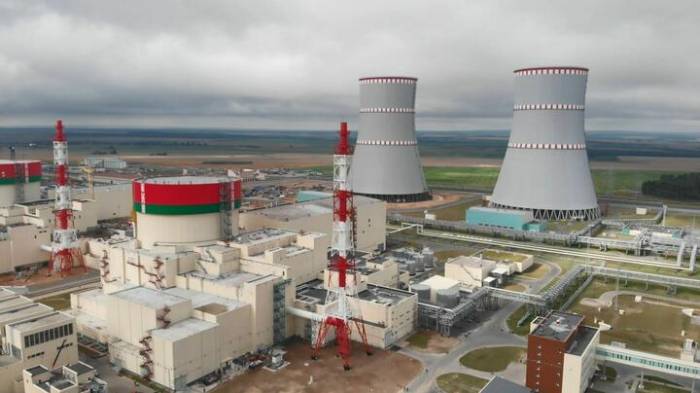
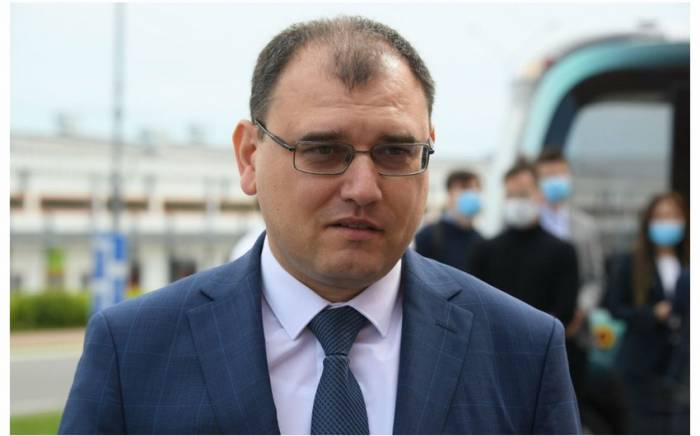
Belarus is making bold moves to boost its energy independence by exploring new opportunities in nuclear energy. The country's recent initiatives and statements show a strong commitment to expanding this sector, which has already proven both effective and economically viable. The swift progress of the Belarusian Nuclear Power Plant and plans to build a second facility align with the country's ambitious energy goals and pave the way for international collaboration and experience-sharing. It's crucial to understand why Belarus is headed in this direction and what long-term benefits it hopes to gain.The Belarusian government is actively considering building a second nuclear power plant . Viktor Karankevich, the former Minister of Energy and now Deputy Prime Minister, shared some compelling reasons for this move in a media interview on August 4. He highlighted the increasing energy consumption in Belarus and the need to create a backup capacity to meet future demand, especially in the 2040s and beyond.
 On August 23, Belarus hosted a press tour for Kazakh journalists and experts at the Belarusian Nuclear Power Plant (BelNPP). This plant, running at full capacity for nearly a year, already provides around 40% of the country's electricity needs. This successful joint project with Russia could serve as a model for other former Soviet states. At the same time, Minsk is exploring further nuclear development and the potential construction of new units.
According to the Energy Institute , Belarus saw an average annual growth in electricity consumption of 2.9% from 2013 to 2023. In 2023, this figure jumped to 5.3%. With this growth rate, Karankevich's prediction of reaching 47 GWh consumption by 2030 seems quite achievable. This has sparked discussions on the need for new generating capacities, including a second nuclear plant. However, it's important to note that nuclear energy is just one option to prevent a power shortage.
Karankevich also pointed out that since BelNPP started operating, about 9 billion cubic meters of gas have been saved — a significant amount over the plant's lifetime. By August 2024, BelNPP had generated approximately 33.5 billion kWh of electricity, cutting down the country's reliance on gas-fired power plants. However, these gas plants aren't being shut down; they're kept in reserve. If needed, they can be brought back online, providing an alternative to building a new nuclear facility.
This strategy benefits Belarus because it doesn't require extra investment in new infrastructure — the gas plants are already there and can be upgraded. However, bringing them back into the energy mix could reduce the share of nuclear power, potentially affecting the overall reliability of the energy system.
Another reason to consider building a second nuclear plant , according to Karankevich, is to lower greenhouse gas emissions. This could become especially important if the European Union eases sanctions, given the EU's plan to track the "carbon footprint" of imported goods and introduce a carbon border tax. The smaller the carbon footprint, the lower the cost of the product in the European market.
Boosting nuclear energy in Belarus's power mix would make its products more competitive in Europe. However, this mainly matters for trading with the European Union, a leader in carbon regulation.
Before sanctions, Belarus was actively exporting electricity to the Baltic states through the BRELL energy ring system . But after BelNPP went online, Lithuania stopped importing Belarusian electricity for political reasons. Even if sanctions are lifted, Lithuania is unlikely to resume imports. Still, new markets for Belarusian electricity could emerge in the future.
Belarus is on the brink of major changes in its energy sector. Whether it should focus on expanding nuclear energy or boosting gas-fired capacities remains an open question. But one thing is clear: Belarus is determined to strengthen its energy independence and increase its competitiveness on the global stage. There are many discussions and decisions ahead, but the future of Belarusian energy looks to be innovative and sustainable.


Similar news