Why Tehran needs Azerbaijan before finalizing its 2025 agenda


Editor's note: Abulfaz Babazadeh is a scientist, Japanese scholar, and political observer, as well as a member of the Union of Journalists of Azerbaijan. The views expressed in this article are the author’s own and may not reflect the position of News.Az.
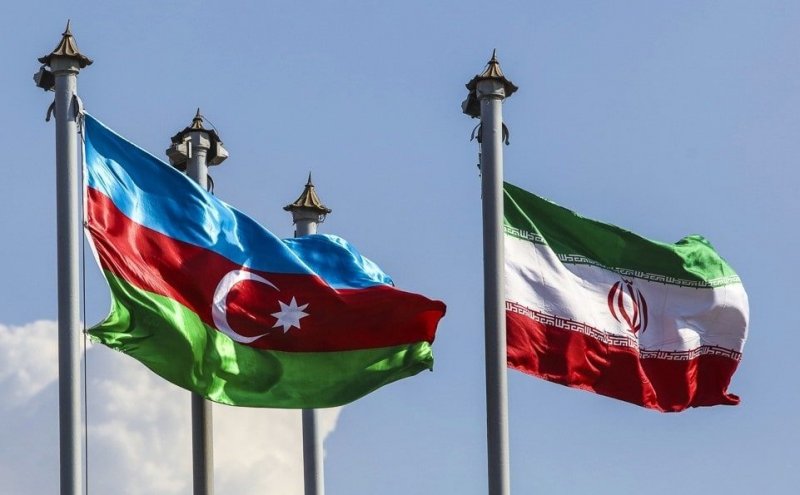
The upcoming visit of Iran’s Foreign Minister Abbas Araghchi to Azerbaijan, scheduled for December 7, has drawn considerable attention, as it comes at a time when most countries are wrapping up their annual reports and setting priorities for the year ahead. For Tehran, however, 2025 appears far from over. Iran is eager to strengthen its dialogue with key neighbors before finalizing its foreign policy agenda, and the South Caucasus—particularly Azerbaijan—plays a central role in this strategic recalibration.
Since the election of President Masoud Pezeshkian, relations between Iran and Azerbaijan have noticeably intensified. Pezeshkian has already visited Baku twice in a short period, signaling a clear shift toward deeper, more predictable, and more pragmatic cooperation. Central to this new approach are major infrastructure projects, including the North–South International Transport Corridor and the Araz Corridor. For Iran, these initiatives offer alternatives to vulnerable routes, increase transit revenues, and enhance Tehran’s strategic role as a regional logistics hub.
Abbas Araghchi, a seasoned diplomat with extensive experience in high-level negotiations, has become a key figure in shaping this course. His importance is not limited to protocol or political symbolism. During a period of heightened tensions triggered by Israeli strikes on Iran, several conservative factions in Tehran spread claims that Israeli drones had allegedly taken off from Azerbaijani territory. Araghchi publicly refuted these accusations, recognizing that such misinformation could seriously damage bilateral relations. His swift response demonstrated that the new Iranian administration intends to avoid unnecessary confrontations—especially with its immediate neighbors—and prefers a more balanced, pragmatic approach.
During his December visit, Araghchi is expected to discuss a broad range of issues that go far beyond routine diplomacy. The future of the North–South and Araz corridors, the pace of their implementation, investment mechanisms, and unresolved technical challenges will be central to the talks. For Iran, these routes are not merely infrastructural projects—they are part of Tehran’s long-term economic resilience strategy, particularly important under ongoing Western sanctions and pressure.
Security concerns surrounding regional transit routes will also feature prominently. The region is undergoing a period of significant turbulence: conflicts in the Middle East, intensified competition between global powers, and attempts by various actors to expand influence in the South Caucasus have created new uncertainties. Iran seeks a clearer understanding of Baku’s position, hoping to ensure stability along vital transport lines and to avoid disruptions that could impact its economic interests.
Within this context, the future of the so-called “Trump Route” has also attracted Tehran’s attention. Iran is closely watching potential U.S. involvement in shaping new transit pathways and assessing the implications for its own strategic posture. Yet several important nuances must be considered: any prospective U.S. role relates solely to the Armenian section of the route; the Azerbaijani portion remains fully under Baku’s control. Azerbaijan has repeatedly emphasized that it will not allow external powers to interfere in the management of its transport corridors. This stance aligns with Iran’s own interests, as Tehran seeks to prevent the expansion of U.S. influence into sensitive logistic and geopolitical zones of the region.
Against this backdrop, Araghchi’s visit to Baku may be only the first step. It would be logical for him to travel to Yerevan afterward to discuss issues related specifically to Armenia’s engagement in regional transport projects and to evaluate how American involvement might affect Iran’s regional strategy. Tehran wants clarity on these matters before finalizing its regional policies for the upcoming year.
The timing of Araghchi’s visit is therefore far from coincidental. Iran aims to strengthen cooperation with Azerbaijan as it prepares its foreign policy agenda for the next year, accelerate joint infrastructure initiatives, eliminate any misunderstandings fueled by recent information provocations, and reinforce the pragmatic line introduced by President Pezeshkian. Furthermore, the visit reflects Tehran’s intention to consolidate its position within the evolving regional transport architecture, where logistics corridors have become as strategically important as political alliances.
This trip also highlights Iran’s broader strategic recalibration. The geopolitical landscape of the region is undergoing profound transformation: new centers of power are emerging, global competition is intensifying, and transport routes are increasingly intertwined with political influence. In such circumstances, Iran must remain flexible and attentive, adjusting its policies to protect its interests. Dialogue with Baku, one of the key players in the South Caucasus, is a crucial part of this process.
Araghchi’s visit underscores Tehran’s desire to engage in a constructive, predictable, and forward-looking dialogue with Azerbaijan. In a region undergoing rapid geopolitical shifts, where control over transit routes carries immense strategic weight, Iran seeks to ensure that it remains not merely an observer, but an active participant in shaping the future of regional connectivity.
(If you possess specialized knowledge and wish to contribute, please reach out to us at opinions@news.az).


Similar news