Will South Korea overtake China in the global arms export rankings?


The global arms market is undergoing a quiet but profound transformation, and South Korea is rapidly emerging as one of its most dynamic new players. While China has long been considered Asia’s dominant exporter of military technology, Seoul’s ambitions to climb to the fourth position globally signal a shift in both industrial capacity and geopolitical influence.
During the ADEX-2025 defense exhibition held in Goyang on October 20, President Lee Jae-myung reaffirmed that South Korea intends to become one of the world’s top defense powers. He announced record funding for military and aerospace research by 2030, describing it as the next stage in the country’s strategic evolution. This declaration continues a trajectory first outlined by former president Yoon Suk-yeol in 2022, who set a clear benchmark: to match China’s defense export performance by 2027 and capture five percent of the global market.
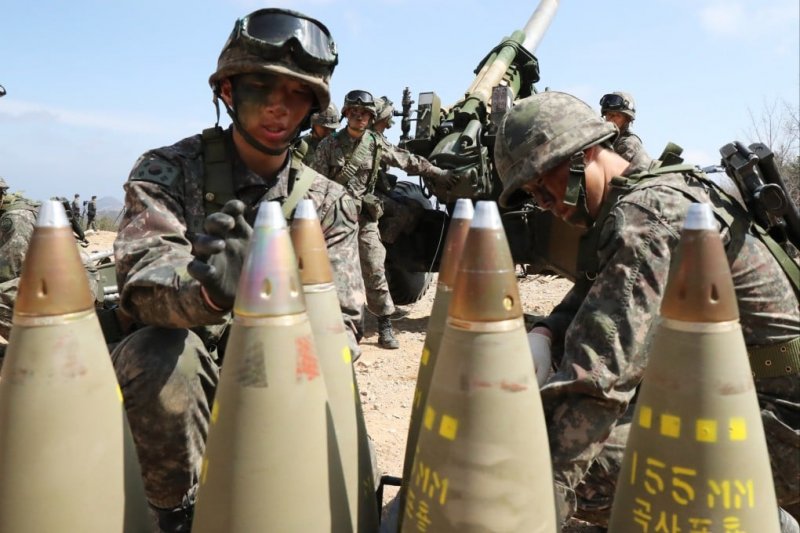
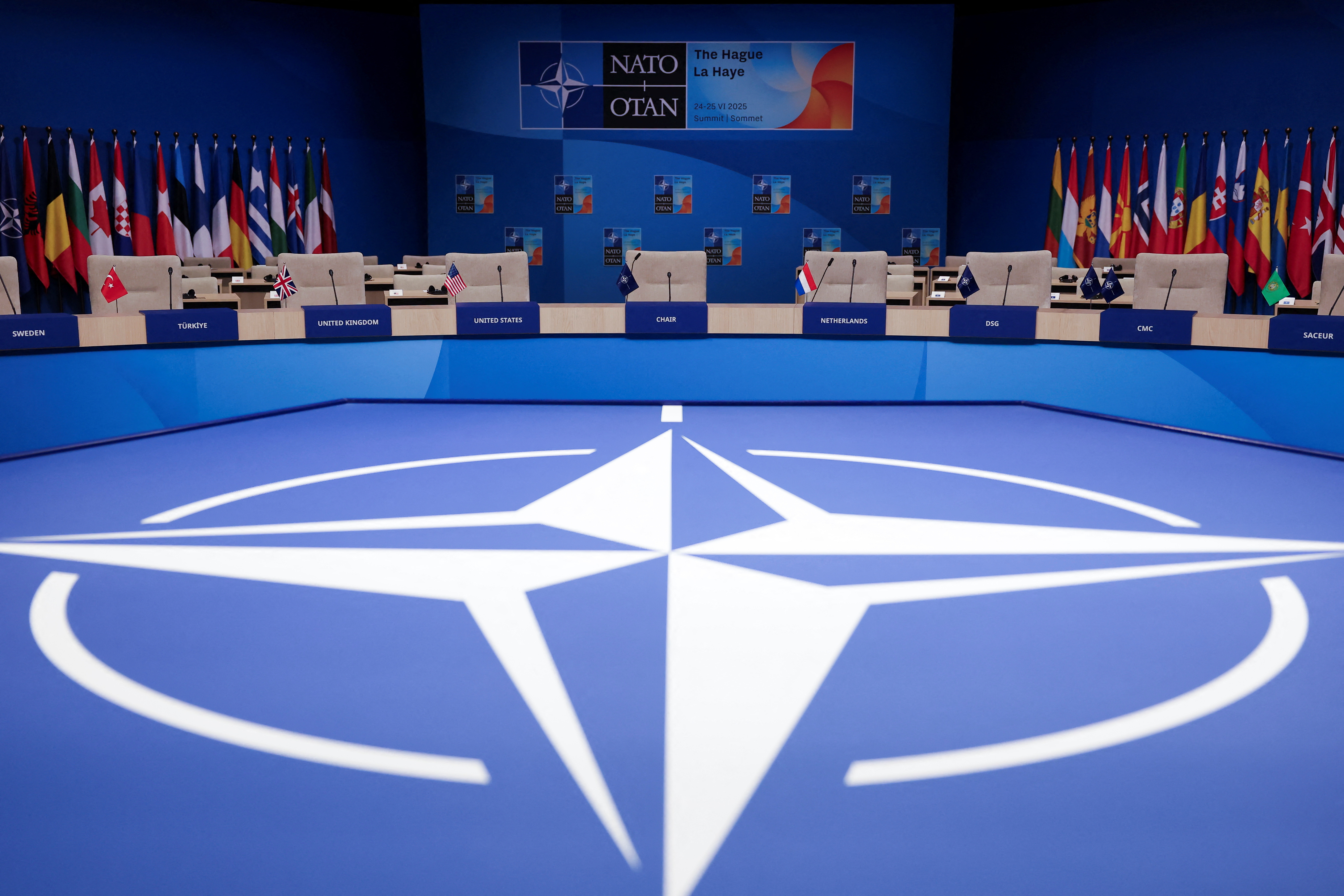
These goals no longer seem unrealistic. South Korea’s defense exports have surpassed $10 billion, and the nation now possesses one of the five strongest militaries in the world. According to the Stockholm International Peace Research Institute (SIPRI), between 2020 and 2024 South Korea became the second-largest arms supplier to NATO countries—second only to the United States. Remarkably, in the artillery segment, Korean producers outpaced even their American counterparts, accounting for 6.5 percent of NATO’s total arms imports and placing tenth globally among all arms exporters.
Source: Reuters
This surge is driven by the country’s highly efficient industrial ecosystem. Firms such as Hanwha, Hyundai Rotem, LIG Nex1, Hyundai Heavy Industries, Kia Motors, and Korea Aerospace Industries (KAI) operate with an agility rarely seen in the global defense sector. Production cycles are strikingly short: a K9 self-propelled howitzer can be built in just three weeks, while an order for ten K2 tanks and two dozen K9s can be completed within four months. The first FA-50 fighter jets were delivered to Poland less than a year after the contract was signed—a speed that contrasts sharply with the slower, bureaucratic pace of many Western manufacturers.
South Korea’s success also lies in its ability to combine speed with quality and affordability. Its defense products are seen as reliable, technologically advanced, yet significantly cheaper than Western alternatives. The K9 artillery system, in particular, has become a bestseller in Europe and Asia. Poland was the first European buyer, followed by Romania, which signed a $1 billion contract for additional K9 units. In the Middle East, Saudi Arabia has procured Cheongung-II air defense systems worth $3.2 billion.

Source: Xinhua
Geopolitical developments have also played to Seoul’s advantage. Ongoing conflicts in Israel and Ukraine have increased global demand for modern yet quickly deployable weaponry. Once dependent on foreign suppliers, South Korea has turned into a vital alternative for countries seeking to diversify their defense partnerships away from traditional powers.
Experts emphasize another crucial factor behind this success: image. As King’s College London professor Ramon Pacheco Pardo notes, South Korea’s reputation as a “non-threatening and non-polarizing” actor stands in contrast to Russia and China, making it an appealing partner for many states wary of great-power politics. Writing in Korea JoongAng Daily, Pacheco Pardo suggested that Seoul could soon overtake Beijing as Asia’s leading arms exporter, particularly as many governments have grown skeptical of China’s political intentions.
Moreover, South Korea’s close military alliance with the United States provides access to advanced technologies and interoperability with NATO systems. Korean manufacturers are increasingly including technology-transfer provisions in their contracts—a powerful incentive for partners seeking not only to buy weapons but also to develop domestic capabilities.
However, overtaking China remains a formidable challenge. The Chinese defense industry enjoys vast scale, deep financing, and an expansive product range—from ammunition and armored vehicles to fifth-generation fighter jets and missile systems. China’s economy allows far greater investment in research, development, and production infrastructure, giving it a structural advantage.
Source: techovedas
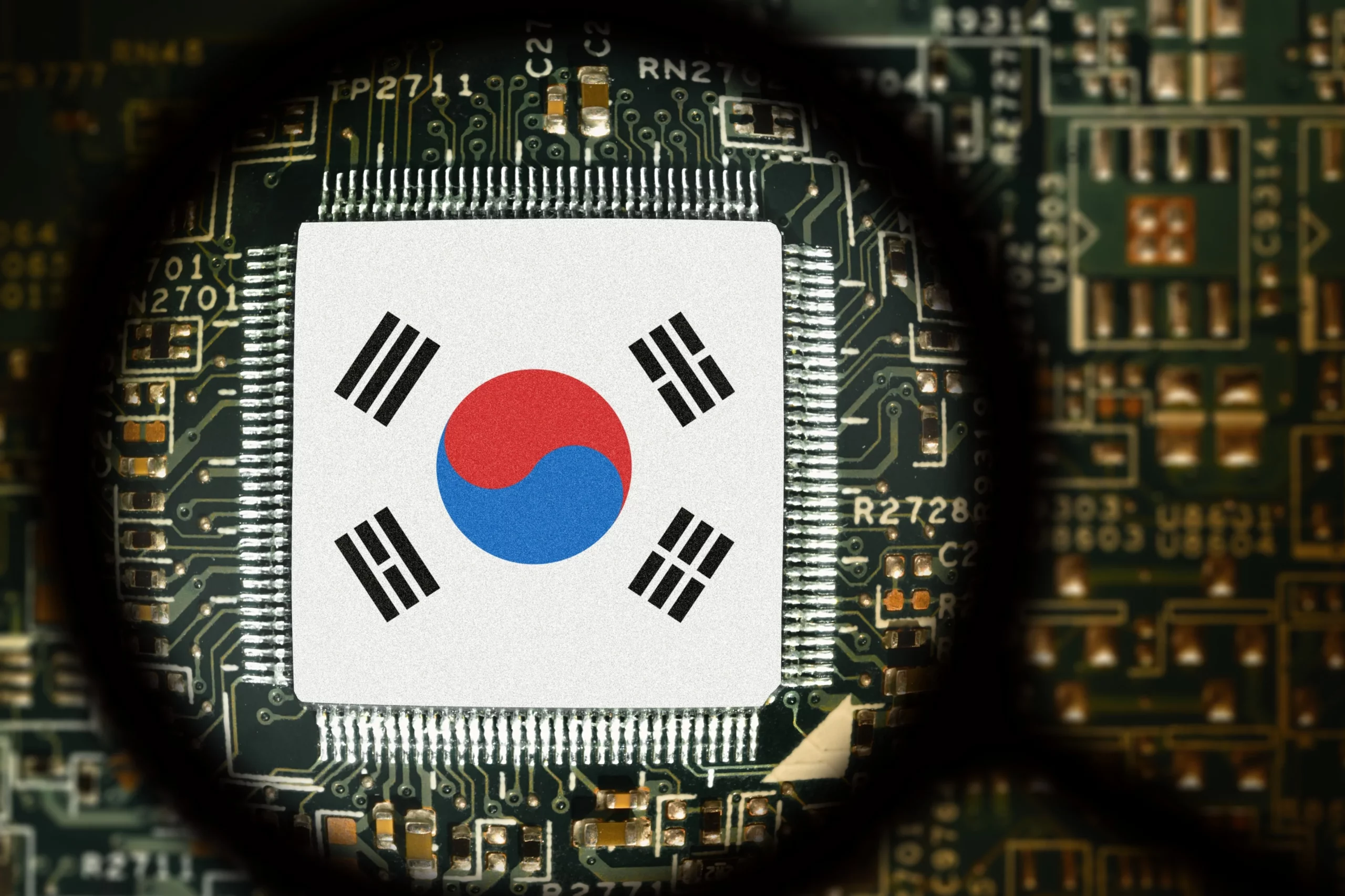
Nevertheless, South Korea’s strength lies in its high-tech sectors, from electronics to robotics. The country’s innovation-driven industrial culture enables it to develop precise, adaptive, and technologically sophisticated weapon systems. Its flexibility, coupled with a strong export-oriented mindset, could allow Seoul to dominate specific market niches—particularly in advanced artillery, armored vehicles, and tactical aircraft.
In the coming years, the competition between South Korea and China will likely define the balance of power in Asia’s defense industry. While Beijing’s scale is unmatched, Seoul’s agility, technological excellence, and strategic partnerships are reshaping perceptions of who leads the region’s defense innovation. South Korea may not yet have surpassed China, but its trajectory suggests that this once-unthinkable scenario is no longer beyond reach.
By Tural Heybatov


Similar news