Will the new agreement between Israel and Hamas lead to long-awaited peace?


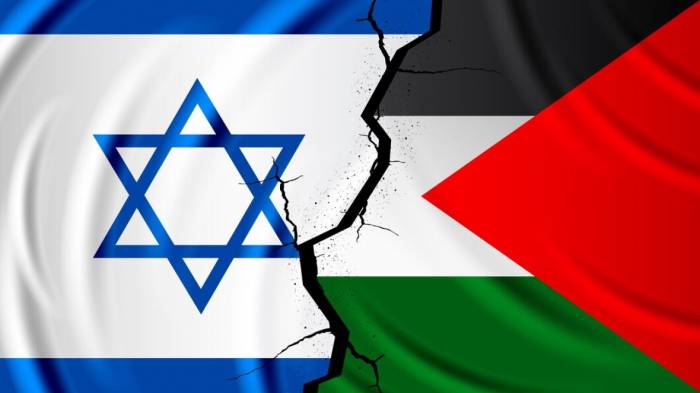
Photo: BBC
Israel and Hamas have reportedly reached a ceasefire agreement, which includes the release of hostages. The news comes from Reuters and CNN, citing sources familiar with the negotiations.
This agreement marks a potential turning point in one of the most devastating escalations of violence in recent years. After months of intense conflict, leaving thousands dead and causing widespread destruction, the two sides have decided to end hostilities under carefully negotiated terms.
The deal includes a phased exchange of prisoners. Israel is set to release detainees, including individuals accused of terrorist activities, in exchange for hostages held by Hamas. Humanitarian provisions are also a critical component, with aid pledged to Gaza, where civilians have suffered severely throughout the conflict.
Despite this breakthrough, challenges remain. The fate of soldiers and draft-age individuals is unresolved, and questions linger about Hamas’s continued control of Gaza and the long-term stability of the ceasefire. Furthermore, regional actors like Iran, Egypt, and Qatar play key roles in shaping the agreement's success and sustainability.
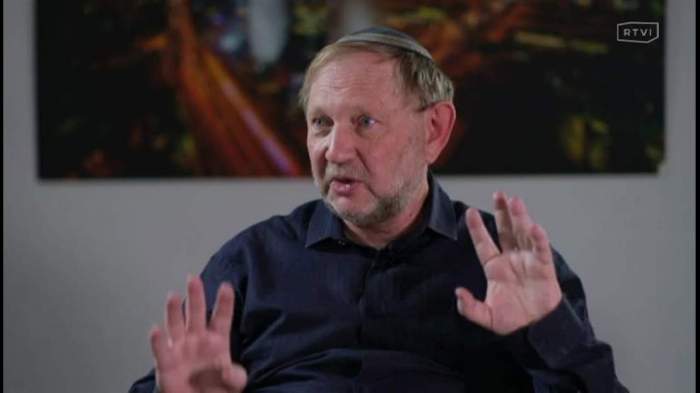
Israeli political scientist Zeev Hanin, in an interview with News.az , highlighted the intricacies of the agreement and its implications. “Israel is engaged in discussions over releasing prisoners from its jails as part of the potential deal with Hamas,” Hanin stated. Approximately 200 detainees are under consideration, many of whom are involved in deadly attacks against Israeli civilians.
However, Hanin noted that Israel is unlikely to release high-profile figures like Marwan Barghouti. “The debate revolves around whether to release individuals who have served lengthy sentences or risk empowering new generations of militant leaders,” he explained.
Hamas reportedly accepted the terms of the agreement earlier but faced delays due to external pressure and political dynamics. Hanin pointed out that the U.S. played a decisive role in pushing for the deal, emphasizing the Biden administration’s focus on shifting global priorities toward challenges posed by China.
The armistice outlines a gradual release of hostages, beginning with small groups, including humanitarian cases. Hanin cautioned that while the process provides hope, Hamas retains the ability to disrupt it at any stage. He added that while Hamas is regaining administrative control in Gaza, its military capabilities have been significantly weakened, forcing a shift toward guerrilla tactics.
The ceasefire also has broader regional implications. Hanin described the agreement as a setback for Iran, whose influence in the region has waned following losses incurred by its proxies, including Hezbollah and the Houthis. He noted that Iran’s diminished role has left Hezbollah and Hamas increasingly reliant on external support, particularly from humanitarian aid promised in the deal.
The agreement reflects a recalibrated balance of power, largely shaped by collaboration between Israel, the United States, and key members of the Saudi bloc. Hanin emphasized that while other global powers like Türkiye, Russia, and China have limited involvement, the deal underscores the importance of regional cooperation.
Although there is cautious optimism surrounding the truce, both sides remain wary of its fragility. The coming weeks will test whether this agreement represents a step toward lasting peace or merely a temporary pause in hostilities.
This agreement marks a potential turning point in one of the most devastating escalations of violence in recent years. After months of intense conflict, leaving thousands dead and causing widespread destruction, the two sides have decided to end hostilities under carefully negotiated terms.
The deal includes a phased exchange of prisoners. Israel is set to release detainees, including individuals accused of terrorist activities, in exchange for hostages held by Hamas. Humanitarian provisions are also a critical component, with aid pledged to Gaza, where civilians have suffered severely throughout the conflict.
Despite this breakthrough, challenges remain. The fate of soldiers and draft-age individuals is unresolved, and questions linger about Hamas’s continued control of Gaza and the long-term stability of the ceasefire. Furthermore, regional actors like Iran, Egypt, and Qatar play key roles in shaping the agreement's success and sustainability.
Israeli political scientist Zeev Hanin, in an interview with News.az , highlighted the intricacies of the agreement and its implications. “Israel is engaged in discussions over releasing prisoners from its jails as part of the potential deal with Hamas,” Hanin stated. Approximately 200 detainees are under consideration, many of whom are involved in deadly attacks against Israeli civilians.
However, Hanin noted that Israel is unlikely to release high-profile figures like Marwan Barghouti. “The debate revolves around whether to release individuals who have served lengthy sentences or risk empowering new generations of militant leaders,” he explained.
Hamas reportedly accepted the terms of the agreement earlier but faced delays due to external pressure and political dynamics. Hanin pointed out that the U.S. played a decisive role in pushing for the deal, emphasizing the Biden administration’s focus on shifting global priorities toward challenges posed by China.
The armistice outlines a gradual release of hostages, beginning with small groups, including humanitarian cases. Hanin cautioned that while the process provides hope, Hamas retains the ability to disrupt it at any stage. He added that while Hamas is regaining administrative control in Gaza, its military capabilities have been significantly weakened, forcing a shift toward guerrilla tactics.
The ceasefire also has broader regional implications. Hanin described the agreement as a setback for Iran, whose influence in the region has waned following losses incurred by its proxies, including Hezbollah and the Houthis. He noted that Iran’s diminished role has left Hezbollah and Hamas increasingly reliant on external support, particularly from humanitarian aid promised in the deal.
The agreement reflects a recalibrated balance of power, largely shaped by collaboration between Israel, the United States, and key members of the Saudi bloc. Hanin emphasized that while other global powers like Türkiye, Russia, and China have limited involvement, the deal underscores the importance of regional cooperation.
Although there is cautious optimism surrounding the truce, both sides remain wary of its fragility. The coming weeks will test whether this agreement represents a step toward lasting peace or merely a temporary pause in hostilities.


Similar news