Age of intelligence: How AI is redefining work, education, and society


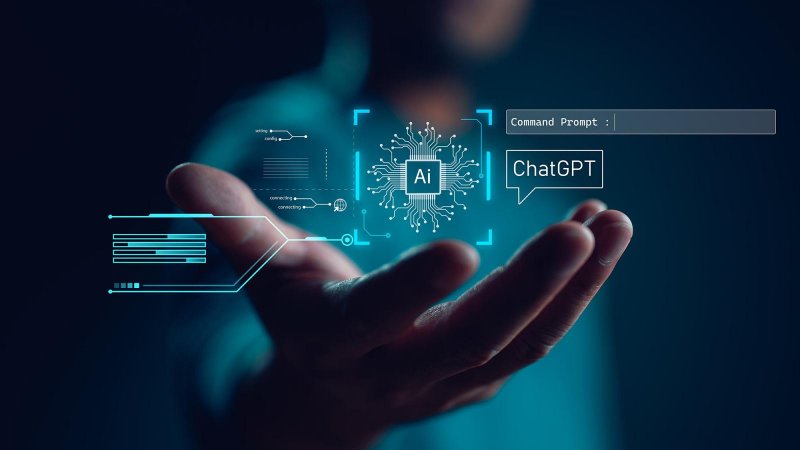
The rise of artificial intelligence marks a transformation as profound as the steam engine or electricity, News.az reports.
What began as narrow machine learning models now touches nearly every part of modern life – from healthcare and finance to education and the arts. The “age of intelligence” has arrived, powered by algorithms that not only process data but increasingly make decisions, generate ideas, and even teach.
Global investment in AI has surpassed $200 billion in 2025, with nations and corporations racing to build smarter systems and secure technological dominance. Governments see AI as both an economic engine and a geopolitical asset. For businesses, it’s a survival strategy – automate, adapt, or be left behind. Yet amid this progress lies an urgent question: how do we reshape human roles in a world where machines think?
Work reinvented – the human–machine collaboration
Automation is no longer confined to factories; it’s moving into offices, studios, and laboratories. AI tools are drafting legal contracts, writing code, analyzing markets, and diagnosing diseases with remarkable accuracy. While this enhances efficiency, it also challenges traditional job structures. Studies suggest that by 2030, up to 40 percent of current job functions could be transformed or replaced by intelligent systems.
However, this is not merely a story of replacement – it’s one of reinvention. New fields are emerging: AI auditors, prompt engineers, ethics officers, and data interpreters. The most successful organizations will be those that fuse human creativity with algorithmic precision. Experts increasingly agree that the future of work lies not in competing with machines, but in collaborating with them.
Education in the era of intelligent learning
Schools and universities are entering uncharted territory. AI tutors can now personalize learning paths for millions of students, analyzing strengths and weaknesses in real time. Adaptive platforms are replacing one-size-fits-all models, allowing learners to progress at their own pace. Universities are also redesigning curricula to emphasize problem-solving, digital literacy, and ethics – skills that cannot easily be automated.
At the same time, educators warn of deep inequalities. Wealthier institutions and nations are deploying advanced learning systems, while others struggle with access and affordability. The digital divide risks becoming an intelligence divide. The challenge for policymakers is to ensure AI empowers education universally, not selectively.
Society at a crossroads – promise and peril
As AI becomes embedded in daily life – recommending what we watch, shaping what we read, even influencing how we vote – its social impact grows harder to ignore. Concerns about privacy, misinformation, bias, and surveillance are sparking global debates over regulation and ethics. The European Union, United States, and China are all crafting AI governance frameworks, though each reflects different political values and economic priorities.
Yet the promise remains enormous. AI could accelerate medical breakthroughs, optimize energy systems, and combat climate change by predicting patterns too complex for humans alone. But the key question persists: will AI serve humanity’s collective progress, or amplify existing divides?
The coming decade will determine that answer. The age of intelligence is not about replacing human potential – it’s about redefining it. How societies choose to balance innovation with inclusion will shape the character of this new era more than any algorithm ever could.


Similar news