Android vs iOS: the enduring debate shaping the global smartphone ecosystem


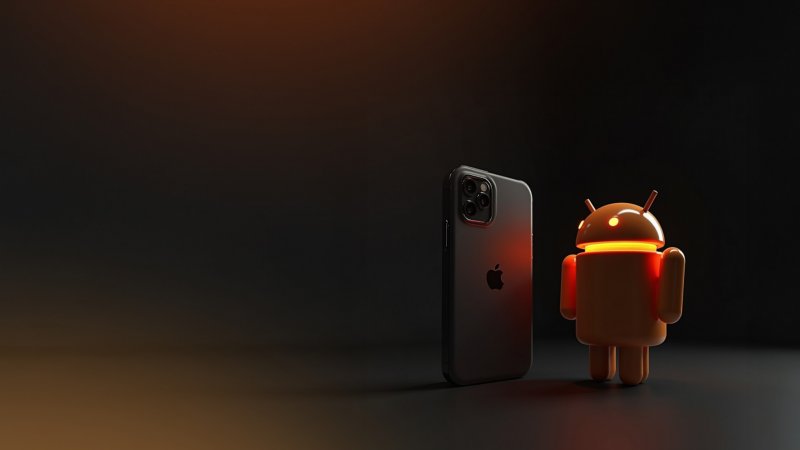
For more than a decade, the rivalry between Android and iOS has defined the modern smartphone era, News.Az reports.
What began as a technological competition has evolved into one of the most influential dynamics in consumer electronics, shaping everything from app development and mobile security to digital payments and global connectivity. While devices change each year, the core debate remains the same: which ecosystem offers the better, safer and more user-friendly experience? The answer continues to depend not on a single feature but on a broader understanding of how both platforms operate, innovate and serve billions of users worldwide.
At the foundation of this debate lies one key difference: openness versus controlled design. Android, developed by Google, is an open-source system used by hundreds of manufacturers including Samsung, Xiaomi, Motorola and others. This results in wide device diversity, competitive pricing and technological experimentation. In contrast, Apple’s iOS is exclusive to the company’s own devices such as the iPhone and iPad. Apple maintains strict control over hardware, software and ecosystem integration, producing a uniform environment designed for stability, security and ease of use.
These contrasting philosophies continue to shape the strengths and weaknesses of both platforms. Android’s openness provides flexibility that appeals to users who value customisation. From dynamic home screens to third-party app stores and advanced system controls, Android allows deeper modification. This flexibility also benefits manufacturers who differentiate their products with custom interfaces, additional features and varying price ranges. As a result, Android dominates global market share, powering more than 70 percent of the world’s smartphones, especially in developing markets.
Meanwhile, iOS emphasises simplicity, privacy and long-term reliability. Apple’s closed ecosystem ensures tighter integration between hardware and software, reducing fragmentation and improving performance consistency. Updates roll out simultaneously to all supported devices, unlike Android, where delivery often depends on manufacturers and carriers. This stability appeals to users who prioritise longevity, strong security and polished user experience. Despite having fewer global users than Android, iOS maintains high popularity in regions such as North America, Western Europe, Japan and Australia, reflecting its strong brand loyalty.
Security remains one of the most frequently discussed differences. Apple’s restricted environment, strict app review process and controlled system access create a structure where malware is less common. iOS devices are not immune to security threats, but large-scale infections are rare. Android, due to its openness and diverse manufacturer practices, faces a broader attack surface. Although Google employs multiple layers of protection, including Google Play Protect and regular patches, security risks differ from device to device. Experts often note that Android’s strength in flexibility can also be a weakness when manufacturers delay critical updates.
App ecosystems represent another major point of comparison. Both Google Play and Apple’s App Store host millions of applications, but developers often prioritise iOS for early releases due to its uniform device ecosystem and higher user spending. Android, however, benefits from global reach, attracting developers targeting emerging markets and specialised use cases. Over time, the quality gap between the platforms has narrowed significantly, yet differences in app optimisation and design remain visible.
Performance and battery life also reflect the broader philosophies of each platform. Apple tightly controls hardware components, enabling efficient optimisation and longer software support for older devices. Android devices vary widely: high-end models rival or surpass iPhones in performance, while budget devices prioritise affordability over speed. This range allows Android to cater to vastly different user groups, from entry-level buyers to technology enthusiasts seeking cutting-edge features.
Privacy has also become a defining issue in recent years. Apple positions itself as a privacy-focused company, offering features such as on-device processing, app tracking transparency and stronger permissions management. Android has strengthened its privacy controls, introducing improved permission systems, background activity limits and stricter policies for developers. While both systems have made progress, Apple maintains greater public trust due to its business model, which relies less on advertising and data-driven services than Google’s.
Despite their differences, Android and iOS continue to influence each other. Many features that debut on one platform eventually appear on the other. Innovations such as biometric authentication, gesture navigation, digital wallets, health monitoring and cross-device continuity have become standard across both ecosystems. This mutual competition fuels rapid development and ensures users benefit regardless of which system they choose.
Looking ahead, both platforms are expected to expand beyond traditional smartphones. Android is deeply integrated into smart TVs, wearable devices, cars and home appliances. Its flexibility makes it ideal for emerging technologies and global adoption. iOS and Apple’s broader ecosystem continue to grow through devices such as the Apple Watch, AirPods and the company’s increasingly connected services. Analysts predict that the competition will move further into artificial intelligence, augmented reality and cross-platform productivity tools.
Ultimately, the Android vs. iOS debate persists not because one platform is unquestionably superior but because each reflects different priorities. Android offers freedom, diversity and choice. iOS delivers simplicity, privacy and consistent quality. Both ecosystems have matured to the point where users can rely on stable, secure and feature-rich experiences. In a digital world where smartphones have become essential tools for communication, work and creativity, this enduring rivalry ensures continuous innovation and gives billions of people the opportunity to choose the experience that best fits their lives.


Similar news