Global helium shock could push MRI scan prices higher in Russia


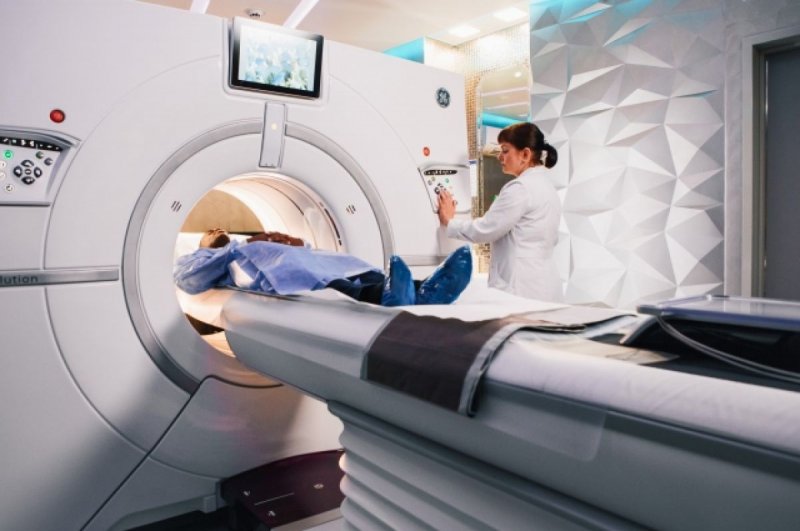
Global turbulence in the helium market may soon affect the cost of medical diagnostics in Russia, with experts warning that MRI scans could become more expensive amid disruptions linked to tensions in the Middle East, News.Az reports, citing RBC.
The situation is tied to problems in the production of liquefied natural gas (LNG) at facilities operated by QatarEnergy following reported attacks on energy infrastructure earlier this month. Because helium is extracted during LNG processing, any interruption in LNG production can ripple through the global helium supply chain.
RECOMMENDED STORIES
Helium is a critical element for magnetic resonance imaging (MRI) technology. The gas is used to cool the powerful superconducting magnets inside MRI machines to extremely low temperatures. Without helium, these machines cannot operate properly.
However, experts say patients are unlikely to see an immediate shortage of MRI examinations. Modern MRI systems typically use closed-loop cooling systems, meaning helium circulates within the machine and is rarely consumed during normal operation.
This means that disruptions in the helium market are more likely to affect the cost of maintaining equipment, servicing machines, and producing new MRI devices, rather than causing an immediate halt to diagnostic procedures.
“Market instability will primarily influence service costs and the manufacturing of new equipment rather than the availability of MRI examinations for patients,” said Yulia Frangulova, founder and CEO of the Linline clinic network.
At the same time, medical professionals warn that continued disruptions in global helium supplies could complicate logistics and increase operational costs for healthcare providers.
Oksana Platonova, head of diagnostics at the AO Meditsina clinic, noted that existing MRI machines should continue operating normally, though hospitals may face rising costs when sourcing helium for maintenance and repairs.
The issue is particularly sensitive because Qatar accounts for roughly 60% of global interregional helium trade, making the country a key player in the international supply chain.
Russia has been gradually increasing its own helium production, including supplies from the Amur Gas Processing Plant, which could help offset some of the pressure on the market.
Still, experts warn that if disruptions persist, the effects could eventually be felt in healthcare costs, with diagnostic services potentially becoming more expensive.


Similar news