Archaeologists discover unsettling use of human bones as tools in Bronze Age Britain


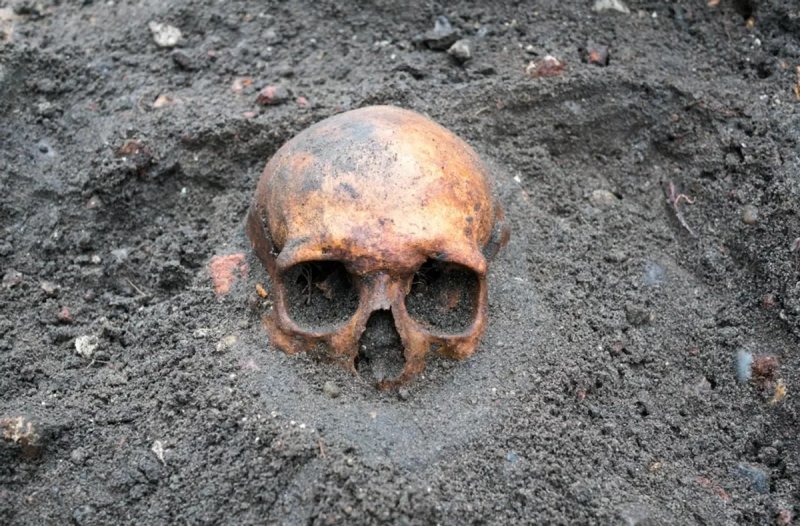
Recent archaeological excavations in Britain have uncovered a series of startling finds that suggest Bronze Age people may have regularly used the remains of their ancestors to create household tools and ceremonial items.
Research conducted on bone fragments found across several burial sites indicates that ancient communities did not view human remains solely as objects of mourning, but rather as functional materials that maintained a physical connection to the deceased, News.Az reports, citing Popular Mechanics.
These findings, published in the latest reports from leading archaeological teams, provide a rare and somewhat macabre glimpse into the domestic and spiritual lives of people living over 3,000 years ago.
RECOMMENDED STORIES
Sophisticated microscopic analysis of the bone fragments revealed wear patterns and carving marks consistent with the production of items such as needles, handles, and even musical instruments. Unlike typical funerary practices where bodies were interred and left undisturbed, evidence suggests that some individuals were exhumed months or even years after their death. Their bones were then cleaned, reshaped, and integrated back into the community. Experts believe this practice served to keep the memory of the ancestors alive, turning the skeletal remains into "living" artifacts that participated in the daily chores and rituals of the household.
The discovery challenges modern Western perceptions of death and the sanctity of the body. In the Bronze Age worldview, the transition from life to death appears to have been much more fluid, with the physical body retaining its utility and social status long after the spirit had departed.
Archaeologists note that while the use of animal bone for tools was common, the specific selection of human bone for certain tasks indicates a high level of symbolic intent. These revelations are forcing historians to rethink the social structures of early British societies, suggesting a culture deeply rooted in ancestral veneration and a practical, unsentimental approach to mortality.
By Leyla Şirinova


Similar news