Asia braces for confusion after Trump’s new 10% tariffs


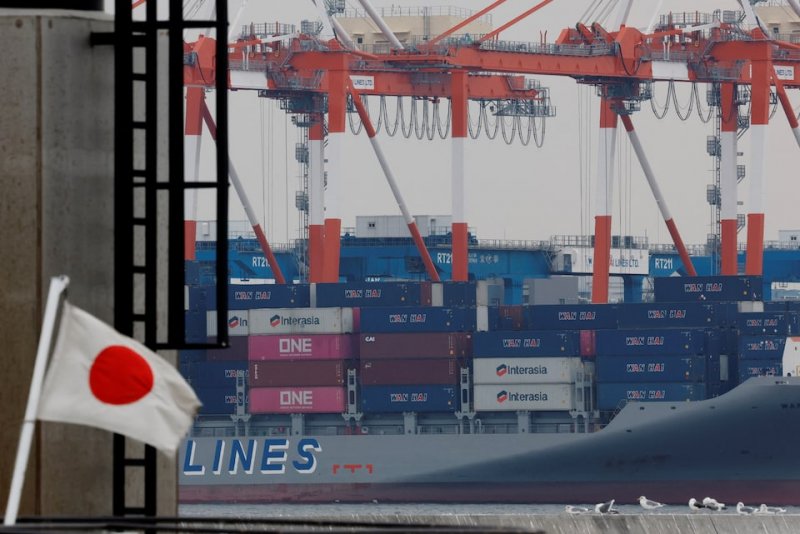
Asian trading partners are closely monitoring uncertainty after Donald Trump announced a new 10% global import tariff, just hours after the U.S. Supreme Court struck down several previous levies. The court had invalidated tariffs imposed under the International Emergency Economic Powers Act (IEEPA), which had targeted major exporters including China, South Korea, Japan, and Taiwan.
A government spokesperson said Tokyo will “carefully examine the ruling and the Trump administration’s response” and act accordingly, News.Az reports, citing Reuters.
Officials are monitoring closely and maintaining communication with the U.S., noting initial impacts appear limited. Taiwan has signed recent trade deals with the U.S., including a $250 billion investment MOU and reciprocal tariff reductions.
RECOMMENDED STORIES
Christopher Hui, secretary for financial services and treasury, described the situation as a “fiasco” but highlighted Hong Kong’s unique trade advantages and predictability for global investors.
Hong Kong’s separate customs territory status shields it from direct U.S. tariffs on mainland Chinese goods, allowing the city to maintain trade flows despite tensions.
Analysts warn that new Trump measures could trigger further uncertainty for businesses and investors. While the Supreme Court ruling halves the trade-weighted average U.S. tariff from 15.4% to 8.3%, countries previously facing higher rates, like China, Brazil, and India, still see double-digit tariffs.
Thailand’s Trade Policy head, Nantapong Chiralerspong, noted the ruling might temporarily boost exports due to “front loading,” where shippers rush goods to the U.S. ahead of potential future tariffs.
Corporate disclosures across the Asia-Pacific have already recorded financial impacts, supply chain shifts, and operational changes due to the tariff environment throughout 2025 and early 2026.
The situation remains fluid, and trading nations are preparing for possible new U.S. tariff measures in the coming weeks.
By Aysel Mammadzada


Similar news