BofA warns equity selloff may be ‘bear trap’ as markets near turning point


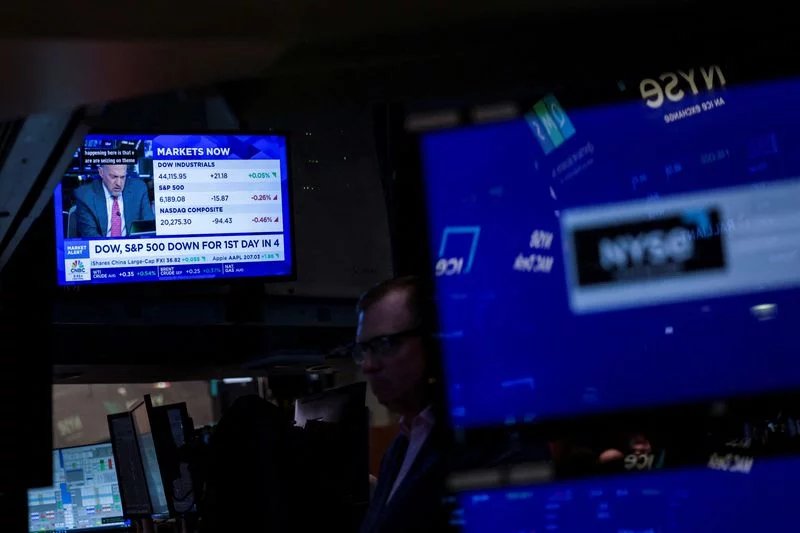
Recent weakness in global equities could prove to be a “bear trap,” with markets potentially approaching a capitulation phase before rebounding, analysts at Bank of America have said.
In its latest strategy note, the bank said investor sentiment has deteriorated sharply, while positioning has turned increasingly defensive — conditions that typically emerge in the late stages of a market correction, News.az reports, citing BBC.
RECOMMENDED STORIES
Signs of late-cycle stress
According to analysts, current market dynamics suggest a possible “washout” phase, where selling accelerates and weaker investors exit positions. Such periods are often characterised by heightened volatility and extreme pessimism, which can pave the way for a recovery.
Markets are currently being shaped by a mix of macroeconomic and geopolitical pressures, including elevated oil prices linked to tensions involving Iran and disruptions around the Strait of Hormuz.
Persistent inflation concerns and uncertainty over the policy path of the Federal Reserve are also weighing on investor confidence.
Bearish positioning builds
BofA noted that systematic funds and trend-following strategies have been increasing short positions in equities, amplifying downside momentum in recent sessions.
However, this growing bearish positioning could also set the stage for a sharp reversal. If market conditions stabilise — for example through easing geopolitical tensions or a moderation in energy prices — investors may rapidly unwind short positions, triggering a rebound.
Capitulation could signal opportunity
Historically, periods of capitulation have often preceded strong market rallies. These phases are typically marked by rapid declines, spikes in volatility and widespread negative sentiment.
Analysts suggest that markets may be nearing such a turning point, even though near-term risks remain tilted to the downside.
Cautious outlook amid volatility
While the broader environment remains uncertain, BofA cautioned investors against aggressively chasing the current selloff.
Any improvement in geopolitical conditions, clearer signals from central banks, or stabilisation in commodity markets could act as catalysts for recovery.
In that context, the bank views the current downturn not as the start of a prolonged bear market, but as a potential late-stage correction that could give way to renewed gains once key uncertainties begin to ease.
By Faig Mahmudov


Similar news