Why did deadly storms kill dozens in northern India and how serious is the situation?


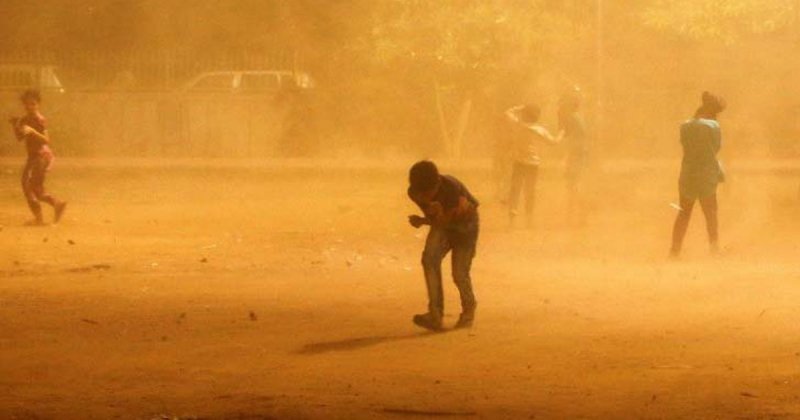
More than 80 people have died and over 100 others have been injured across northern India after severe weather battered large parts of the region, particularly the state of Uttar Pradesh. Heavy rains, strong winds, lightning strikes, hailstorms, collapsing walls, and uprooted trees caused widespread destruction over a 24 hour period.
The disaster has once again highlighted India’s growing vulnerability to extreme weather events, especially during seasonal transitions when unstable atmospheric conditions can rapidly produce deadly storms.
RECOMMENDED STORIES
Here is a detailed FAQ explainer on what happened, why the storms became so destructive, which regions were affected most, and what the disaster reveals about climate and infrastructure risks in India.
What happened in northern India?
A powerful spell of severe weather struck several parts of northern India, causing widespread casualties and damage.
According to government officials, more than 80 people died and over 100 others suffered injuries due to heavy rains, thunderstorms, lightning, hailstorms, and powerful winds.
The worst affected state was Uttar Pradesh, India’s most populous state.
Authorities reported extensive destruction across multiple districts, including:
• collapsed walls and buildings
• uprooted trees
• damaged homes
• destroyed crops
• livestock deaths
• blocked roads
• power disruptions
Many deaths reportedly occurred when walls or trees collapsed during intense winds and storms.
Which area was hit the hardest?
One of the worst affected districts was Prayagraj, where nearly 20 people reportedly died.
The district experienced severe thunderstorms, strong winds, and heavy rainfall that caused widespread structural damage.
Prayagraj is a major city in northern India known for its religious significance and large population density. Because many structures in vulnerable rural and semi urban areas may not be built to withstand extreme weather, powerful storms can quickly become deadly.
Other districts across Uttar Pradesh also reported fatalities and significant damage.
What caused the deadly storms?
The severe weather was caused by a combination of atmospheric instability, moisture laden winds, and seasonal weather patterns common during transitional periods in northern India.
Meteorologists say such storms can develop when:
• warm air rises rapidly
• moisture levels are high
• cooler upper air masses interact with hot surface temperatures
• unstable atmospheric conditions trigger thunderstorm formation
These systems can produce:
• intense rainfall
• lightning strikes
• hailstorms
• strong gusty winds
• sudden localized flooding
In many parts of India, pre monsoon storm systems can become extremely violent within a short period.
Why are lightning strikes so deadly in India?
Lightning is a major cause of weather related deaths in India every year.
India experiences some of the world’s highest lightning fatality rates because of several factors:
• large rural populations working outdoors
• dependence on agriculture
• limited access to lightning safe shelters
• crowded housing conditions
• weak early warning awareness in some areas
Farmers, laborers, and villagers are particularly vulnerable during thunderstorms because they may be caught in open fields or under unsafe structures.
Lightning strikes can kill instantly or cause severe burns and neurological injuries.
In many rural areas, people may also seek shelter under trees during storms, which significantly increases the risk of fatal lightning strikes.
Why do walls collapse during storms in India?
Wall collapses are tragically common during heavy rains and storms in parts of India.
Many older or poorly constructed structures become unstable when exposed to:
• heavy rainfall
• water saturation
• strong winds
• erosion of foundations
Boundary walls, mud structures, partially built buildings, and weak rural homes are especially vulnerable.
In dense urban and semi urban settlements, narrow spaces and overcrowding can also worsen the risk.
During intense storms, sudden collapses often occur at night when residents are indoors and unable to escape quickly.
How serious was the damage?
Officials reported widespread destruction across several districts.
Damage included:
• homes destroyed or partially damaged
• agricultural losses
• livestock deaths
• uprooted trees
• damaged electricity infrastructure
• blocked transportation routes
Thousands of trees were reportedly uprooted by strong winds.
Heavy livestock losses were also recorded, creating additional economic hardship for farming communities already vulnerable to weather shocks.
In many rural areas, even relatively limited property damage can severely affect livelihoods because families depend heavily on agriculture and livestock income.
What did the government do after the disaster?
Yogi Adityanath directed district officials and relief commissioners to provide immediate assistance to affected communities.
Authorities were instructed to:
• deliver emergency relief
• provide medical assistance
• assess damage
• support injured victims
• help affected families
• restore disrupted infrastructure
State agencies also began surveying losses to determine compensation and rehabilitation needs.
Emergency response teams were reportedly deployed in multiple districts.
Who is Yogi Adityanath?
Yogi Adityanath is the chief minister of Uttar Pradesh and one of India’s most prominent regional political leaders.
A member of the Bharatiya Janata Party, he has governed Uttar Pradesh since 2017.
As head of India’s most populous state, Adityanath oversees disaster response efforts for a population exceeding 200 million people.
Extreme weather events, floods, heatwaves, and storms frequently test state emergency management systems.
Why is Uttar Pradesh especially vulnerable to severe weather?
Uttar Pradesh is highly vulnerable because of several structural and geographic factors.
These include:
• very large population density
• extensive rural settlements
• aging infrastructure in some areas
• heavy agricultural dependence
• seasonal monsoon variability
• poverty in vulnerable districts
Many residents live in housing that may not withstand extreme storms.
In rural areas, people are often directly exposed to weather risks because agriculture and outdoor labor dominate local economies.
Climate variability has also increased the unpredictability of rainfall and storm intensity in recent years.
Is climate change making such storms worse?
Many scientists say climate change is increasing the intensity and unpredictability of extreme weather events globally, including in India.
Warmer temperatures can increase atmospheric moisture, which may contribute to:
• heavier rainfall
• stronger storms
• more unstable weather systems
• increased lightning activity
Although no single storm can automatically be attributed solely to climate change, experts say broader warming trends are influencing weather behavior.
India has experienced rising numbers of:
• extreme rainfall events
• heatwaves
• flash floods
• severe storms
• lightning incidents
Climate scientists warn that densely populated countries like India face particularly high risks because millions of people remain exposed to weather sensitive environments.
How common are deadly storms in India?
Severe weather disasters occur regularly across India.
The country experiences multiple climate related hazards each year, including:
• monsoon floods
• cyclones
• thunderstorms
• hailstorms
• heatwaves
• landslides
• droughts
Northern and eastern India are particularly prone to lightning related fatalities during pre monsoon and monsoon periods.
Every year, hundreds or sometimes thousands of people die from lightning strikes, flooding, collapsing structures, and storm related incidents.
What are hailstorms and why are they dangerous?
Hailstorms occur when strong thunderstorm updrafts carry water droplets high into extremely cold areas of the atmosphere where they freeze into ice.
As these ice particles grow larger, they eventually fall to the ground as hail.
Large hailstones can:
• injure or kill people
• destroy crops
• damage roofs and vehicles
• kill livestock
• shatter windows
For farming communities, hailstorms can be economically devastating because crops may be destroyed within minutes.
Why are livestock losses important in India?
Livestock plays a critical economic role in many Indian rural communities.
Families often depend on animals for:
• milk production
• transportation
• farming support
• income generation
• savings and financial security
When storms kill livestock, families may lose their primary economic assets.
This can deepen poverty and create long term recovery challenges.
In agricultural regions, livestock losses may sometimes have greater economic consequences than direct property damage.
How does India manage natural disasters?
India has developed extensive disaster management systems over the past two decades, especially after several major catastrophes.
Key institutions include:
• the National Disaster Management Authority
• state disaster response agencies
• local emergency administrations
• weather forecasting agencies
The India Meteorological Department plays a major role in forecasting severe weather and issuing alerts.
India has significantly improved cyclone evacuation systems in recent years, helping reduce fatalities during some large coastal storms.
However, sudden inland thunderstorms and lightning events remain difficult to manage because they can develop rapidly and affect scattered rural populations.
Could better warning systems reduce deaths?
Experts say stronger early warning systems and public awareness campaigns could significantly reduce casualties.
Important measures include:
• faster weather alerts
• mobile warning systems
• lightning detection networks
• public education campaigns
• safer shelter infrastructure
• stronger building standards
Some Indian states have already introduced lightning warning applications and community alert systems.
However, access remains uneven across rural areas.
Why are rural populations especially vulnerable?
Rural communities often face greater exposure to severe weather because:
• more people work outdoors
• housing may be weaker
• emergency services are farther away
• healthcare access is limited
• incomes are lower
• infrastructure may be inadequate
Farmers and laborers may also delay seeking shelter during storms because of work pressures or lack of nearby safe locations.
In some villages, emergency communication systems remain limited.
Could urbanization worsen disaster risks?
Rapid urbanization can increase disaster vulnerability if infrastructure development fails to keep pace with population growth.
In many Indian cities and towns:
• drainage systems are inadequate
• construction standards vary widely
• overcrowding increases exposure
• informal settlements expand into risky areas
Strong storms can therefore cause severe damage even during relatively short weather events.
Urban flooding and structural collapses have become increasingly common in several Indian states.
How important is agriculture in Uttar Pradesh?
Agriculture remains one of the most important sectors in Uttar Pradesh.
Millions of people depend on farming for employment and income.
Major crops include:
• wheat
• rice
• sugarcane
• pulses
• vegetables
Extreme weather events can therefore have serious economic consequences not only for farmers but also for regional food supply chains and rural markets.
Hailstorms and heavy rains are especially dangerous during sensitive crop growth periods.
How do storms affect public health?
Severe weather can create multiple health risks beyond immediate injuries.
Potential impacts include:
• contaminated drinking water
• disease outbreaks
• interrupted healthcare access
• psychological trauma
• heat and humidity related illness
• injuries from debris and collapsing structures
Power outages may also disrupt medical services and refrigeration systems for medicines.
In flood affected areas, mosquito borne diseases can increase afterward.
Could the death toll rise further?
It is possible.
Authorities often continue search, rescue, and damage assessment operations for several days after severe storms.
Some injured victims may remain in critical condition.
Additional casualties may also be identified in remote or heavily damaged areas after communication and transportation networks are restored.
Official numbers sometimes increase as more information becomes available.
How do extreme weather events affect India’s economy?
Weather disasters create enormous economic pressure on India each year.
Losses may include:
• crop destruction
• infrastructure repair costs
• insurance claims
• healthcare expenses
• business disruptions
• livestock deaths
• reduced productivity
Climate linked disasters are becoming a growing concern for policymakers because India’s economy remains heavily dependent on climate sensitive sectors such as agriculture.
Extreme weather can also slow development in poorer regions.
What role does the India Meteorological Department play?
The India Meteorological Department is India’s national weather agency.
It monitors atmospheric conditions and issues forecasts and warnings related to:
• rainfall
• cyclones
• thunderstorms
• heatwaves
• floods
• lightning risks
The department has expanded forecasting capabilities in recent years using satellite systems, radar networks, and digital monitoring technologies.
However, forecasting highly localized thunderstorms remains challenging.
Are such disasters becoming more frequent globally?
Scientists worldwide say extreme weather events are becoming more intense and unpredictable in many regions.
Countries across Asia, Europe, Africa, and the Americas have recently experienced:
• record floods
• severe storms
• destructive heatwaves
• powerful cyclones
• wildfires
• droughts
Population growth, urban expansion, environmental degradation, and climate change together increase vulnerability to disasters.
Developing countries with large rural populations often face especially severe impacts.
What can people do during severe thunderstorms?
Safety experts recommend several precautions during severe weather:
• move indoors immediately
• avoid standing under trees
• stay away from metal objects
• avoid open fields
• unplug sensitive electronics
• avoid touching electrical equipment
• stay away from unstable walls and structures
People living in vulnerable housing areas are often advised to move temporarily to safer shelter during major storm warnings.
Public awareness remains critical because many storm related deaths occur from preventable risks.
How resilient is India’s disaster response system today?
India’s disaster management capacity has improved substantially compared with previous decades.
The country has achieved major successes in:
• cyclone evacuation planning
• weather forecasting
• emergency coordination
• disaster communication systems
However, challenges remain because of:
• massive population size
• uneven infrastructure quality
• poverty in vulnerable regions
• rapid urbanization
• climate stress
Sudden localized disasters such as lightning storms remain particularly difficult to manage effectively.
What does this disaster reveal about India’s broader challenges?
The deadly storms in northern India highlight several long term structural issues facing the country:
• climate vulnerability
• infrastructure weaknesses
• rural exposure to natural hazards
• rapid urban growth
• disaster preparedness gaps
• dependence on climate sensitive livelihoods
As extreme weather becomes more unpredictable, governments across India may face increasing pressure to strengthen resilience measures.
This includes improving housing standards, expanding warning systems, protecting infrastructure, modernizing drainage networks, and increasing public awareness.
The tragedy in Uttar Pradesh also demonstrates how quickly severe weather can turn deadly in densely populated regions where millions of people remain highly exposed to environmental risks.
While emergency relief efforts continue, the disaster is likely to renew debates over climate adaptation, infrastructure resilience, and disaster preparedness across India.
By Faig Mahmudov


Similar news