What are semiconductors, and why are they so important globally?


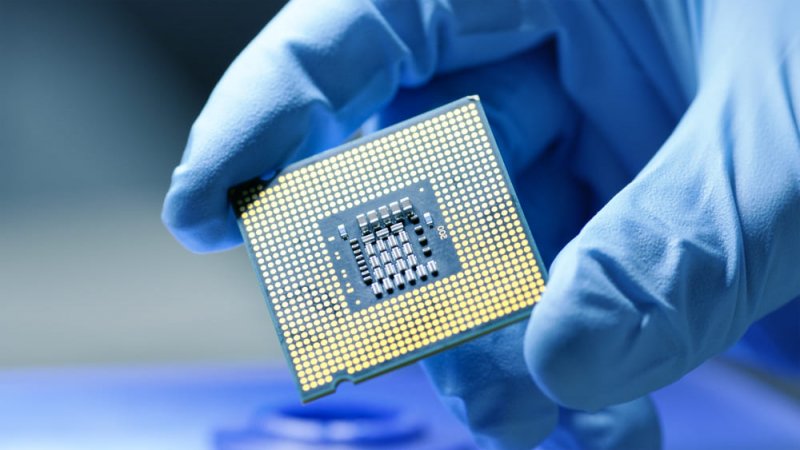
Semiconductors are materials used to control the flow of electricity inside electronic devices. They are the foundation of modern computing and digital technology.
Unlike conductors such as copper, which allow electricity to flow freely, or insulators such as rubber, which block electricity, semiconductors can regulate electrical current under controlled conditions.
RECOMMENDED STORIES
This unique property makes them ideal for creating electronic components called microchips or integrated circuits.
The most commonly used semiconductor material is silicon, which is why semiconductor factories are often called “silicon fabs” and why regions associated with technology industries became known as “Silicon Valley.”
Semiconductors are found in nearly every modern electronic product and system.
Why are semiconductors so important?
Semiconductors power the digital world.
Without semiconductors, modern technology as people know it would not function.
They are essential for:
- Smartphones
- Computers
- Artificial intelligence systems
- Cars
- Aircraft
- Medical devices
- Telecommunications
- Internet infrastructure
- Military systems
- Satellites
- Consumer electronics
- Industrial machinery
Microchips built from semiconductors act as the “brains” of electronic devices, processing information and controlling operations.
As technology becomes more advanced, demand for powerful semiconductors continues increasing rapidly.
How do semiconductors work?
Semiconductors work by controlling how electrons move through a material.
Engineers manipulate semiconductor materials through a process called “doping,” which adds tiny amounts of other elements to change electrical behavior.
This allows manufacturers to create components such as:
- Transistors
- Diodes
- Sensors
- Processors
- Memory chips
Modern microchips contain billions of microscopic transistors packed onto tiny surfaces.
These transistors switch electrical signals on and off at extremely high speeds, enabling computers and digital devices to perform calculations and process data.
What are microchips?
Microchips are small electronic circuits built using semiconductor materials.
A single chip can contain billions of transistors and perform highly complex tasks.
Different types of chips serve different functions:
- CPUs process general computing tasks
- GPUs handle graphics and AI workloads
- Memory chips store data
- Communication chips manage wireless signals
- Sensor chips collect environmental information
Microchips became smaller, faster, and more powerful over decades due to advances in semiconductor engineering.
This trend enabled the rapid growth of modern computing and digital communication.
Why are semiconductors critical for artificial intelligence?
Artificial intelligence systems require enormous computing power.
Training advanced AI models involves processing massive amounts of data through billions or trillions of calculations.
That requires highly specialized semiconductors capable of handling:
- Parallel processing
- High speed memory access
- Advanced mathematical operations
- Massive data throughput
AI chips became one of the most strategically valuable technologies in the world because they power:
- Generative AI systems
- Machine learning
- Autonomous vehicles
- Robotics
- Cloud computing
- Military AI systems
Countries and companies now compete intensely to secure leadership in AI related semiconductor technologies.
Why are semiconductors important for smartphones and computers?
Every smartphone and computer relies on semiconductors for core functionality.
Inside a smartphone, chips control:
- Processing power
- Cameras
- Internet connectivity
- Battery management
- Touchscreen functions
- GPS systems
- Security features
Computers similarly depend on semiconductors for:
- Central processing
- Graphics rendering
- Data storage
- Networking
- Memory management
As devices become more powerful and compact, semiconductor technology becomes even more important.
Why are semiconductors vital for the automotive industry?
Modern cars contain hundreds or even thousands of semiconductor chips.
They control systems such as:
- Engines
- Braking systems
- Navigation
- Safety sensors
- Airbags
- Entertainment systems
- Electric vehicle batteries
- Driver assistance technologies
Electric vehicles and autonomous driving technologies increased semiconductor demand dramatically because advanced vehicles require enormous amounts of computing capability.
During the global chip shortage after the COVID pandemic, automobile production around the world slowed because manufacturers could not obtain enough semiconductors.
This demonstrated how deeply the global economy depends on chip supply chains.
Why are semiconductors strategically important for governments?
Semiconductors are now viewed as critical national security assets.
Advanced chips are essential for:
- Military systems
- Intelligence operations
- Cybersecurity
- Space programs
- Communications infrastructure
- Economic competitiveness
Governments increasingly see semiconductor production as strategically important because countries dependent on foreign chip supplies could become vulnerable during geopolitical conflicts.
As a result, semiconductor manufacturing became a major geopolitical issue involving the United States, China, Taiwan, South Korea, Japan, and Europe.
Why is Taiwan so important in semiconductors?
Taiwan Semiconductor Manufacturing Company, commonly known as TSMC, is the world’s leading advanced semiconductor manufacturer.
Taiwan produces a large share of the world’s most sophisticated chips used in:
- Smartphones
- AI systems
- Data centers
- Military technologies
Because of this dominance, Taiwan became strategically critical to the global economy.
Many governments worry that geopolitical tensions involving Taiwan could disrupt global semiconductor supplies and trigger severe economic consequences worldwide.
This is one reason semiconductors are often described as the “new oil” of the digital age.
Why are semiconductors difficult to manufacture?
Semiconductor manufacturing is one of the most advanced industrial processes ever developed.
Chip production requires:
- Extremely clean environments
- Nanometer level precision
- Advanced machinery
- Huge investments
- Highly skilled engineers
- Complex global supply chains
Factories known as fabrication plants or “fabs” can cost tens of billions of dollars to build.
The manufacturing process involves hundreds of stages using advanced chemicals, lasers, lithography machines, and microscopic engineering techniques.
Only a small number of companies and countries possess the capability to produce the most advanced chips.
What caused the global semiconductor shortage?
The world experienced a major semiconductor shortage after the COVID 19 pandemic.
Several factors contributed:
- Factory shutdowns
- Supply chain disruptions
- Rising demand for electronics
- Growth in remote work
- Increased demand for gaming and cloud services
- Automotive industry recovery
The shortage affected industries worldwide, especially:
- Automotive manufacturing
- Consumer electronics
- Telecommunications
- Industrial equipment
The crisis revealed how dependent the global economy had become on a relatively small number of semiconductor suppliers.
Why are countries investing billions into semiconductor production?
Governments worldwide are investing heavily in domestic chip manufacturing to reduce dependence on foreign suppliers.
Major initiatives include:
- U.S. CHIPS Act
- European semiconductor programs
- China’s domestic chip investments
- South Korean semiconductor expansion
- Japanese technology partnerships
The goals include:
- Strengthening supply chain security
- Supporting national industries
- Enhancing technological competitiveness
- Reducing geopolitical vulnerability
Semiconductors are increasingly viewed not just as commercial products but as strategic infrastructure.
How do semiconductors affect everyday life?
Most people interact with semiconductors constantly without noticing.
They are embedded in:
- Phones
- TVs
- Refrigerators
- Internet routers
- Banking systems
- Traffic lights
- Smart watches
- Medical equipment
- Airplanes
- Online services
Modern society’s digital infrastructure depends heavily on reliable semiconductor production.
Even short disruptions can affect prices, manufacturing, transportation, and communication systems globally.
Why are semiconductors called the foundation of the digital economy?
The digital economy relies on processing, storing, transmitting, and analyzing data.
Semiconductors make all those activities possible.
Without chips:
- The internet would not function
- AI systems would not exist
- Smartphones would disappear
- Modern banking would collapse
- Cloud computing would fail
- Advanced medical technology would be impossible
Semiconductors effectively became the core infrastructure powering the modern world.
That is why competition over semiconductor technology has become one of the most important economic, political, and strategic battles of the twenty first century.
By Faig Mahmudov


Similar news