Cambodia regrets possible Thai exit from maritime MoU


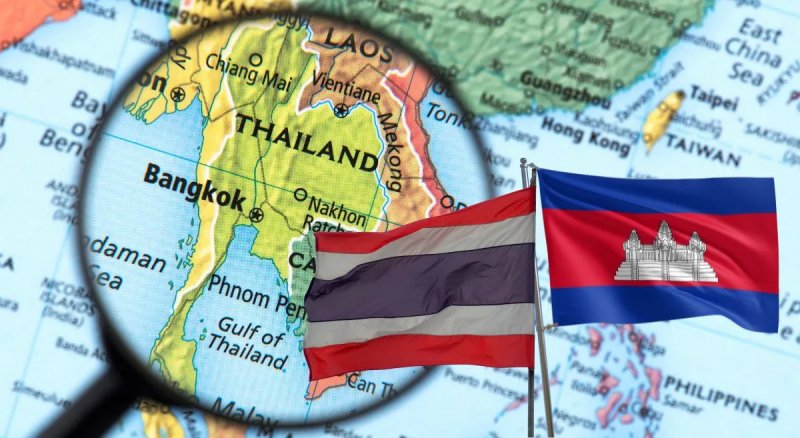
Cambodia has expressed deep regret over the possibility that Thailand may unilaterally withdraw from a maritime memorandum of understanding (MoU), according to a statement from Cambodia’s Ministry of Foreign Affairs and International Cooperation released on Saturday.
The statement referred to the 2001 MoU between Cambodia and Thailand regarding the Area of Their Overlapping Maritime Claims to the Continental Shelf (MoU-2001), signed in 2001, News.Az reports, citing Xinhua.
“It is deeply regrettable if Thailand decides to unilaterally withdraw from the MoU-2001,” the ministry said.
Cambodia added that the agreement was more than a technical arrangement, describing it as reflecting the “genuine will and common interest” of both countries to pursue, in good faith, a mutually acceptable framework for jointly exploiting resources in the overlapping claims area, while also working toward maritime boundary delimitation in accordance with international law.
RECOMMENDED STORIES
The statement further warned that a unilateral Thai withdrawal would represent a departure from the cooperative spirit that underpinned the agreement’s signing.
Cambodia said it remains “firmly and consistently committed” to both the letter and spirit of the MoU-2001, as well as the goodwill that guided its conclusion in 2001.
The remarks came after Thai Prime Minister Anutin Charnvirakul said on Thursday that the National Security Council had confirmed the abolition of the maritime MoU with Cambodia, originally signed during the tenure of former Prime Minister Thaksin Shinawatra. He added that the cabinet would review the decision soon.
According to Thai procedures, National Security Council resolutions must be approved by the cabinet before taking effect.
Royal Thai Navy Chief of Staff Thadawut Thatpitakkul said the MoU was being abolished because it had been in place for many years without progress. He also noted that since Cambodia is now a party to the United Nations Convention on the Law of the Sea, both countries could continue negotiations under that framework.
By Nijat Babayev


Similar news