Canada Arctic plan sparks debate over defense vs services


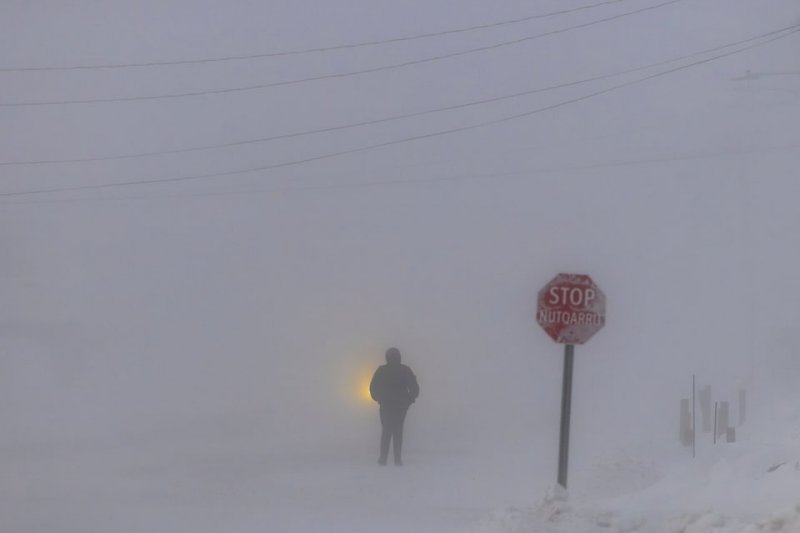
In the remote northern community of Cambridge Bay, daily life remains defined by limited infrastructure, scarce healthcare and extreme isolation, even as Canada prepares a major military expansion in the region.
With a population of about 2,000, the Arctic hamlet has no resident doctors, relies on visiting dentists twice a year and often requires residents to fly hours south for basic medical care, including childbirth, News.Az reports, citing Reuters.
Military investment meets local frustration
Canada’s government, led by Prime Minister Mark Carney, has announced plans to spend more than C$2 billion to establish new northern military hubs, including one in Cambridge Bay.
The initiative is part of a broader strategy to increase Arctic defense spending, with total investments exceeding C$35 billion aimed at strengthening sovereignty and military readiness in a region becoming more strategically important.
However, many local residents say their immediate needs lie elsewhere.
Community members have voiced frustration that essential services such as healthcare, maternity facilities and basic infrastructure remain underdeveloped, arguing that these priorities should come before military expansion.
Strategic concerns drive Arctic push
The government’s Arctic strategy comes amid rising geopolitical tensions. Increased activity by Russia and China in the Arctic, along with pressure from Donald Trump for greater defense spending, have accelerated Ottawa’s focus on the region.
Climate change is also reshaping the Arctic, making previously inaccessible areas more open to shipping, resource exploration and military operations.
Canada controls roughly a quarter of the world’s Arctic territory, yet the region remains sparsely populated and underdeveloped compared to other Arctic nations.
Indigenous concerns over development and rights
Indigenous communities, particularly Inuit populations, form the majority of residents in the Arctic and have long raised concerns about underinvestment and limited economic opportunities.
Leaders warn that increased militarization could disrupt traditional ways of life without delivering tangible improvements in living conditions.
Natan Obed emphasized that Arctic communities themselves are central to Canada’s sovereignty and should be prioritized in funding decisions.
Historical experiences also weigh heavily. During the Cold War, forced relocations and controversial policies left lasting trauma among Indigenous populations, fueling skepticism about new government initiatives.
Infrastructure gaps and social challenges persist
The Arctic region covers vast territory but has fewer than 150,000 residents, with limited transport links and virtually no all season roads connecting communities.
Economic disparities remain stark. Indigenous populations in the region face higher unemployment, food insecurity and housing shortages compared to the national average.
Health outcomes are also significantly worse, with much higher rates of diseases such as tuberculosis and shorter life expectancy.
Balancing development with environmental risks
Government backed infrastructure projects, including roads and ports connecting mineral rich areas to global markets, are intended to boost economic activity.
However, local communities have raised environmental concerns, particularly regarding the potential impact on wildlife such as caribou, which are vital for food and cultural practices.
Some leaders argue that development plans have moved forward without sufficient consultation, calling for stronger engagement with Indigenous communities.
Mixed reactions to Arctic strategy
While some local officials see the military investment as a potential turning point that could bring jobs and infrastructure, others remain cautious.
Residents acknowledge the need for greater security in an increasingly competitive Arctic environment, but stress that development must prioritize community wellbeing.
For many in Cambridge Bay and across Canada’s far north, the debate reflects a broader question: whether strategic ambitions can be aligned with the urgent social and economic needs of the people who call the Arctic home.
By Faig Mahmudov


Similar news