China voices concern over Japan's defense policy shift


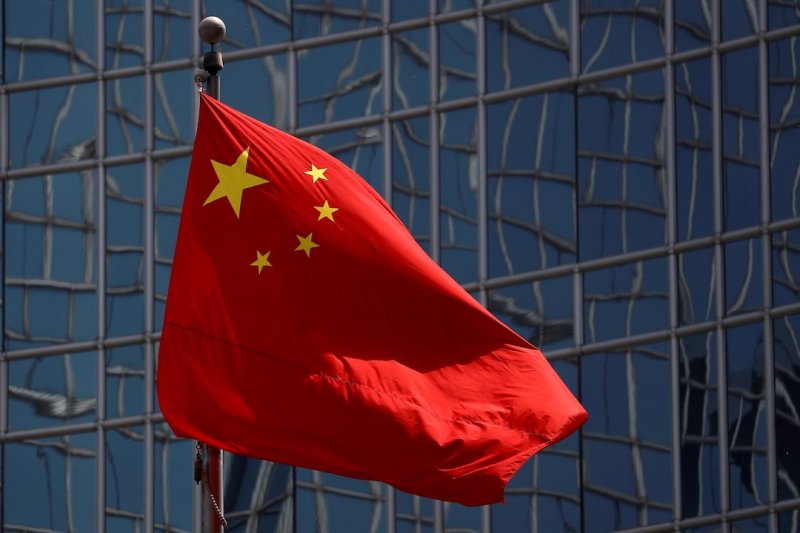
China on Wednesday voiced strong concern over Japan’s latest defense policy proposals, warning that Tokyo’s military buildup is becoming “increasingly serious” and poses risks to regional stability, News.Az reports, citing Anadolu.
Commenting on a draft proposal adopted by Japan’s ruling Liberal Democratic Party (LDP), Chinese Foreign Ministry spokesperson Lin Jian said the document reflected attempts by some forces in Japan to pursue remilitarization, break away from post-war norms, and accelerate military expansion.
The proposal, Lin said in his regular briefing, is expected to be submitted to Prime Minister Shigeru Ishiba by the end of June. It calls for substantial increases in defense spending, citing a deteriorating security environment, including China’s military modernization and NATO’s benchmark of spending 3.5% of GDP on defense.
RECOMMENDED STORIES
It also advocates strengthening counterstrike capabilities, developing defenses against large-scale saturation attacks, introducing next-generation submarines capable of carrying long-range missiles, reinforcing reliance on the US nuclear deterrent, and ensuring Japan can sustain combat operations for at least one year.
Lin said “China and the international community are deeply concerned and highly vigilant about this development,” accusing Japan of exaggerating regional threats to justify military expansion.
Japan has steadily increased defense spending in recent years and revised key security strategies in 2022 to allow the acquisition of long-range strike capabilities, marking its most significant defense shift since World War II.
Tokyo argues these measures are necessary amid growing security challenges, including China’s expanding military activities in the East China Sea and around Taiwan.
China, however, maintains that Japan’s security policy is becoming increasingly offensive and expansionary, warning that the trend challenges the post-war international order and warrants close international scrutiny.
By Nijat Babayev


Similar news