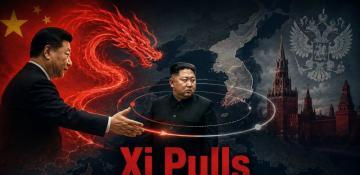
China reclaims Pyongyang: Xi sends a warning to Moscow


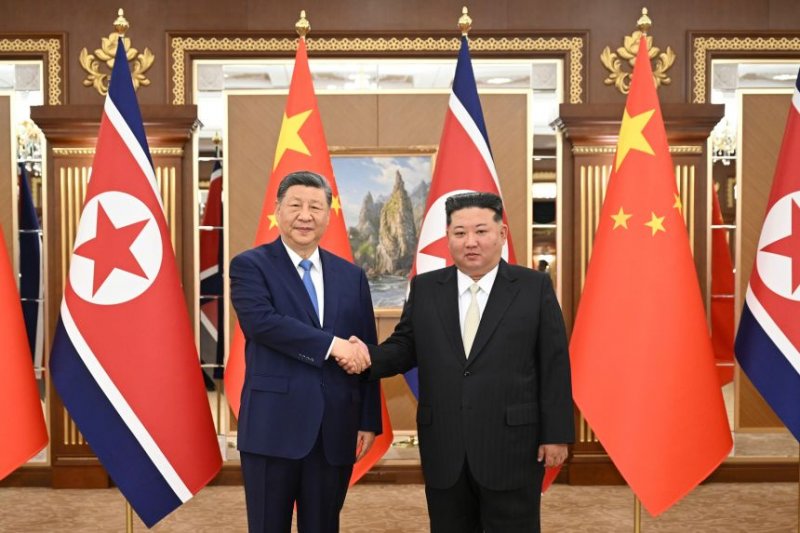
Chinese President Xi Jinping’s visit to North Korea on 8–9 June was one of the most significant diplomatic developments of the year in East Asia. It marked the Chinese leader’s first trip to Pyongyang in seven years and his first foreign visit in 2026.
According to analysts cited by Reuters, the main outcome of the visit is less about formal agreements and more about the political message it sends. In recent years, Pyongyang has noticeably moved closer to Russia, gaining new military, economic, and technological opportunities through its ties with Moscow. This has created a risk for Beijing of gradually losing influence over its traditional ally. Xi’s visit signaled that China does not intend to cede North Korea to other centres of power.
Following the talks, Xi and North Korean leader Kim Jong Un announced that they had reached an “important consensus” and that bilateral relations had entered a “new historical stage.” They also declared plans to expand cooperation in areas including the economy, trade, agriculture, science, construction, and cultural exchanges. Media reports suggested that Xi received an enthusiastic welcome in Pyongyang, which is unsurprising given that visible support from a major power such as China carries significant weight for North Korea.
RECOMMENDED STORIES
Ahead of his arrival in Pyongyang, Xi Jinping published an article in the North Korean newspaper Rodong Sinmun. In it, he stated that relations between the two countries had entered a “new historical stage.” He also called for “resistance to hegemony, authoritarianism, and any attempts and plots to revive militarism that threaten regional security and stability.”
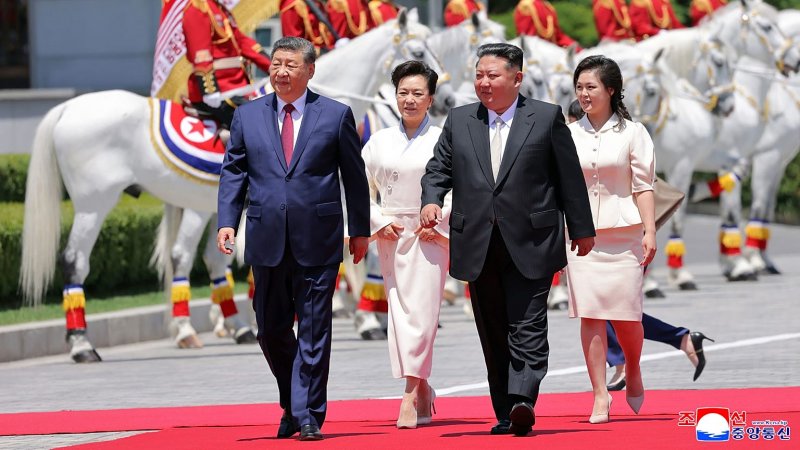 Source: KCNA
One of the key questions among analysts ahead of the visit was whether Xi would raise North Korea’s nuclear programme. Based on information that has emerged in the media, the issue was not publicly discussed — or, more precisely, it was likely addressed privately behind closed doors. This contrasted with what Washington had expected from the Chinese leader. Following Donald Trump’s visit to China in May, the United States stated that North Korea’s nuclear disarmament remained a shared objective of Washington and Beijing, and that both sides had agreed to work towards it both separately and jointly.
As the BBC notes, during Xi’s previous visit to North Korea in 2019, Beijing supported tougher UN Security Council sanctions against Pyongyang as part of the US “maximum pressure” campaign against Kim Jong Un. However, the situation has changed significantly since then. Negotiations between Washington and Pyongyang over North Korea’s nuclear programme have stalled, while China has strengthened its position after weathering Trump’s trade war with the United States.
For North Korea, Chinese support is critical for several reasons. First, China remains its largest trading partner. Second, the overwhelming majority of North Korea’s foreign trade is conducted through China. Third, Pyongyang relies on Beijing for investment in infrastructure, energy, and agriculture. For China, meanwhile, North Korea serves as a buffer between its territory and US allies South Korea and Japan.
Against this backdrop, expectations that Xi would pressure Pyongyang to scale back its nuclear programme during the visit appeared unrealistic. AP News notes that Beijing is gradually adapting to the reality that North Korea is already treated as a de facto nuclear state. While China does not officially recognise this status, it appears increasingly reluctant to exert pressure on the issue.
It is also noteworthy that Pyongyang and Beijing have, albeit quietly, signalled that US actions in the region are pushing them towards maintaining a strategic partnership. Such cooperation is viewed as essential to their security, particularly amid strengthening US-Japanese ties, increased US military activity in the Asia-Pacific region, and expanding trilateral cooperation among the United States, South Korea, and Japan.
 Source: Shutterstock
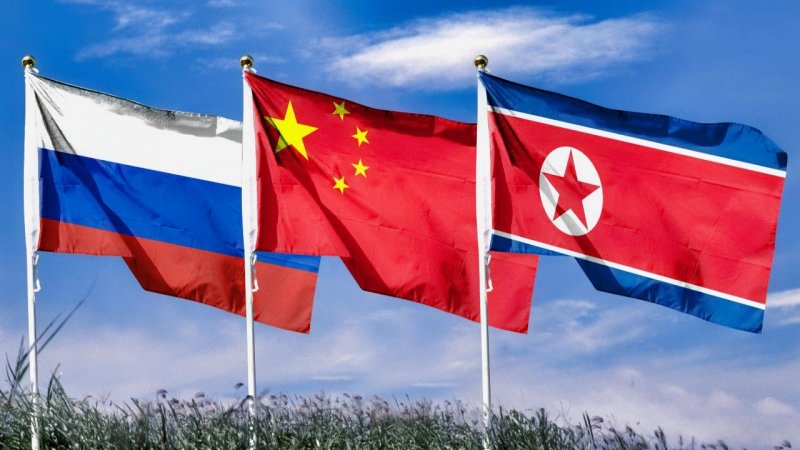
Some analysts also believe Beijing is sending a message to Moscow. As North Korea deepens its ties with Russia, China is signalling that Pyongyang cannot make major strategic decisions without taking Beijing’s position into account. China remains North Korea’s principal economic backer. Through this visit, Xi Jinping appears to have sought to restore balance in a situation that had begun to tilt towards a stronger North Korea–Russia partnership.
From this perspective, North Korea may stand to benefit from the recalibration. Support from the world’s second-largest economy is arguably far more important than cooperation with Moscow, which offers more limited practical benefits. While closer ties with Russia may damage Pyongyang’s international image, alignment with Beijing, by contrast, enhances its geopolitical weight. North Korea has sought to diversify its external dependencies, and to some extent, it has achieved that objective.
In assessing the outcomes of the visit, analysts broadly agree on one conclusion: China has formally re-entered the North Korean equation and reminded all regional actors that Pyongyang remains within Beijing’s strategic sphere of influence.
No major economic breakthroughs or large-scale agreements were announced. Most likely, none were expected. Nevertheless, the political significance of the visit is substantial. Beijing has demonstrated that it has no intention of stepping back from the Korean Peninsula and is prepared to play a more active role in regional affairs. Pyongyang, in turn, has been given an opportunity to demonstrate loyalty to its powerful neighbour and reaffirm that, despite its growing ties with Russia, it will continue to rely heavily on Chinese support.
By Tural Heybatov


Similar news