China’s Li criticizes tariffs as trade surplus sparks global tensions


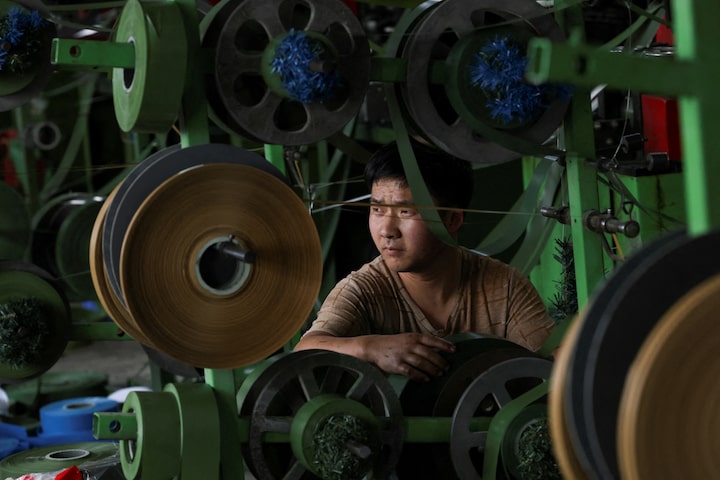
Chinese Premier Li Qiang urged trading partners to reject rising protectionism on Tuesday, following reports that China posted a record $1 trillion trade surplus fueled by a surge of exports to non-U.S. markets.
Speaking at the “1+10 Dialogue” in Beijing, which included officials from the OECD and International Labour Organization, Li called on the heads of the IMF, World Bank, and WTO to strengthen global governance to counter the proliferation of tariffs worldwide, News.Az reports, citing Reuters.
“Since the beginning of the year, the threat of tariffs has loomed over the global economy, with various trade restrictions severely impacting global economic activity,” Li said.
“The mutually destructive consequences of tariffs are becoming increasingly apparent, and calls from all sides to uphold free trade are growing ever stronger.”
Analysts say China’s massive trade surplus and its continued reliance on an export-driven growth model are driving the rise of global tariffs. While international pressure for Beijing to reform is mounting, experts see little incentive for China to shift away from its current approach.
Global tensions are rising. French President Emmanuel Macron reportedly threatened China with tariffs during a state visit last week, coinciding with the European Commission’s plan to bolster resilience against threats such as rare earth shortages and dumped imports.
“China is not taking any action, and I think has no intention to do so,” said Alicia Garcia-Herrero, senior fellow at Bruegel.
“Its export-driven model is going to contribute around 40% of global growth in 2025. There is no reason for such a big contribution to external demand.”
China’s trade data shows the strategy to diversify exports following Trump’s 2024 U.S. election victory is bearing fruit, with shipments to Europe, Australia, and Southeast Asia surging.
“U.S. import tariffs have diverted Chinese exports to other destinations, exacerbating competitive pressures,” said Fred Neumann, chief economist for Asia-Pacific at HSBC. “Tariffs distort trade flows but don’t address fundamental macro-imbalances.”
Despite pledges to stimulate domestic demand and reduce reliance on manufacturing exports, analysts say China is unlikely to abandon its production-focused model in the near term. Without significant policy easing, other countries may impose additional trade barriers to shield their own exporters.
“The pressure is mounting, and China is not ready to respond,” Garcia-Herrero added.
China’s growth is projected at about 5% in 2025, and policymakers appear to prefer targeted infrastructure spending over broad stimulus measures. Meanwhile, global trading partners continue to urge Beijing to adopt reforms to reduce external dependencies and alleviate mounting trade tensions.


Similar news