China’s Premier makes landmark visit to Zambia as global powers compete for influence


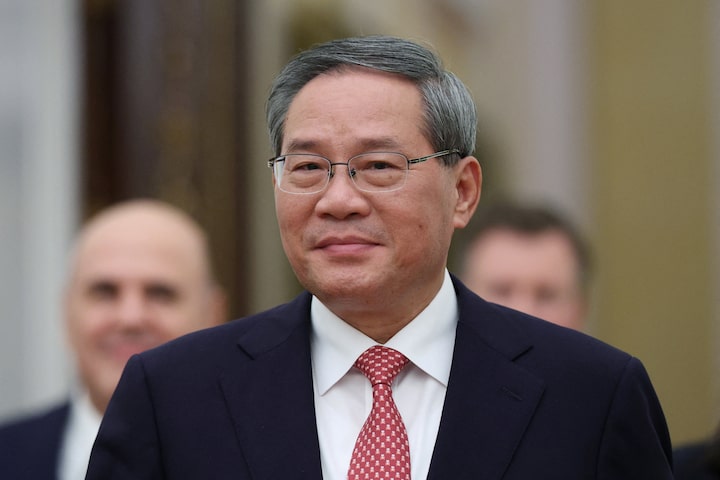
China’s Premier Li Qiang arrived in Zambia on Wednesday, marking the first visit by a Chinese premier in 28 years. The trip comes as Zambia emerges from a prolonged financial crisis and becomes a focal point of geopolitical competition between Beijing and Western powers seeking influence in the mineral-rich nation.
Zambia, which recently completed a $13.4 billion debt restructuring, is China’s largest African debtor, owing Beijing $5.7 billion. China is expected to use the visit to highlight Zambia as a model participant in President Xi Jinping’s Belt and Road Initiative and to demonstrate how African economies can rebound with Chinese support, News.Az reports, citing Reuters.
Li’s arrival in Lusaka reflects Beijing’s push to deepen its footprint in one of Africa’s most strategic and copper-rich states, even as the United States and European Union intensify their efforts to position themselves as alternative partners. With debt repayments now back on a sustainable path, Zambia is shifting its focus from loans to attracting large-scale investment for mining expansion, infrastructure upgrades and industrial capacity.
China, for its part, seeks to expand exports of tractors, construction machinery, and electrical equipment to Zambia. The World Bank forecasts Zambia’s economy to grow 6.5% next year, outpacing its 5% average growth over the past two decades.
Analysts say Li Qiang’s visit underscores China’s determination to retain its strategic influence. Eric Olander, co-founder of the China-Global South Project, noted that both President Hakainde Hichilema and Chinese mining companies need political support, especially after a February incident in which a Chinese-operated copper plant leaked 50,000 cubic meters of contaminated water into the Kafue River — an issue now shaping Zambia’s election debate.
Olander added that China recently approved major refurbishment of the Tazara Railway, a line originally financed in the 1970s to connect Zambia’s copper deposits to Tanzania’s coast. The project is widely viewed as a counterweight to the U.S.- and EU-backed Lobito Corridor, which seeks to build a competing trade route through Angola and the Democratic Republic of the Congo.
China’s ambassador to Zambia, Han Jing, said Li’s visit is expected to produce dozens of new cooperation agreements. In a statement, he praised the impact of Chinese aid and investment, calling it a driving force for Zambia’s economic transformation. Han encouraged Lusaka to leverage China’s technological and economic capabilities to strengthen domestic resilience.
Across Africa, governments have increasingly shifted their focus from borrowing to attracting investment after the COVID-19 pandemic left many countries struggling with debt burdens. Zambia’s restructuring process was particularly lengthy due to the large number of Chinese lenders involved, complicating negotiations.
Despite the challenges, Chinese companies have invested about $6 billion in Zambia over the past two decades, primarily in metals and mining. They now face mounting competition from Western companies as global interest in Africa’s critical minerals surges. Earlier this month, the European Union’s top development official visited Zambia to announce new investments in transportation, energy, agriculture and raw materials linked to the Lobito Corridor.
The United States has also stepped up engagement. Donald Trump Jr., the eldest son of U.S. President Donald Trump, met with President Hichilema on Sunday, according to a post on the Zambian leader’s X account — an indication of Washington’s growing interest in Zambia’s political and economic landscape.


Similar news