Could the Caspian Sea crisis reshape regional diplomacy and trade? — FAQ


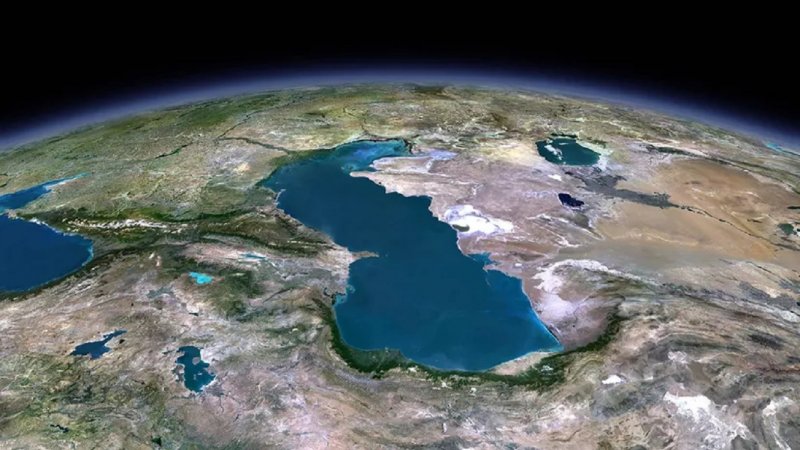
Over the past decade, the Caspian Sea has been undergoing one of the most dramatic environmental shifts in its modern history. Water levels have been declining rapidly, with experts warning that the sea could lose up to 9–18 meters by the end of the century if current climatic trends persist.
Several factors contribute to this decline:
- reduced inflow from the Volga River, which supplies nearly 80% of all water entering the Caspian
- rising temperatures and accelerated evaporation
- declining precipitation across the basin
- intensified industrial water use
This combination has transformed a regional environmental issue into a geopolitical one.
Why is this important now?
Because the decline is no longer theoretical — it is already affecting:
- ports in Kazakhstan and Turkmenistan
- shipping routes across the eastern Caspian
- oil and gas loading terminals
- fishing and aquaculture zones
- coastal infrastructure
And most importantly — it threatens the functionality of the Middle Corridor (TITR), which relies on stable maritime operations between Kazakhstan, Azerbaijan, and Turkmenistan.
What was once an academic concern has become a strategic challenge with direct economic, logistical, and political consequences.
Which countries are most affected?
All five littoral states feel the impact, but the severity differs.
Azerbaijan
- risks for Alat Port expansion
- long-term threats to shipping lines connecting Baku–Aktau–Turkmenbashi
- environmental concerns for Absheron Peninsula
Kazakhstan
- Aktau and Kuryk ports face reduced water depth
- shipping schedules disrupted
- increased dredging costs
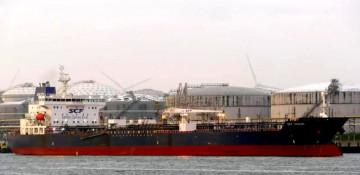
- challenges for oil transport via tankers
Turkmenistan
- Turkmenbashi port’s operations depend on constant dredging
- declining fish stocks
Russia
- Volga Delta degradation
- Astrakhan port potentially facing reduced navigability
Iran
- Northern ports receiving less cargo
- increased salinity affecting marine life
In short: no country remains unaffected, but Central Asian states face the most direct economic risks.
How does this crisis affect regional trade?
The Caspian is central to East–West and North–South routes:
- Middle Corridor (TITR)
- Kazakhstan–Azerbaijan multimodal freight lines
- Kazakhstan–Turkmenistan–Iran railway+sea integration
- Russia–Iran North–South route
Falling water levels disrupt:
- shipping timetables
- cargo capacities
- tanker operations
- ferry routes
- port infrastructure planning
A decrease of only 1 meter already means:
- limited access for large vessels
- lower freight turnover
- higher shipping insurance costs
- delays in multimodal logistics
If decline continues, maritime trade may become seasonal or restricted — dramatically increasing regional transport costs.
Could the Caspian crisis reshape regional diplomacy?
Yes — and it is already happening.
- Intensified regional coordination
Environmental threats force Azerbaijan, Kazakhstan, Turkmenistan, Russia, and Iran to cooperate more closely.
Even political rivals understand that climate has no borders.
- Shift in negotiating power
Countries with advanced port infrastructure (Azerbaijan, Kazakhstan) may set new rules and standards for trans-Caspian logistics.
- New alliances within Central Asia
Caspian issues push Kazakhstan, Uzbekistan, and Turkmenistan to expand trilateral cooperation on logistics and environmental policy.
- Greater involvement of external actors
EU, Türkiye, China, and international organizations may invest in environmental monitoring and maritime logistics.
- Revisiting the Caspian Sea Convention
Declining water levels could trigger new interpretations of seabed boundaries, potentially affecting resource rights and zones.
Environmental changes may become a new driver of diplomacy, similar to how energy once defined regional politics.
How will the crisis impact major infrastructure projects?
Alat Port (Azerbaijan)
- long-term plans may require redesigning access channels
- deeper dredging
- investment in new logistics clusters
Aktau & Kuryk (Kazakhstan)
- rising maintenance costs
- redesign of berths
- possible limits on vessel size
Turkmenbashi Port
- constant need for dredging
- higher operational costs
Trans-Caspian International Transport Route
- potential delays
- re-routing cargo
- increased reliance on rail alternatives
The economic impact could reach billions if water decline continues unchecked.
What about regional energy cooperation?
Oil and gas operations depend heavily on:
- tanker transport
- coastal terminals
- offshore fields
Falling sea levels mean:
- increasing costs for maintaining platforms
- adjustments in pipeline design near shorelines
- shorter operational windows for tankers
- higher environmental risks
This could influence future decisions on:
- new offshore exploration
- joint ventures
- pipeline investments
Energy companies in Kazakhstan and Azerbaijan are already conducting new environmental risk assessments.
Is this strictly an environmental problem?
No.
It is simultaneously:
- an environmental crisis
- a transport and logistics challenge
- an economic disruption
- a diplomatic trigger
- a security concern (competition for resources)
Such multi-layered crises usually reshape regional politics — just like the Aral Sea collapse changed Central Asia in the 1990s.
What solutions are being discussed?
- Joint environmental monitoring system
(Already initiated by Azerbaijan, Kazakhstan, and Turkmenistan.)
- New dredging programs
Massive investment needed to keep ports functional.
- Alternative dry ports
Kazakhstan and Uzbekistan exploring new hubs to reduce reliance on sea shipping.
- Modernization of the Middle Corridor
Adjusting the infrastructure to lower water levels.
- Climate-focused diplomacy
EU and UN offering joint programs.
But no solution can fully stop the decline — only mitigate it.
Could the Caspian crisis reshape the geopolitical balance?
Yes — in several ways:
Azerbaijan
Strengthens its role as a multimodal hub, as Baku becomes indispensable for adapting regional routes.
Kazakhstan
Faces pressure to accelerate logistics diversification → deeper ties with Azerbaijan + Türkiye.
Russia
Loses influence over Caspian shipping as its segment becomes shallower and less predictable.
Iran
May use the crisis to demand investment in its transport network as an alternative.
Overall, the crisis pushes regional players toward new alignments and new dependencies.
What happens next?
Three likely scenarios:
- Managed adaptation (most likely)
Countries invest in dredging, port upgrades, railway expansion → crisis becomes manageable.
- Accelerated decline (medium risk)
Water continues falling → maritime trade shrinks → transport costs rise sharply → geopolitical competition intensifies.
- Strategic realignment (long-term)
Decline forces new alliances, new agreements, and new infrastructure configurations — reshaping the map of Eurasian trade.
Conclusion
The Caspian Sea crisis is no longer an environmental issue — it is a strategic reality that will influence transport, energy, diplomacy, and security across Central Asia and the South Caucasus.
How states respond today will determine whether the region adapts successfully or faces long-term instability.


Similar news