Cuba faces greater vulnerability following Maduro's capture


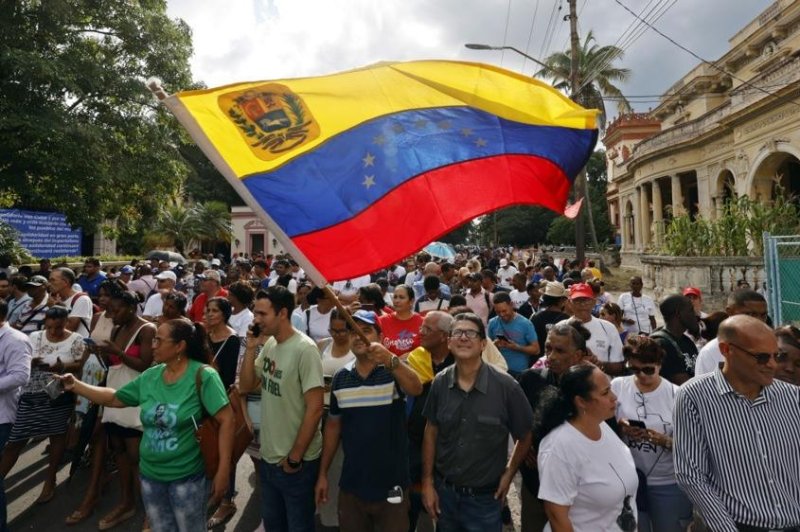
Political uncertainty in Cuba intensified this week after U.S. forces captured Venezuelan President Nicolas Maduro and after Secretary of State Marco Rubio warned that the government in Havana "is in serious trouble" and that its leaders "should be concerned."
In his remarks, Rubio underscored the involvement of Cuban officials in the security and intelligence apparatus of the Venezuelan government, reinforcing the perception that Havana faces a scenario of increased external pressure at a time of pronounced internal fragility, News.Az reports, citing foreign media.
Although analysts and academics consulted by UPI largely rule out a direct U.S. military intervention on the island in the short term, they agree that the new regional context opens the door to an intensification of economic, diplomatic and strategic pressure, taking advantage of the weakening of Cuba's main allies and the shift in power in Venezuela.
For Alberto Rojas, director of the Observatory of International Affairs at Finis Terrae University in Chile, developments in Caracas will have an immediate and profound impact on Havana.
"With the capture of Nicolas Maduro and the concessions made by Venezuela's new government to Washington, Cuba loses its main ally in Latin America," Rojas said.
Rojas said one of the most sensitive effects would be a potential cut in Venezuelan oil supplies, a key factor in Cuba's economic survival over the past two decades.
"The most likely scenario is that this flow changes, declines or even stops altogether, which could trigger an even more severe energy crisis," he warned. Cuba currently faces daily power outages of between five and nine hours in Havana, directly affecting quality of life, economic activity and strategic sectors such as tourism.
From this perspective, Maduro's removal represents not only a political loss for Havana, but also a material one. Unlike Venezuela, Cuba lacks strategic natural resources that could attract direct economic interest from Washington, limiting its room for maneuver and making it more vulnerable to external pressure.


Similar news