Diesel price surge from Iran conflict strains US schools’ finances


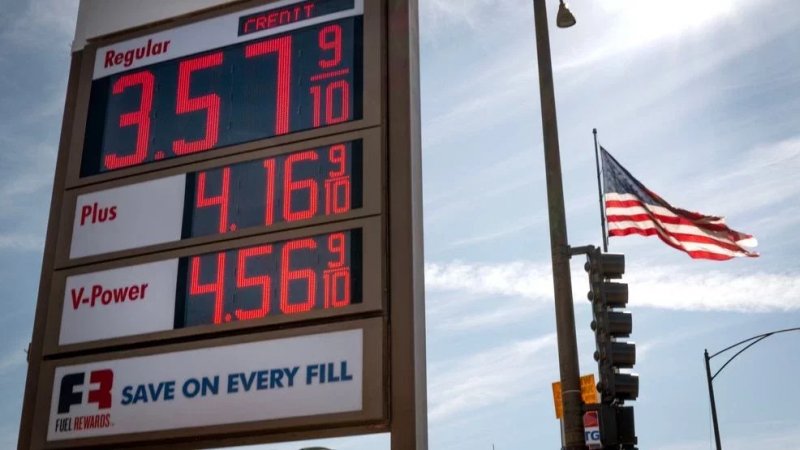
Rising diesel prices due to the Iran war are straining U.S. school district budgets, making student transportation and generator use increasingly costly—expenses officials warn may soon become unaffordable.
School districts from Yakima, Washington to Waco, Texas are tapping emergency funding reserves to keep buses running. In remote Alaska, officials are scrambling to secure enough fuel to keep the lights on, according to Reuters interviews, News.Az reports.
RECOMMENDED STORIES
"It's more than a straw on the camel's back, it's like a haystack," said Yakima Superintendent Trevor Greene. The stress reflects one of many knock-on impacts of the U.S.-Israeli war on Iran, which has disrupted the flow of around a fifth of the world's oil supplies.
Since the war started in late February, fuel prices have posted one of their most rapid climbs on record. The spike has upended economies around the globe. It has caused enough pain in the U.S. to be a political liability for President Donald Trump ahead of November midterm elections when his Republican party is trying to maintain slim majorities in the U.S. Congress.
U.S. school bus operators are major buyers of diesel, consuming more than 800 million gallons of diesel annually, according to the American School Bus Council.
Since December, the price U.S. fleets of all types pay for diesel fuel has jumped 67% to $5.52 a gallon, an increase that would add about $1.8 billion to the annual cost of operating those school buses, according to a recent analysis by fleet management technology provider Samsara.
That's a huge challenge for schools already facing tight budgets, said James Rowan, executive director of the Association of School Business Officials International.
"Districts can plan for higher costs, but rapid swings in prices make it very difficult to budget accurately," he said. "Even districts that have been able to absorb costs this year through reserves or temporary measures - they may not have that same flexibility going forward."
Close to a third of U.S. school districts are now siphoning money away from other funds or programs to cover their increased fuel costs, while almost a fifth are tapping reserves or rainy day funds, according to a survey of 188 school officials commissioned by the School Superintendents Association known as AASA and conducted during the week of May 4.
School officials are trying to save money by consolidating bus routes, enforcing anti-idling measures, changing fuel purchasing practices, deferring maintenance work and reducing administrative spending and staffing, according to the survey, the results of which were shared exclusively with Reuters.
By Ulviyya Salmanli


Similar news