Dollar jumps as Trump Iran stance boosts safe-haven demand, markets turn cautious


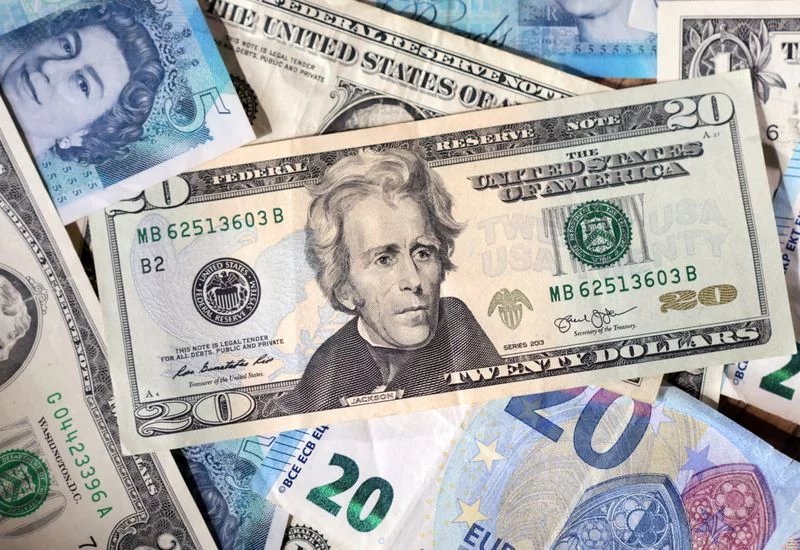
The US dollar strengthened sharply on Thursday, reversing two sessions of losses as escalating tensions over Iran pushed investors back towards safe-haven assets.
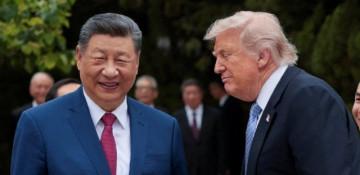
The shift in sentiment followed remarks by Donald Trump, who signalled a more aggressive military approach and dampened expectations of a near-term resolution to the conflict, News.Az reports, citing CNN.
Safe-haven demand drives dollar rebound
The dollar rose broadly, gaining even against traditional safe-haven currencies such as the Swiss franc and the Japanese yen.
It climbed 0.6 percent against the Swiss franc, while advancing 0.5 percent against the yen to 159.57, approaching the psychologically significant 160 level that often raises concerns of intervention by Japanese authorities.
The US Dollar Index, which tracks the greenback against a basket of major currencies, rose 0.46 percent to 100.02.
Analysts said the move reflects a renewed flight to safety as geopolitical risks intensify.
Trump remarks unsettle markets
Investor optimism earlier in the week had been driven by hopes of a de-escalation in the Middle East conflict. However, Trump’s latest address undermined that outlook.
He pledged intensified strikes on Iran over the next two to three weeks and offered no clear timeline for reopening the Strait of Hormuz, a key global energy artery.
Iran responded with warnings of broader and more destructive retaliation, further heightening market anxiety.
Market strategists say the outlook now hinges heavily on perceptions of how long the conflict will last.
Major currencies retreat
The euro fell 0.45 percent to 1.1536 dollars, while the British pound declined 0.63 percent to 1.3222 dollars, both giving up recent gains.
The Australian dollar also weakened, slipping 0.3 percent against the US currency.
Analysts noted that most G10 currencies reversed earlier advances as investors repositioned in response to geopolitical developments.
Oil prices surge amid supply fears
Energy markets reacted strongly to the heightened tensions.
Brent crude prices jumped nearly 8 percent to settle above 109 dollars per barrel, reflecting concerns over prolonged supply disruptions.
The conflict has raised fears about the stability of global oil flows, particularly through the Strait of Hormuz, which carries a significant share of the world’s energy exports.
Focus turns to US economic data
Investors are now closely watching upcoming US economic indicators, particularly the non-farm payrolls report, for further direction on monetary policy.
Expectations point to a modest increase of around 60,000 jobs for March, which could influence the trajectory of interest rates set by the Federal Reserve.
US Treasury yields, which initially rose after Trump’s remarks, later eased, with the benchmark 10 year yield slipping to around 4.3 percent.
Crypto markets under pressure
Cryptocurrencies also came under pressure amid the risk-off sentiment.
Bitcoin fell about 1.7 percent to just above 67,000 dollars, while Ethereum dropped nearly 4 percent to around 2,058 dollars.
Outlook shaped by geopolitics
Analysts say markets are currently being driven primarily by geopolitical developments rather than traditional economic fundamentals.
With uncertainty surrounding the conflict’s duration and potential escalation, investors are likely to remain cautious, favouring defensive assets until clearer signals emerge.
By Faig Mahmudov


Similar news