Ebola, hantavirus expose world’s lag in risk preparedness, expert warns


The deadly hantavirus and Ebola outbreaks highlight that while global responses to declared public health emergencies have improved, awareness and preparedness for pandemic risks still lag behind, according to a leading pandemic expert, News.Az reports, citing AFP.
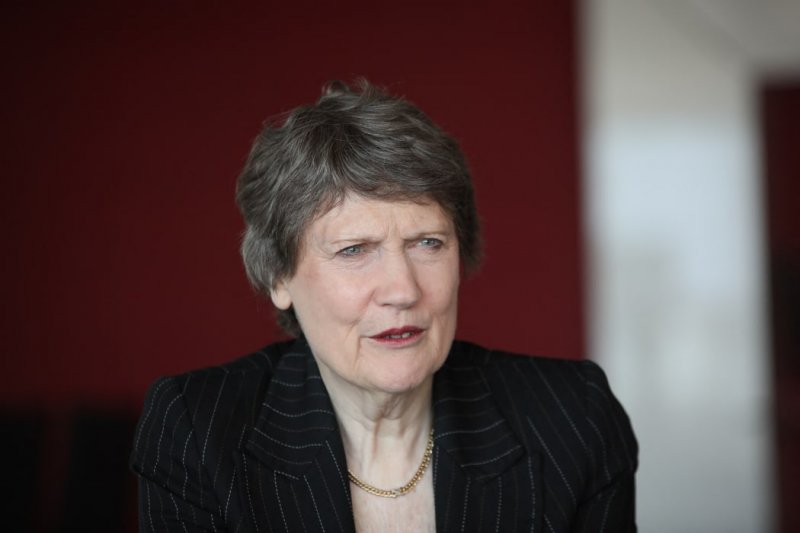
More than six years after the World Health Organization declared the Covid-19 pandemic, international efforts to strengthen public health crisis response systems have enhanced reactions to outbreaks such as hantavirus and Ebola, said Helen Clark, former New Zealand prime minister and co-chair of the Independent Panel for Pandemic Preparedness and Response.
Speaking in an interview with AFP in Geneva, Clark said: “The new international health regulations are working.”
RECOMMENDED STORIES
She noted that once alerts were issued last Friday regarding a new Ebola outbreak in the Democratic Republic of Congo, and when information emerged weeks earlier about a rare hantavirus outbreak aboard the MV Hondius cruise ship in the Atlantic, “the response has gone quite well.”
However, she emphasized that the main challenge now lies earlier in the process.
“Our issue is now really upstream from that,” she said, stressing the need for much stronger work on identifying risks and understanding how such outbreaks emerge and spread.
“I think we need a lot more knowledge around risk-informed preparedness,” Clark added, calling for greater attention to assessing potential risks, understanding what could emerge, and ensuring readiness to respond.
She also warned that “those basic issues of surveillance, early detection… we’re not there yet.”
Clark noted that the hantavirus species responsible for the cruise ship outbreak, which triggered global concern after three deaths, was known to be endemic in the region of Argentina from which the vessel departed.
“But we’re not clear how much was known about that by ships who depart regularly from there,” she said.
Regarding the Ebola outbreak in the Bundibugyo region of the Democratic Republic of Congo, which is believed to have killed more than 130 people in a remote province, Clark said it appeared to have spread undetected for weeks, partly because initial tests were focused on a different strain that returned negative results.
“How could this have gone for four to six weeks… spreading while not getting the testing results that we needed to show that it was a particular variant?” she asked.
Clark called for a thorough investigation into the sequence of events and what lessons can be learned to strengthen global preparedness and response capacity.
Clark highlighted that the Ebola outbreak especially had laid bare the dire impact dramatic global aid cuts had on disease prevention efforts.
"There's a perfect storm," she warned, pointing to how countries had been "very suddenly expected to make up a lot of investment in the health system which previously came from donors".
"With the best will in the world, the poorest and most fragile countries just haven't got money sitting in the bank to do that, so things will get neglected across a range of areas."
Clark insisted that "global solidarity remains extremely important".
"We're talking global public goods," she stressed, pointing to a confirmed Ebola case in a US national and how hantavirus had "popped up in places where people (disembarked) from the ship".
"We're in this together, and so we have to look to ways of financing preparedness or response which reflect our shared interests.”
By Nijat Babayev


Similar news