Escalation of the Israel-Hezbollah-Gaza conflict: September 19-20, 2024


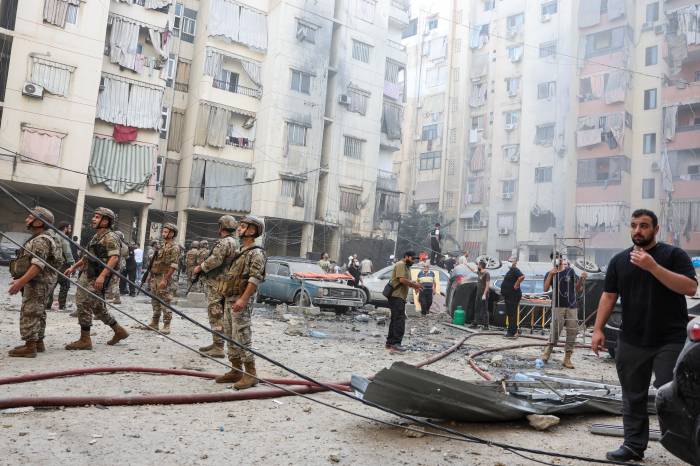
The ongoing Middle East conflict, which has persisted for over a year, escalated in mid-September 2024 when a new wave of violence erupted between the Israeli army and Hezbollah in Lebanon and Israel. This led to numerous casualties and deepened the international crisis.
On September 18-19 , two major explosions targeted Hezbollah members in Lebanon. Explosive devices, hidden in pagers and walkie-talkies, caused the deaths of at least 32 people, including two children. Around 3,250 people were injured. Hezbollah confirmed the death of 31 of its members. These explosions triggered a sharp reaction from the organization's leadership.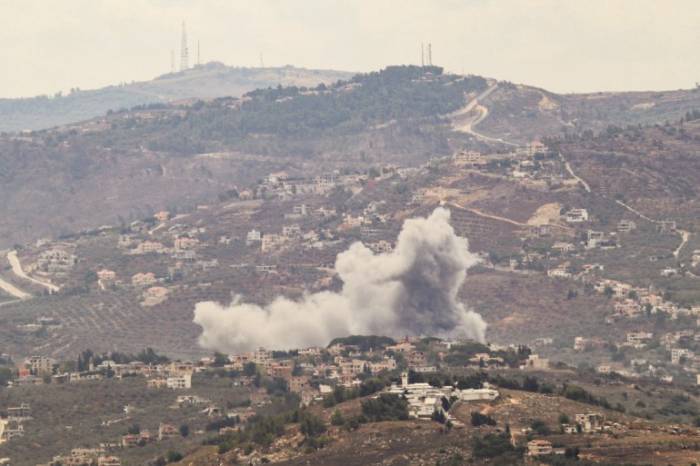
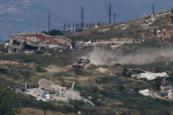
Israel responded to these events with massive airstrikes on southern Lebanon , focusing on Hezbollah's rocket launchers and infrastructure. The Israeli Defense Forces (IDF) reported that they had destroyed around 100 rocket launchers and approximately 1,000 barrels of fuel prepared for use against Israel.
Hezbollah leader Hassan Nasrallah promised retaliatory actions, stating that Israel had "crossed all red lines" and called the attacks a "declaration of war." In response to the airstrikes, Hezbollah launched more than 100 rockets into northern Israel, including military targets in the occupied Golan Heights.
Israeli Defense Minister Yoav Gallant announced the start of a "new phase" of the war, focusing on the northern front and confrontation with Hezbollah. According to Israeli military reports, a senior Hezbollah commander was killed in an airstrike in Beirut, along with 12 other people.
Israel also reported the deaths of two soldiers and the serious injury of another as a result of Hezbollah's attacks.
Meanwhile, the situation in Gaza remains tense. According to the Gaza Health Ministry, more than 41,000 Palestinians have died since October 2023. Israel claims to have eliminated more than 17,000 militants during this period, though evidence to support these claims has not been provided.
The U.S. and other international actors are actively calling for restraint. U.S. Secretary of State Antony Blinken urged both sides to de-escalate during a press conference in Egypt. French President Emmanuel Macron expressed his support for Lebanon and also called for peace.
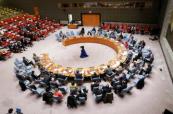
The United Nations condemned the use of explosive devices in communication equipment, calling it a violation of international humanitarian law. Concerns are growing about the potential expansion of the conflict, with Iran potentially being drawn into the situation. Despite calls for peace, the situation remains highly unstable, with many fearing that the region is on the verge of a full-scale war between Israel and Hezbollah.
Further escalation is expected in the coming days, despite international efforts to resolve the conflict.


Similar news