European court sets climate precedent in Norway oil case


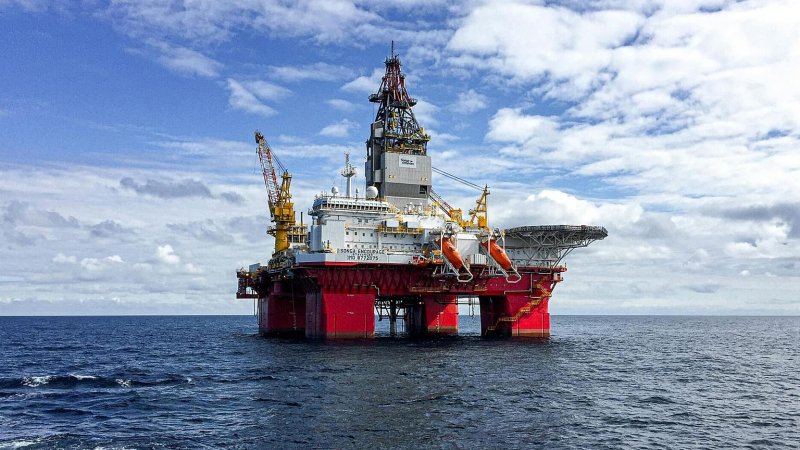
The European Court of Human Rights has set a significant climate precedent by ruling that Norway must evaluate global emissions from future oil projects.
Although the court found no rights violation in Norway's approval of oil exploration in the Barents Sea, the ruling carries substantial implications for future energy projects. Legal experts note the decision creates a powerful precedent requiring governments to evaluate the complete climate impact of fossil fuel developments, including emissions generated when extracted fuels are burned overseas. Sebastien Duyck of the Centre for International Environmental Law described the judgment as establishing that "governments cannot approve projects causing irreversible climate harm without judicial scrutiny."
The legal challenge originated in 2016 when environmental groups Greenpeace Nordic and Nature and Youth, along with six individual activists, contested Norway's decision to open sections of the Barents Sea for oil exploration. They argued the approval violated their human rights by contributing to climate change. While Norwegian courts previously acknowledged climate risks but upheld the drilling licenses, the Strasbourg-based court has now imposed stricter evaluation requirements. According to Norwegian Supreme Court lawyer Cathrine Hambro, "No ongoing Norwegian production of petroleum satisfies these requirements" established by the new ruling.
Legal scholars emphasize the decision's significance in compelling fossil fuel-producing nations to confront the climate consequences of their energy policies. Vrije Universiteit Amsterdam law professor Clemens Kaupa noted that "climate impact must be taken into account in decisions," representing a requirement that petroleum-exporting countries have historically avoided. The ruling strengthens the legal standing of environmental organizations and activists seeking to challenge fossil fuel projects through human rights frameworks, potentially influencing similar cases across Europe and beyond as climate litigation increasingly shapes environmental policy.


Similar news