Flooding in Central and Eastern Europe in September 2024: The aftermath of Storm Boris


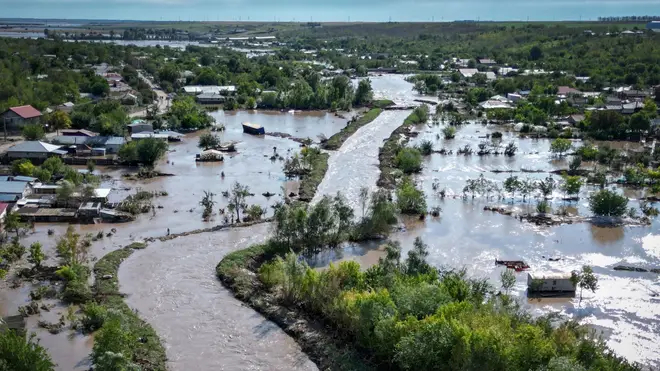
In mid-September 2024, Storm Boris struck Central and Eastern Europe , causing severe flooding in several countries across the region. The natural disaster resulted in casualties, infrastructure destruction, and mass evacuations.
The following countries suffered the most significant damage from Storm Boris:
Romania: The Galati county was hit hardest, with several fatalities reported.
Czech Republic: The northeastern part of the country faced widespread power outages, with roads and bridges damaged.
Poland: The Kłodzko region was declared a disaster zone, and authorities evacuated thousands of residents.
Slovakia: Rivers overflowed, flooding several towns and villages.
Hungary: Floodwaters threatened the capital, Budapest, as well as other regions.
Austria: Rescue teams faced considerable challenges in responding to the extensive flooding.
Germany: Southern regions were also affected by localized flooding.
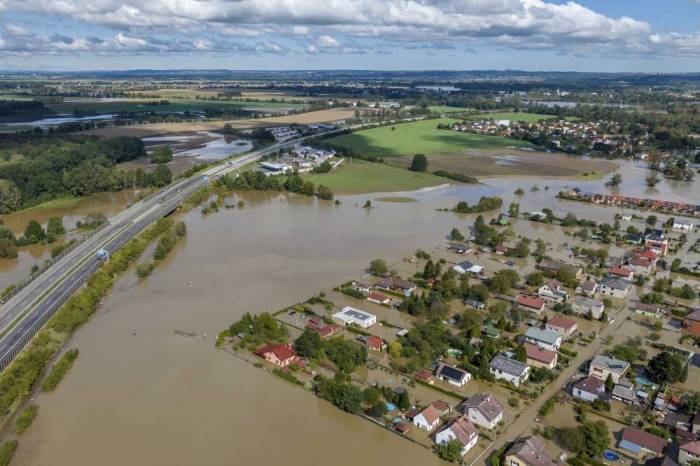
Casualties and destruction
The flooding claimed the lives of at least eight people:
Four fatalities occurred in Galati county, Romania.
One person drowned in the Kłodzko region of Poland.
A firefighter died in Austria while participating in rescue operations.
Tens of thousands of homes were damaged, and around 51,000 households in northern Czechia lost power. In Poland, around 1,600 people were evacuated from the southwestern region, while other countries also carried out large-scale evacuations from high-risk areas.
Weather conditions
Storm Boris brought record rainfall to the region, with some areas receiving a month's worth of rain in just 24 hours. Meteorologists warn that more rainfall is expected, which could further worsen the situation.
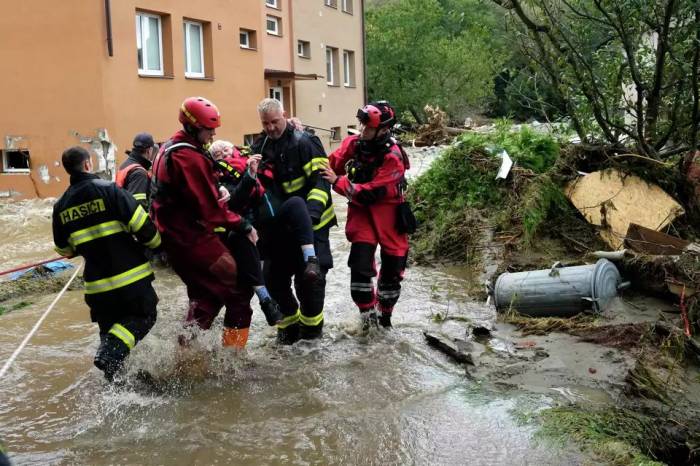
Impact on infrastructure
The flooding caused severe damage to infrastructure:
Roads and train services were disrupted in several countries. In the Polish town of Glucholazy, a bridge collapsed under the pressure of floodwaters. Major cities like Prague and Budapest erected flood barriers to prevent further damage.
Emergency response
Authorities and emergency services have been working around the clock to reinforce flood defenses and evacuate affected residents. Many regions have declared states of emergency, and evacuation efforts are ongoing.
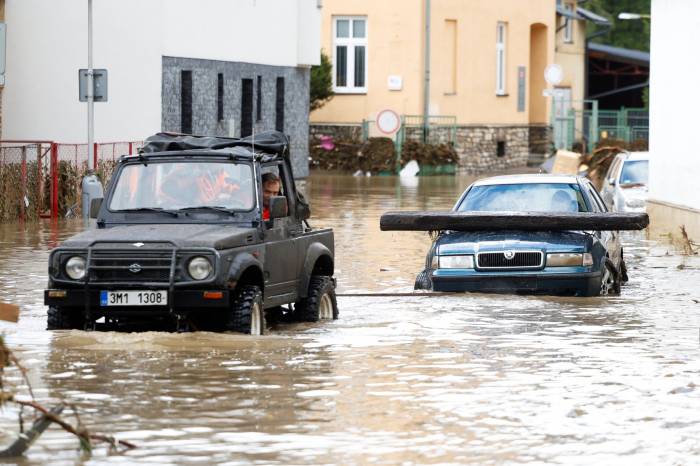
Link to climate change
Officials and experts from the affected countries pointed out that floods of this magnitude are increasingly becoming a consequence of global climate change. Leaders of the impacted nations have called for stronger measures to prevent and adapt to climate shifts.
The situation remains critical as authorities continue to combat the aftermath of Storm Boris, striving to minimize damage and protect lives.
The following countries suffered the most significant damage from Storm Boris:
Romania: The Galati county was hit hardest, with several fatalities reported.
Czech Republic: The northeastern part of the country faced widespread power outages, with roads and bridges damaged.
Poland: The Kłodzko region was declared a disaster zone, and authorities evacuated thousands of residents.
Slovakia: Rivers overflowed, flooding several towns and villages.
Hungary: Floodwaters threatened the capital, Budapest, as well as other regions.
Austria: Rescue teams faced considerable challenges in responding to the extensive flooding.
Germany: Southern regions were also affected by localized flooding.
Casualties and destruction
The flooding claimed the lives of at least eight people:
Four fatalities occurred in Galati county, Romania.
One person drowned in the Kłodzko region of Poland.
A firefighter died in Austria while participating in rescue operations.
Tens of thousands of homes were damaged, and around 51,000 households in northern Czechia lost power. In Poland, around 1,600 people were evacuated from the southwestern region, while other countries also carried out large-scale evacuations from high-risk areas.
Weather conditions
Storm Boris brought record rainfall to the region, with some areas receiving a month's worth of rain in just 24 hours. Meteorologists warn that more rainfall is expected, which could further worsen the situation.
Impact on infrastructure
The flooding caused severe damage to infrastructure:
Roads and train services were disrupted in several countries. In the Polish town of Glucholazy, a bridge collapsed under the pressure of floodwaters. Major cities like Prague and Budapest erected flood barriers to prevent further damage.
Emergency response
Authorities and emergency services have been working around the clock to reinforce flood defenses and evacuate affected residents. Many regions have declared states of emergency, and evacuation efforts are ongoing.
Link to climate change
Officials and experts from the affected countries pointed out that floods of this magnitude are increasingly becoming a consequence of global climate change. Leaders of the impacted nations have called for stronger measures to prevent and adapt to climate shifts.
The situation remains critical as authorities continue to combat the aftermath of Storm Boris, striving to minimize damage and protect lives.


Similar news