Germany unveils $1.9B fuel price relief plan


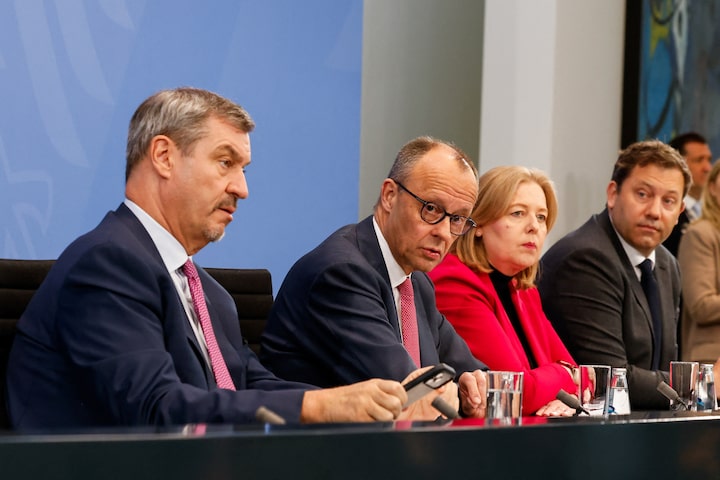
Germany’s coalition government has agreed on a €1.6 billion ($1.9 billion) package aimed at easing fuel prices for consumers and businesses, responding to rising energy costs linked to global supply disruptions.
The decision comes after weeks of internal debate within the governing coalition and follows a recent spike in oil prices driven by geopolitical tensions affecting global energy markets, News.Az reports, citing Reuters.
Under the plan, energy taxes on petrol and diesel will be reduced by around €0.17 per litre for a period of two months, according to coalition representatives from the Christian Democratic Union (CDU) and the Social Democratic Party (SPD).
RECOMMENDED STORIES
In addition to fuel tax reductions, the government also agreed on a tax-free relief bonus of up to €1,000 per employee, designed to support companies facing higher operating costs. The bonus will not be subject to payroll taxes or social security contributions.
The agreement follows a dispute within the coalition over how to respond to rising oil prices and whether to introduce a windfall tax on energy companies. Internal disagreements had briefly intensified over the weekend before being resolved in government talks.
Chancellor Friedrich Merz said the government was acting to mitigate the economic impact of global energy disruptions, stressing that external geopolitical developments were driving much of the price pressure.
Beyond short-term relief, the government also signaled opposition to stricter European Union emissions rules planned for 2027, particularly regarding hybrid vehicles. Berlin is expected to advocate for a more flexible, technology-neutral approach in upcoming EU negotiations.
Separately, German authorities are preparing broader income tax reforms aimed at easing the burden on lower- and middle-income households, scheduled to take effect from January 2027.
Germany’s move comes as Europe’s largest economy continues to face weak growth and inflationary pressures tied to global energy instability. Policymakers say further measures may be considered if market volatility continues.
By Aysel Mammadzada


Similar news