Germany’s economic resilience amidst industrial crisis


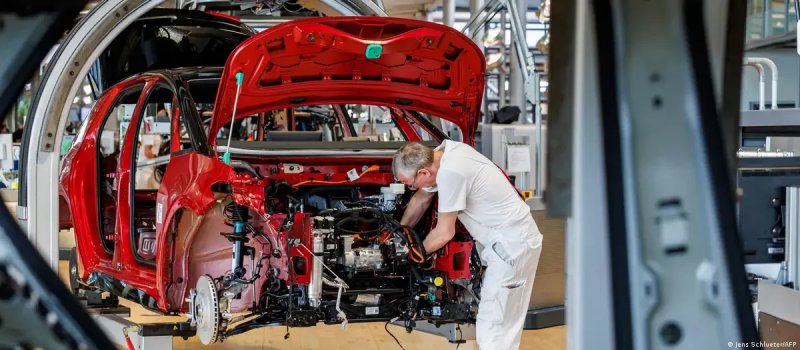
Despite rising energy costs and uncertain export markets, Germany’s economy grew more than expected in the first quarter of 2026.
Preliminary data released on April 30 shows a 0.3% GDP increase, outperforming analyst forecasts of 0.2%. This growth was primarily fueled by robust household and government consumption, as well as a slight recovery in exports, News.Az reports, citing Deutsche Welle.
However, this national resilience stands in sharp contrast to the struggles of Germany's industrial core. The automotive giant Volkswagen (VW) reported a significant downturn, with first-quarter operating profits dropping by 14% to 28% depending on the division.
RECOMMENDED STORIES
The carmaker is grappling with a "perfect storm" of challenges, including high domestic energy prices, intense competition from Chinese electric vehicle (EV) manufacturers, and the impact of new trade barriers. To combat these pressures, VW has accelerated a massive restructuring plan that includes cutting up to 50,000 jobs by 2030. While the service sector and domestic demand are keeping the broader economy afloat, the crisis at VW highlights a deepening divide between Germany's resilient consumers and its struggling manufacturing base.
By Leyla Şirinova


Similar news