Source: shapingeurope
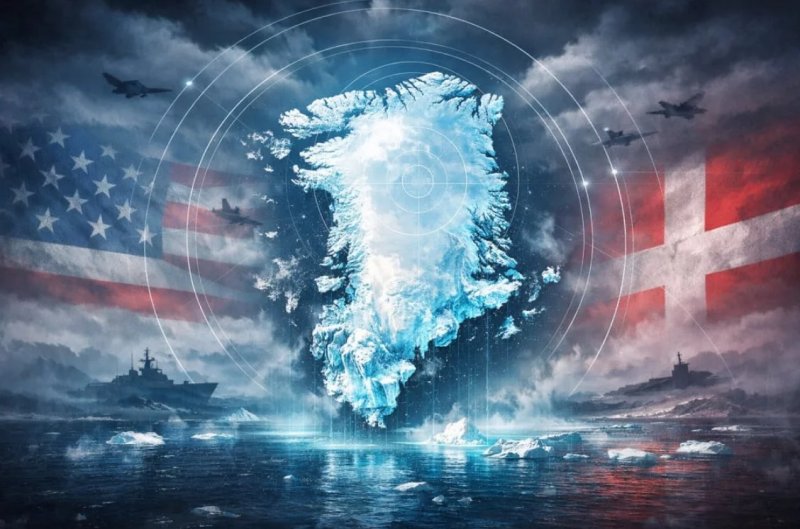
This perspective solidified during the Second World War. After Nazi Germany occupied Denmark in 1940, the United States feared that Greenland could become a staging ground for German military activity in the North Atlantic. Acting under emergency agreements with Danish representatives, Washington assumed responsibility for Greenland’s defense. Airfields, weather stations, and supply routes were rapidly established. From the American point of view, these moves were not colonial or expansionist, but defensive and necessary. Greenland was treated as a shield, not a prize.
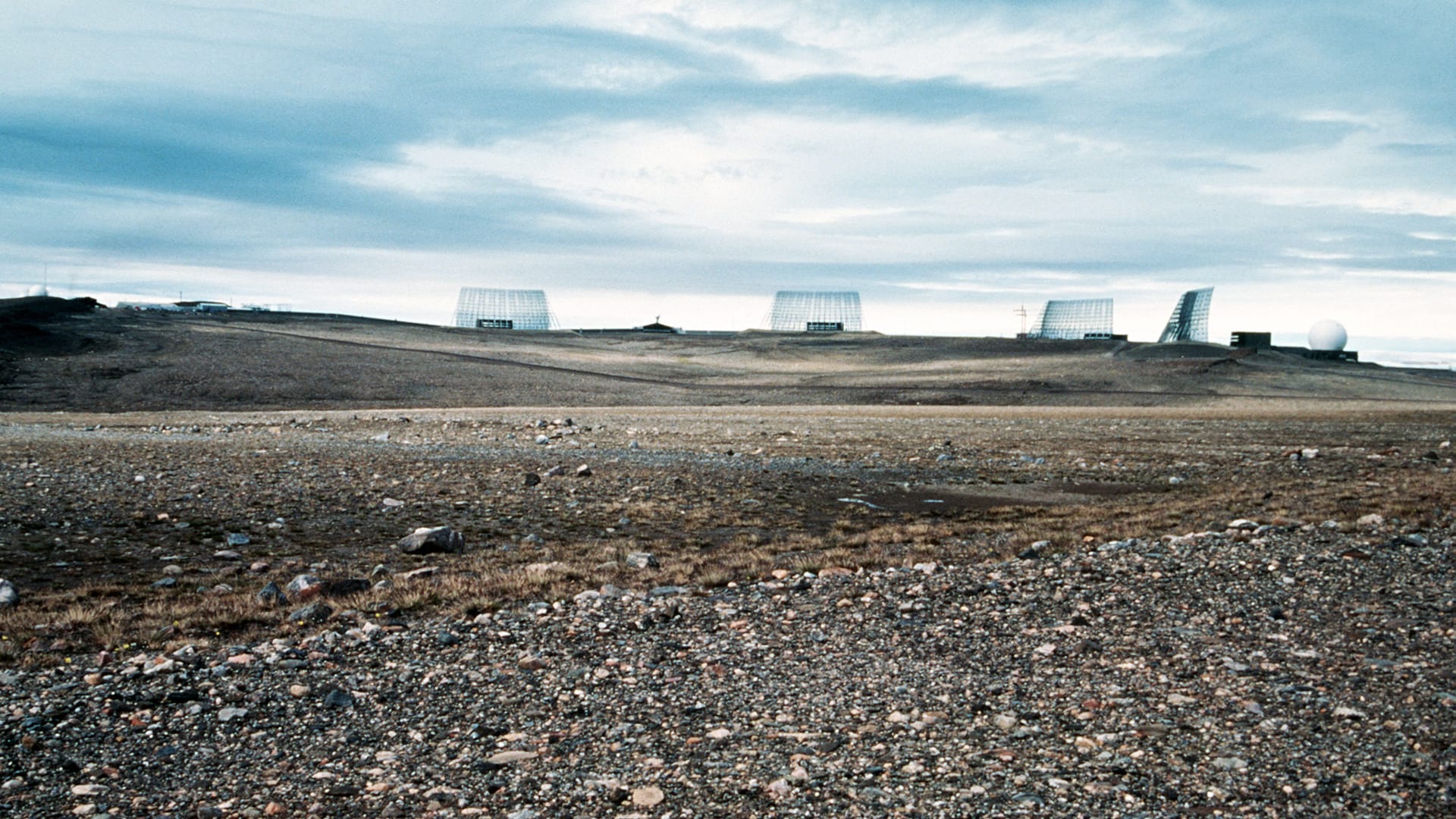
The Cold War transformed Greenland from a wartime outpost into a permanent pillar of U.S. defense strategy. With the emergence of intercontinental bombers and, later, ballistic missiles, the shortest path between the Soviet Union and North America ran over the Arctic. Greenland became indispensable for early-warning radar systems and missile detection. The establishment of Thule Air Base in the early 1950s reflected this logic. From Washington’s viewpoint, Greenland was a frontline asset in preventing nuclear surprise and maintaining strategic stability.
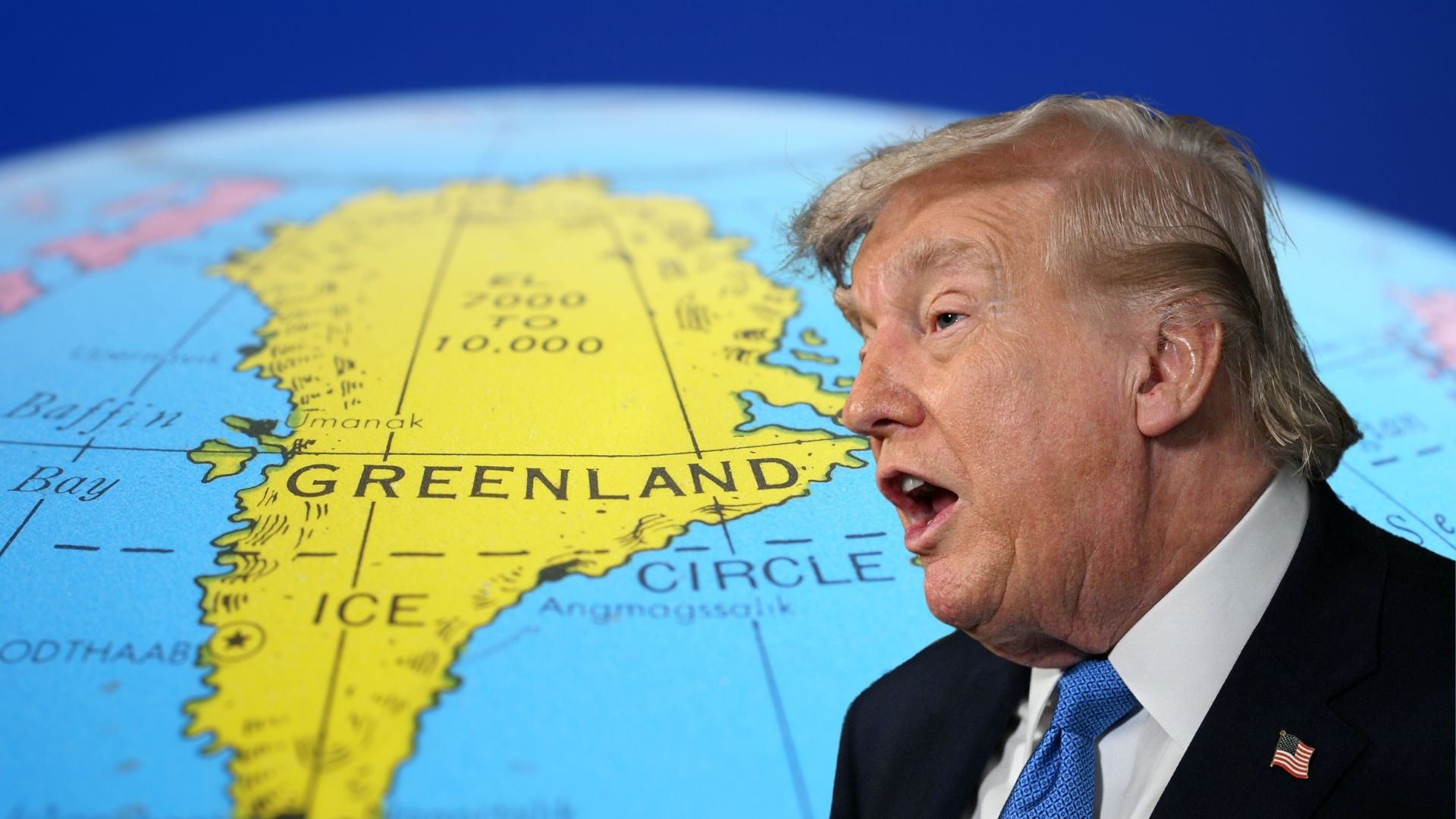
Crucially, American policymakers during this period did not view Greenland primarily as a political entity with its own aspirations. It was considered part of the wider NATO defense system, managed through Denmark as an ally. Decisions were driven by strategic urgency, not local consent. This approach, common during the Cold War, left a legacy of resentment among Greenlanders and contributed to Denmark’s later efforts to redefine the relationship through expanded self-government.
Source: Reuters
The end of the Cold War did not remove Greenland from U.S. strategic calculations, though it temporarily reduced its prominence. Missile threats appeared less immediate, Arctic competition subsided, and Washington’s attention shifted elsewhere. Yet even during this period, the U.S. maintained its presence at Thule, quietly preserving capabilities that could be reactivated if global conditions changed. From an American perspective, Greenland was dormant strategic capital, not forgotten.
That dormant logic reawakened in the 21st century. Advances in missile technology, the militarization of space, and renewed rivalry with Russia and China brought Arctic geography back to the forefront of U.S. planning. Greenland’s role in missile warning, space surveillance, and North Atlantic security regained urgency. At the same time, climate change made the Arctic more accessible, reinforcing Washington’s perception that Greenland’s strategic relevance was growing, not diminishing.
It is within this historical framework that modern U.S. rhetoric about Greenland must be understood. While talk of “acquisition” may appear crude or outdated, it reflects a deeply ingrained American habit of thinking about security in territorial terms. From Alaska to Pacific island bases, U.S. history shows a pattern of seeking physical control or guaranteed access to strategic locations. Greenland fits squarely within this tradition.
Source: fastcompany
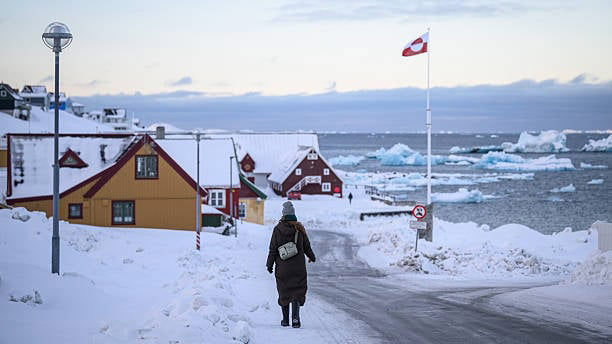
However, what this historical U.S. perspective often underestimates is how much the political context has changed. Greenland is no longer a distant dependency with limited political voice. It is a self-governing society with internationally recognized rights and an increasingly assertive identity. The American strategic lens, shaped by 19th- and 20th-century precedents, now collides with 21st-century expectations about sovereignty, consent, and partnership.
This disconnect explains why U.S. statements about Greenland resonate negatively in Denmark and Nuuk. From Washington’s internal logic, such ideas may appear pragmatic or hypothetical. From a Greenlandic perspective, they revive a history of decisions made without local participation. From Denmark’s point of view, they challenge the legal and political foundations of the Kingdom and risk destabilizing alliance unity.
None of this diminishes the reality that Greenland remains vital to U.S. security. But history suggests that American interests have been best served when strategic necessity is paired with diplomatic adaptation. During World War II, cooperation was built on shared threat perception. During the Cold War, alliance management through NATO provided legitimacy. Today, legitimacy depends on acknowledging Greenland not just as territory, but as a political actor.
Source: CNN
The historical U.S. view of Greenland has always been shaped by geography and threat perception. What must now change is the method, not the interest. Access, cooperation, and stability can be achieved without ownership, pressure, or provocative language. In a world where alliances are tested as much by values as by capabilities, repeating old strategic habits without historical reflection risks undermining the very security goals Washington seeks to protect.
Greenland’s history with the United States shows a clear pattern: American attention arrives when global stakes rise. The question now is whether that attention will be shaped by 20th-century instincts or 21st-century realities. The answer will determine not only the future of U.S.–Greenland–Denmark relations, but also the credibility of Western leadership in an increasingly contested Arctic.



.png)