Hazel Çağan Elbir: EU’s selective policy creates a new dividing line in South Caucasus - INTERVIEW



Europe is divided by its own slogans
At the recent Warsaw Security Forum 2025, held under the slogan “Divided We Fall – From Lisbon to Yerevan,” Europe once again outlined the symbolic boundaries of its influence. The focus on Armenia, the absence of Azerbaijani representation, and the emergence of a new dividing line in the South Caucasus raised questions about the true inclusiveness of European policy. What lies behind this slogan — a genuine effort to expand dialogue or a rhetorical consolidation of a new geopolitical axis? News.Az explores this in an exclusive interview with Turkish expert and analyst at the Center for Eurasian Studies, Hazel Çağan Elbir.
- At the Warsaw Forum 2025, the symbolic slogan “From Lisbon to Yerevan” was voiced. Why, in your opinion, was Yerevan chosen as the eastern boundary of the European narrative? Could this be seen as the beginning of the formation of a new “division line” in the South Caucasus — between the “European” and “extra-European” space?

Source: Newfrontier Foundation
- The Warsaw Security Forum, established in 2014 in the wake of the crisis caused by the annexation of Crimea, traditionally positions itself as a platform shaping the contours of transatlantic security. However, in 2025, under the slogan “Divided We Fall,” the forum set a new geopolitical and symbolic framework: “From Lisbon to Yerevan.” The choice of Yerevan as the eastern border of the European narrative can be seen not so much as an expansion of Europe as an attempt to delineate the limits of “European influence” in the post-Soviet space.
This move carries dual significance. On one hand, it emphasizes the EU’s focus on Armenia as a country within the orbit of European initiatives; on the other, it indirectly excludes Azerbaijan from the symbolic map of the “European continent.” Thus, a new dividing line is being formed, where the South Caucasus is split along the axis of “Europeanness” and “non-Europeanness.”
In the context of the EU’s declared support for the peace process in the South Caucasus, such rhetoric appears contradictory: it actually reinforces the perception of the region not as a unified space for cooperation, but as an arena of geopolitical choice. And although Russia has been clearly isolated from European discourse, the slogan “From Lisbon to Yerevan” inadvertently creates a new dividing line — no longer between Western and Eastern Europe, but within the South Caucasus itself.
- European institutions often speak of a “peace process in the South Caucasus,” yet only one state — Armenia — was allowed to participate in the forum’s discussions. Could this be seen as a manifestation of political favoritism on the part of the EU? And won’t such selectivity lead to an erosion of trust between Brussels and Baku?

Source: News.Az
- The Warsaw Security Forum’s “About Us” section states that its mission is “to strengthen transatlantic cooperation and develop joint strategies against security threats on Europe’s eastern flank.” Following the annexation of Crimea, the forum positioned itself as a platform representing the voice of Central and Eastern European countries to the West. Its key areas include strengthening NATO’s defense capabilities, countering hybrid threats, and ensuring energy security.
The 2025 summit brought together over 3,000 participants, providing a platform for high-level dialogue among heads of state, foreign and defense ministers, military leaders, and think tank representatives. At the 12th Forum, the Knight of Freedom Award was presented to former NATO Secretary General Jens Stoltenberg.
Against this backdrop, it is notable that only one state in the region — Armenia — participated in discussions devoted to the “peace process in the South Caucasus.” A logical question arises: can such selective attention be considered a manifestation of political favoritism by European structures? And won’t this selectivity erode trust between Brussels and Baku, undermining the very concept of “inclusive dialogue” that the West traditionally proclaims?
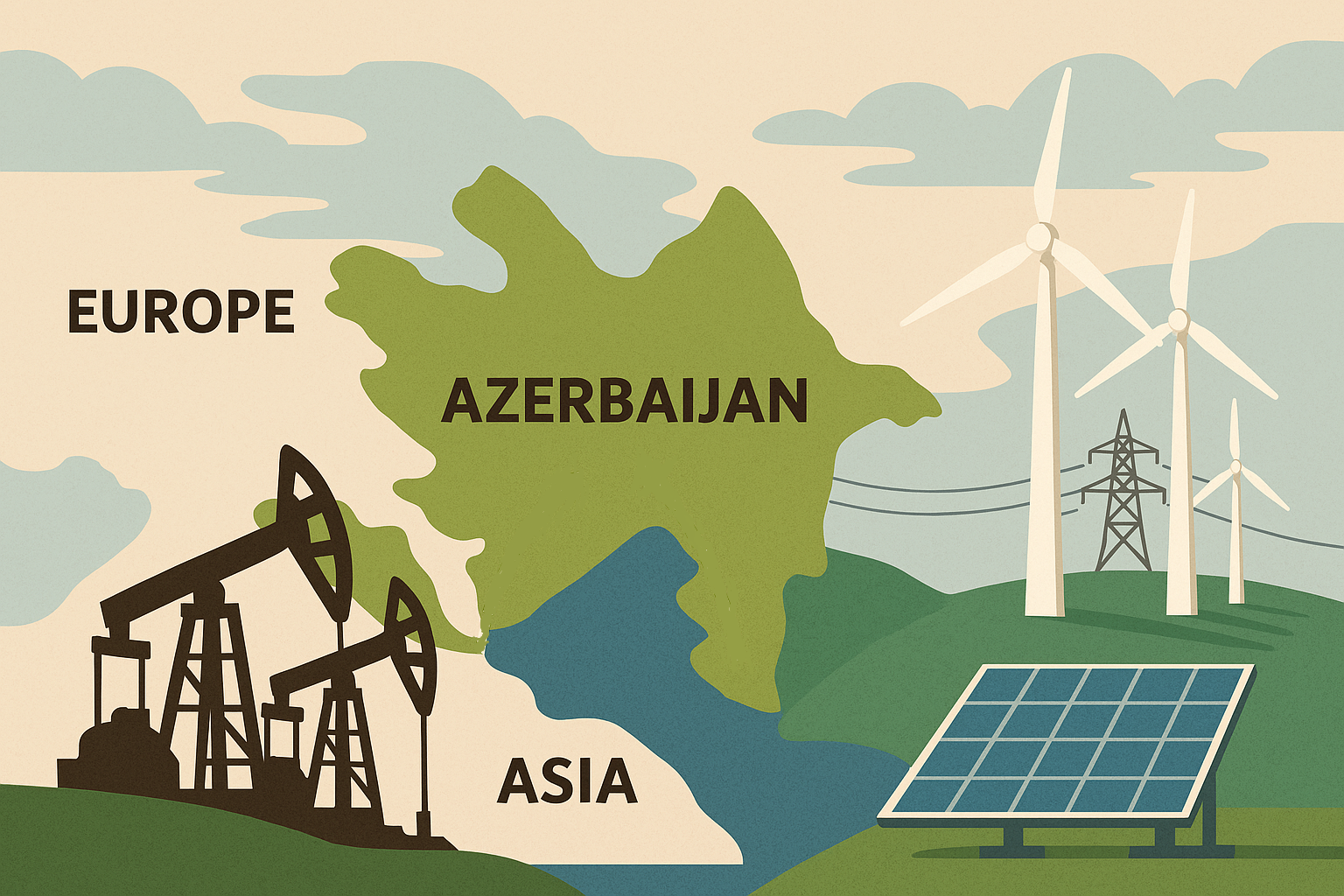
- If the Warsaw Forum positions itself as a platform for “strengthening transatlantic solidarity,” where does Azerbaijan, which plays a key role in Europe’s energy security, fit into this architecture? Can energy interdependence become a tool for restoring geopolitical balance in the region?
Source: TREND
- The panel discussion “From Lisbon to Yerevan: Envisioning Europe’s Strategy for the Wider Neighborhood,” held at the WSF 2025 Global Summit, became a key platform for discussing new parameters of European policy in the region. Moderated by Zbigniew Pisarski, President of the Polish Kazimierz Pulaski Foundation, the session featured French Minister for Europe and Foreign Affairs Jean-Noël Barrot, Lithuanian Foreign Minister Kęstutis Budrys, and Armenian Foreign Minister Ararat Mirzoyan.
In his speech, Mirzoyan presented his vision of the geopolitical transformation of the South Caucasus through the lens of European integration, outlining the dilemma between values and interests. He emphasized that Armenia’s efforts to conclude a peace treaty with Azerbaijan should not be viewed in isolation, but as part of the overall architecture of stability and energy interdependence in the region. According to him, Europe, while declaring a course toward “strengthening transatlantic solidarity,” cannot ignore the role of Azerbaijan, a key energy supplier linking the Caspian Basin and Europe.
Mirzoyan noted that energy interdependence can become a tool for restoring geopolitical balance, ensuring not only the stability of the European energy system but also the conditions for long-term peace in the region. In this context, the minister called on the EU to replace “bureaucracy with a political vision,” creating a more flexible and comprehensive security architecture. He also highlighted that Yerevan will host the European Political Community summit in 2026, giving the South Caucasus special significance as a space where energy, security, and diplomacy become interrelated elements of the new European strategy.
Thus, the “From Lisbon to Yerevan” discussion demonstrated that without Azerbaijan’s participation as a reliable energy and logistics partner, it is impossible to build a sustainable architecture of transatlantic peace and stability.
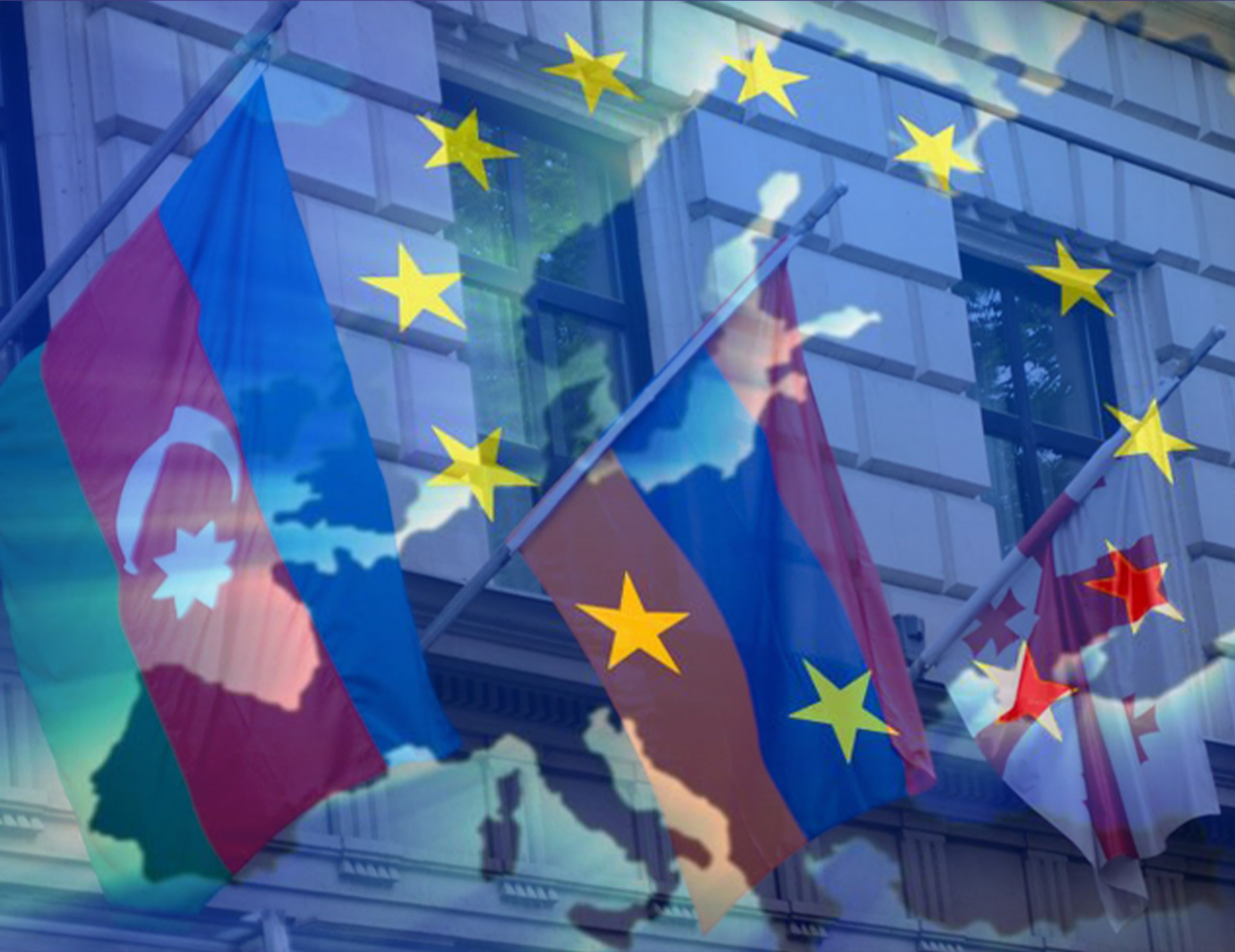
- Is it fair to say that European policy today exhibits internal discord: between values and interests, between declarative inclusiveness and actual selectivity? How does this affect Europe’s perception in the South Caucasus region?
Source: Report
- The panel discussion "From Lisbon to Yerevan: Envisioning Europe's Strategy for the Wider Neighborhood," which became one of the central themes of the WSF-2025 World Summit, vividly illustrated the internal contradictions of modern Europe, precisely those that are being discussed today under the slogan "Divided We Fall."
The discussion, which featured French Minister for Europe and Foreign Affairs Barrot, Lithuanian Foreign Minister Budrys, and Armenian Foreign Minister Ararat Mirzoyan, focused on the dilemma between the values and interests of European policy. Mirzoyan, presenting the "European vision" of the South Caucasus, emphasized that Armenia, by seeking a peace treaty with Azerbaijan, has effectively become a test of the EU's ability to combine moral principles with realpolitik. The minister's call to replace "bureaucracy with political vision" became a metaphor for the gap between declarative inclusiveness and the practical selectivity of European diplomacy.
The announcement of Yerevan as the host of the European Political Community summit in 2026 sounded like an attempt to symbolically anchor Armenia in the European context. However, behind this rhetoric, another dimension is also discernible: the EU's desire to demonstrate unity externally, despite growing divisions within.
For the South Caucasus, this duality—between ideals and interests, openness and selectivity—has become a litmus test for the perception of Europe: as a force still attractive in its values, but losing coherence in its actions. Ararat Mirzoyan's speech, in this sense, not only contributed to the peace debate but also demonstrated that the region itself has become a mirror of Europe's internal identity crisis.
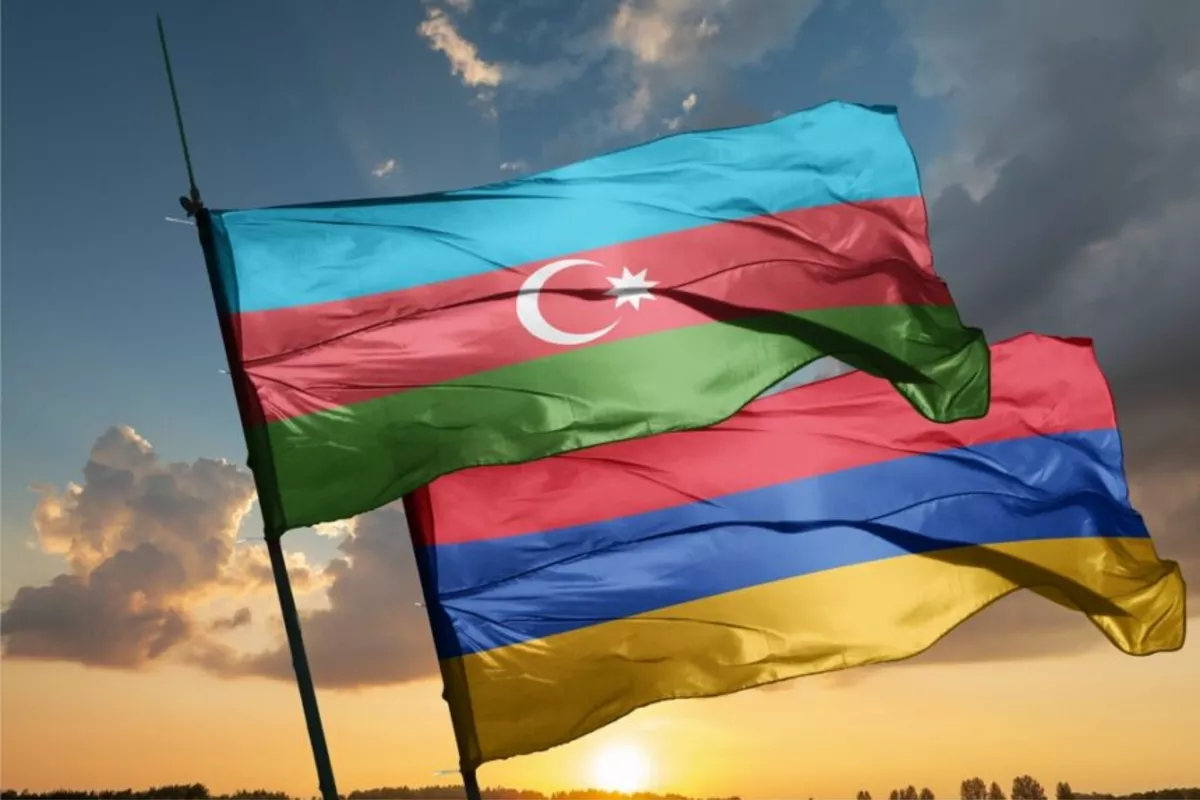
- Is it possible that the EU's selective approach to Armenia and Azerbaijan, including the differences in their representation in international forums, reflects a strategic imbalance in European policy, where geopolitical preferences are beginning to prevail over the principle of equal mediation and a genuine understanding of regional processes?
Source: APA
- Armenia’s democratic reforms, particularly following the events of 2018, as well as its gradual distancing from Russia and the Collective Security Treaty Organization (CSTO), are viewed by the European Union as a favorable foundation for a values-based partnership. Mirzoyan’s speech at the Warsaw Security Forum (WSF) emphasized Armenia’s pro-Western orientation and progress in peace talks with Azerbaijan. However, the high-level participation of the Armenian foreign minister in WSF 2025, in the absence of similar representation from Azerbaijan, drew significant attention from observers. If peace in the South Caucasus is at stake, it is only logical that Azerbaijan, as a key participant in the peace process, should also be heard at the forum.
Beyond peace negotiations, Azerbaijan is a critical partner for the EU in terms of energy security, supplying natural gas to Europe via the Southern Gas Corridor. Moreover, Azerbaijan’s strategic alliance with Turkey and its role in alternative trade routes within China’s Belt and Road Initiative are vital for regional stability. Yet, the “From Lisbon to Yerevan” slogan creates the impression that the EU is adopting an imbalanced approach toward the South Caucasus, attempting to overshadow Azerbaijan’s clear strategic contribution.
The EU supports the peace process between Armenia and Azerbaijan and cooperates with both countries. But a fair question arises: if the EU is truly committed to promoting peace in the South Caucasus, why does it not adhere to a policy of equal representation for both sides? This situation highlights the forum’s inability to fully reflect the real regional dynamics.


Similar news