How a new multipolar world is emerging as global power shifts reshape geopolitics


The geopolitical landscape of the 21st century is undergoing a profound transformation, News.az reports.
After decades dominated by a unipolar or bipolar structure, the world is now moving toward a complex multipolar system defined by new regional powers, shifting alliances, contested influence zones, and a rebalancing of political and economic forces. This multipolar reality affects everything — from energy markets and security frameworks to trade networks, digital regulation, and international diplomacy.
The rise of a multipolar world is not a sudden event; it is the result of long-term trends accelerated by global crises, technological change, and the evolving ambitions of emerging states. The traditional centres of power — the United States, the European Union, Russia, and China — are now joined by dynamic regional actors such as India, Türkiye, Brazil, Indonesia, the Gulf states, and Azerbaijan. These countries are expanding their influence through economic integration, strategic connectivity projects, and diplomatic initiatives that challenge established hierarchies.
One of the driving forces behind this shift is geoeconomic diversification. Countries are reducing dependence on single partners, opting instead for flexible economic relations that prioritise resilience and sovereignty. The fragmentation of global supply chains, driven by the pandemic and geopolitical tensions, has pushed states to secure alternative routes, diversify trade, and strengthen regional alliances. As a result, new corridors are emerging across Eurasia, Africa, Latin America, and the Indo-Pacific.
Energy politics plays a central role in this transition. While traditional oil and gas powers remain relevant, the global energy landscape is diversifying. Renewable energy, hydrogen, and electricity interconnections are shifting the geography of influence. Countries rich in critical minerals, solar capacity, or transit infrastructure are becoming pivotal players in the global energy race. This has elevated the strategic importance of regions like the South Caucasus, Central Asia, the Middle East, and Sub-Saharan Africa.
At the same time, security alliances are being redefined. NATO expands its strategic focus, the Gulf region strengthens its independent defence initiatives, and Asia develops new partnerships to counterbalance regional tensions. Meanwhile, smaller states are learning to navigate great-power rivalry by pursuing multi-vector foreign policies that maintain balance without fully aligning with any single bloc. This strategic flexibility is becoming a hallmark of the multipolar order.
In addition to traditional military power, technological dominance is becoming a major determinant of geopolitical strength. Nations that lead in artificial intelligence, semiconductor production, 5G networks, quantum computing, and cybersecurity shape global standards and secure economic advantages. The competition between tech giants has created new lines of rivalry — not only between states but also between corporations that wield influence on a scale comparable to governments.
Diplomacy is also adapting. International organisations face increasing pressure as global disagreements intensify, yet new platforms and regional forums are emerging to address shared challenges. Initiatives like the Organization of Turkic States, BRICS+, ASEAN, African Union reforms, and Middle Corridor partnerships illustrate how regional cooperation is becoming a cornerstone of global governance. These alliances offer states a way to pursue strategic interests while participating in broader multilateral dialogue.
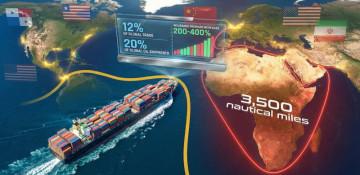
Another key element of the multipolar world is strategic connectivity. Transport corridors, fibre-optic networks, and energy pipelines have become instruments of geopolitical influence. The competition between routes — whether across the South Caucasus, the Arabian Peninsula, the Indian Ocean, or the Mediterranean — reflects a larger struggle over who controls global flows of goods, data, and energy. Countries positioned at crossroads, such as Azerbaijan, Türkiye, and Kazakhstan, have gained new geopolitical weight as hubs linking continents.
Yet, the shift toward multipolarity also generates instability. Power fragmentation increases the number of potential conflict zones and makes crisis management more complex. The global system must now accommodate multiple centres of influence, each with its own priorities and security concerns. Disputes over maritime zones, digital regulation, sanctions, and resource access can escalate quickly without strong diplomatic frameworks.
Economic competition further complicates the picture. While new opportunities arise from diversified partnerships, global markets face uncertainty due to sanctions, trade wars, and currency fragmentation. Countries must balance national interests with the need for global cooperation in finance, climate action, health security, and technological innovation.
Despite these challenges, the multipolar world offers a chance for more balanced and inclusive global governance. Emerging powers bring fresh perspectives, regional expertise, and new economic potential. They contribute to reshaping outdated international structures and encourage more equitable representation. For smaller states, multipolarity opens avenues to assert their interests, pursue diversified alliances, and reduce dependency on singular great powers.
The future of this system will depend on whether states choose confrontation or cooperation. A stable multipolar world requires clear rules, strong institutions, and diplomatic channels capable of managing rivalry without escalating tensions. It also demands that countries invest in regional integration, conflict prevention, and innovative economic models.
As global power continues to redistribute, the coming decade will determine whether multipolarity becomes a source of conflict or a foundation for a more balanced international order. The choices made by emerging and established powers will shape the geopolitical landscape, economic stability, and security architecture of the 21st century — influencing not only governments but also the daily lives of people across the world.


Similar news