How and why SpaceX launched its first national security mission of 2026


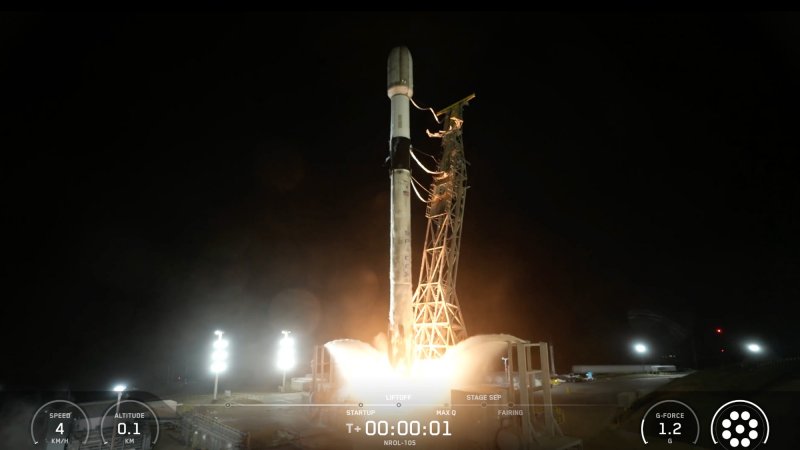
SpaceX has begun the year 2026 with the launch of its first national security mission, marking another milestone in the company’s expanding role as a critical launch provider for United States defense and intelligence agencies, News.Az reports.
The mission reflects the growing reliance of national security institutions on commercial launch services and highlights how space has become an essential domain for modern defense, intelligence gathering, and strategic deterrence.
This FAQ explainer provides clear answers to the most common questions surrounding the launch, its purpose, and its broader implications.
What happened in the SpaceX national security launch of 2026
In early January 2026, SpaceX successfully launched its first national security mission of the year from a United States spaceport. The mission was conducted under contract with US government agencies responsible for defense and intelligence operations. While specific details about the payload remain classified, officials confirmed that the launch met all mission objectives and that the spacecraft was deployed into its intended orbit.
The launch continues a pattern established in recent years, in which SpaceX routinely carries out high priority missions for national security customers alongside its commercial and scientific launches.
What is meant by a national security space mission
A national security space mission refers to the launch of satellites or spacecraft that support defense, intelligence, and strategic communications needs. These missions are typically commissioned by organizations such as the United States Department of Defense, the US Space Force, or intelligence agencies.
Such payloads may include reconnaissance satellites, early warning systems, secure communication platforms, navigation support systems, or experimental technologies designed to enhance space based capabilities. Due to their sensitive nature, many details about these missions are not disclosed to the public.
Why this launch is significant for SpaceX
This mission is significant because it reinforces SpaceX’s position as a trusted and reliable launch provider for the most sensitive US government payloads. A decade ago, national security launches were dominated by traditional aerospace contractors. Today, SpaceX has become one of the primary partners for these missions.
Beginning the year with a national security launch signals continuity and confidence from government customers. It also demonstrates that SpaceX can meet strict requirements related to reliability, schedule assurance, and mission security.
Which rocket was used for the mission
Although official mission documentation often avoids naming specific configurations, SpaceX typically uses its Falcon 9 or Falcon Heavy rockets for national security launches, depending on payload mass and orbital requirements.
These rockets have undergone extensive certification processes to qualify for national security missions. Certification involves demonstrating consistent performance across multiple launches and meeting demanding standards set by government agencies.
Who oversees national security space launches in the United States
National security launches are overseen by several institutions, most prominently the United States Space Force and the National Reconnaissance Office.
The Space Force is responsible for organizing and managing launch services that support military operations, while the National Reconnaissance Office develops and operates many of the classified satellites used for intelligence, surveillance, and reconnaissance.
These organizations work closely with commercial providers like SpaceX to ensure missions meet both technical and security requirements.
What kind of payload was likely launched
While the payload has not been publicly identified, analysts note that early year launches often involve reconnaissance or communications satellites. These spacecraft are critical for monitoring global developments, supporting military operations, and maintaining secure lines of communication.
Such satellites typically operate in low Earth orbit, medium Earth orbit, or geosynchronous orbit, depending on their mission objectives. The exact orbit provides clues to the satellite’s function, but detailed analysis is often limited by classification.
Why details about the mission are classified
National security missions involve technologies and capabilities that governments seek to protect from adversaries. Revealing detailed information about satellite design, orbit, or operational purpose could compromise their effectiveness.
As a result, launch coverage for national security missions is often limited. Livestreams may end early, payload fairing deployment may not be shown, and official statements tend to be brief and carefully worded.
How this launch fits into SpaceX’s 2026 launch schedule
SpaceX is expected to conduct dozens of launches in 2026, spanning commercial satellite deployments, crewed missions, cargo resupply flights, and national security operations. The first national security launch of the year sets the tone for a busy schedule that reflects growing global demand for space access.
National security missions typically occupy a high priority position on the launch manifest, meaning they can influence scheduling decisions for other customers.
What this means for US national security
Reliable access to space is considered a cornerstone of modern national security. Satellites enable navigation, intelligence collection, missile warning, and global communications. The ability to launch and replace these assets quickly is essential in an increasingly contested space environment.
By working with commercial providers like SpaceX, US agencies gain flexibility, redundancy, and cost efficiency. This launch underscores the strategy of integrating commercial innovation into national defense infrastructure.
How commercial companies became central to national security space missions
Historically, national security launches were conducted almost exclusively by government owned or legacy contractor systems. Over the past two decades, policy changes encouraged competition and commercial participation.
SpaceX’s emergence offered lower launch costs and faster turnaround times, prompting government agencies to adapt their procurement strategies. Today, commercial providers are viewed not as alternatives but as integral components of national security space architecture.
What role reusability plays in national security launches
One of SpaceX’s defining innovations is reusable rocket technology. For national security missions, reusability offers several advantages, including cost savings and increased launch cadence.
However, not all national security missions use previously flown boosters. Depending on mission requirements, agencies may request new or minimally used hardware to maximize performance margins.
The successful execution of reusable systems on sensitive missions has helped build confidence in this approach.
How this launch compares to previous years
Compared with earlier periods, national security launches have become more frequent and more routine. What was once a rare and highly specialized event is now a regular part of the launch calendar.
This reflects both the growing number of satellites required for modern operations and the maturation of commercial launch services capable of meeting stringent requirements.
What international implications this mission may have
Although the mission is American, its implications are global. Space based capabilities influence international security dynamics, from deterrence to crisis management.
Other countries closely monitor US launch activity as an indicator of technological progress and strategic priorities. The continued involvement of commercial companies also influences how other nations structure their own space programs.
How SpaceX balances commercial and government missions
SpaceX operates a diverse portfolio that includes commercial satellite launches, human spaceflight, scientific missions, and government contracts. Balancing these demands requires careful scheduling and resource management.
National security missions are typically planned well in advance and involve close coordination with government partners. Their successful execution depends on maintaining high reliability across the entire launch fleet.
What challenges SpaceX faces in national security missions
Despite its track record, SpaceX faces challenges such as maintaining reliability at high launch rates, managing supply chains, and meeting evolving security requirements.
National security customers also demand extensive documentation, audits, and oversight, which can differ significantly from commercial launch processes.
Successfully navigating these challenges is essential for sustaining long term partnerships.
What this launch signals for the future of space security
The first national security launch of 2026 illustrates how space has become an operational domain alongside land, sea, air, and cyberspace. It signals continued investment in space based capabilities and in the commercial partnerships that support them.
As geopolitical competition extends into orbit, the ability to launch quickly, reliably, and securely will remain a strategic priority.
What comes next after this mission
Following deployment, the satellite will undergo a checkout phase to verify that all systems are functioning as intended. Once operational, it will begin supporting its assigned mission, whether that involves intelligence collection, communications, or other functions.
SpaceX is expected to conduct additional national security launches throughout 2026, reinforcing its role in supporting critical government needs.
Conclusion
SpaceX’s first national security launch of 2026 is more than a routine rocket flight. It represents the intersection of commercial innovation and national defense, highlighting how space has become central to security, technology, and global stability.
As the year progresses, such missions will continue to shape discussions about space policy, defense strategy, and the role of private companies in safeguarding national interests.


Similar news