How climate change is driving floods across continents


Floods have surged across parts of Africa, Asia, Europe, the Middle East and the Americas in 2026, underscoring how interconnected climate extremes are affecting vulnerable communities around the world.
Scientists, emergency agencies and meteorological services report multiple overlapping flood disasters, from coastal deluges to river overflows, reflecting broader changes in the Earth’s climate system.
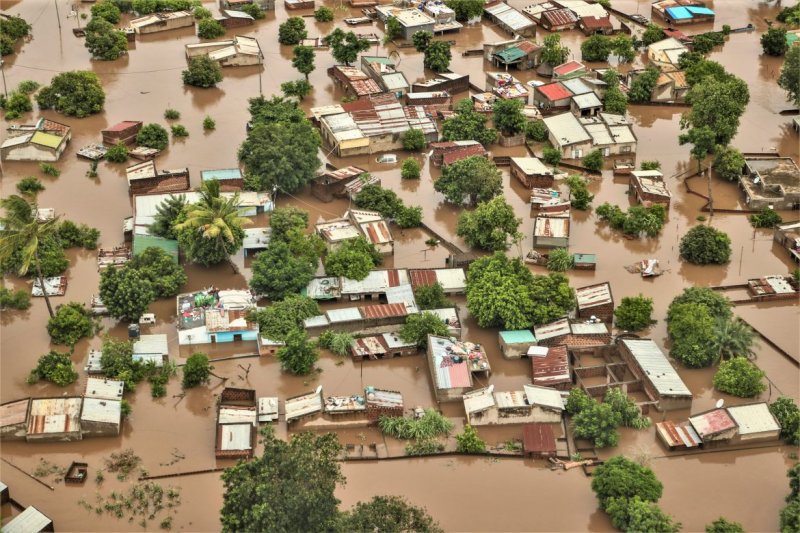
In Southern Africa, heavy rains and river overflows since late 2025 have caused one of the worst flooding events in a generation. In Mozambique, weeks of intense rainfall inundated large areas along the Limpopo and Incomati rivers, damaging or destroying some 30,000 homes and affecting up to 800,000 people by January 2026. The scale of displacement and destruction has marked this disaster as the worst in decades.
RECOMMENDED STORIES
Across East Africa, Kenya experienced widespread flooding in early March 2026 after prolonged heavy rainfall. Flash floods swept through Nairobi and multiple counties, killing dozens and displacing tens of thousands. Infrastructure, including transport links and power systems, was disrupted as rivers burst their banks and emergency responders mounted rescue operations.
In West Asia, severe weather in Afghanistan brought heavy rain that triggered flooding and landslides, killing dozens, damaging homes, and washing out critical road networks. The disaster further exposed the region’s vulnerability to extreme rainfall and complex terrain hazards.
Flooding has also struck parts of the Middle East and Arabian Peninsula. In Oman, intense rainfall beginning in March 2026 caused flash floods in northern governorates, resulting in at least 10 deaths and broad disruption as urban and rural areas contended with fast‑rising waters.
Even in Europe, floods have become a recurrent threat. Earlier in the year, Albania battled widespread inundation after days of heavy rain—forcing evacuations and service disruptions across multiple regions. Meanwhile, severe storms in Greece brought torrential rainfall and flooding that damaged homes, closed transport routes, and caused at least one confirmed fatality.
In South America and the Caribbean, Brazil’s Zona da Mata region suffered catastrophic rainfall and resultant flooding and landslides in February 2026, leaving dozens dead and thousands displaced. And in Colombia, exceptionally heavy downpours in Córdoba Province saw months’ worth of rain fall in hours, destroying homes and farmland, and forcing mass evacuations.
Why These Floods Are Happening Together
Researchers say that climate patterns such as the El Niño‑Southern Oscillation (ENSO) — and especially the potential formation of a strong El Niño in 2026 — are synchronizing extreme water events across the globe. Studies tracking Earth’s water through satellite data show that phases of El Niño and La Niña can align conditions so that floods and droughts occur simultaneously in distant regions, rather than as isolated, local events.
Climate scientists also note that a warming atmosphere can hold more moisture, increasing the potential for heavy precipitation. Rising global temperatures, driven largely by human‑induced climate change, are linked to heavier rain events that can overwhelm rivers, levees and urban drainage systems.
The Human and Economic Toll
The humanitarian impacts of global floods are profound. Hundreds of thousands of people have been displaced, homes and infrastructure have been destroyed, and emergency responders are stretched thin. Economic losses from flood‑related disasters in recent years — combined with wildfires, cyclones and droughts — have contributed to record levels of climate‑related costs, with some analyses estimating tens of billions in losses globally.
As the world continues to warm, climate scientists warn that flood risks will grow more frequent and severe, particularly where populations and development sit on floodplains or in coastal zones. Preparing for and adapting to these changes — through improved forecasting, resilient infrastructure and sustainable land use planning — is increasingly critical for nations at all income levels.
By Nijat Babayev


Similar news