How rapid urbanisation and smart-city technologies are transforming the cities of the future


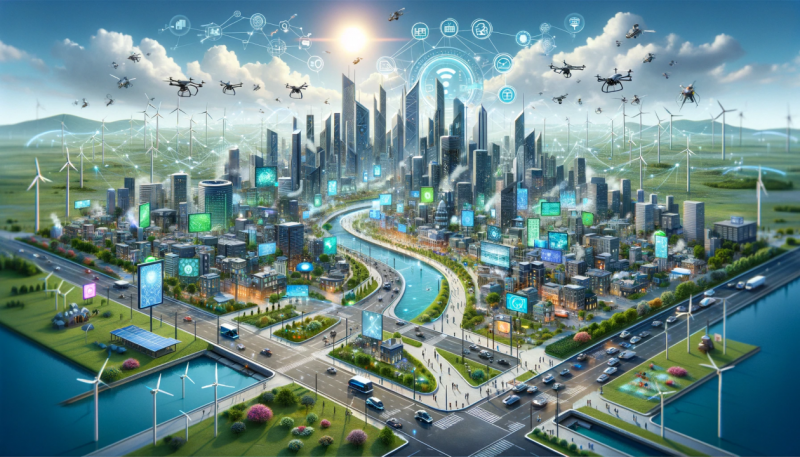
Cities have become the engines of global growth, innovation, and social change, News.az reports.
Today, more than half of the world’s population lives in urban areas — a figure expected to rise to nearly 70% by 2050. This unprecedented wave of urbanisation is reshaping infrastructure, housing, public services, and the way people interact with their surroundings. At the same time, the rise of smart-city technologies is redefining what a modern city should look like, pushing governments to integrate digital systems, sustainable design, and intelligent infrastructure at a scale never seen before.
Urbanisation brings both opportunities and challenges. On one hand, cities create jobs, attract investment, and connect talent networks. On the other, they face rising pressure on housing, transportation, healthcare, water supply, and waste management. Many urban areas struggle with pollution, traffic congestion, informal settlements, and overcrowded public transport. As populations grow, traditional city models become insufficient — forcing governments and planners to look toward more efficient, tech-driven solutions.
This is where the concept of smart cities becomes powerful. A smart city uses digital innovation, data analytics, and automated systems to improve the quality of life for residents. Rather than relying on outdated infrastructure, smart cities deploy integrated platforms that manage traffic flows, energy use, public safety, and environmental monitoring in real time.
One of the most visible examples of smart-city innovation is AI-powered traffic management. Sensors, cameras, and smart traffic lights analyse road conditions, predict congestion, and adjust signals dynamically. This reduces bottlenecks, shortens commute times, and lowers carbon emissions. In major cities, AI-driven transport platforms also inform drivers about accidents, parking availability, and optimal routes — transforming mobility into a smoother, more predictable experience.
Public transport is also undergoing a revolution. Electric buses, driverless shuttles, metro automation, and digital ticketing systems are becoming standard features of modern transportation networks. Cities like Singapore, Dubai, Shenzhen, and Amsterdam have already integrated smart transit solutions that reduce pollution, save energy, and move millions of people with greater efficiency. Future systems will likely rely on autonomous vehicles, shared mobility models, and interconnected transit hubs.
Urbanisation also increases pressure on housing systems. Many fast-growing cities face severe shortages, driving up prices and pushing residents into informal settlements. Smart housing strategies offer alternatives, using modular construction, 3D-printed buildings, and energy-efficient materials to create affordable and sustainable homes. Some cities use digital platforms to track housing demand, regulate rental prices, and prevent overcrowding.
Energy efficiency is another cornerstone of smart-city development. Buildings equipped with smart meters, automated cooling systems, and rooftop solar panels consume less energy and reduce operational costs. District-level energy grids share excess power across neighbourhoods, optimising consumption and boosting sustainability. In many regions, green architecture — including vertical gardens, reflective surfaces, and natural-cooling designs — helps reduce urban heat-island effects.
Environmental monitoring has become essential for modern cities. Air-quality sensors, noise-mapping tools, and water-quality systems provide real-time data that policymakers use to address pollution. Some cities publish this information openly, allowing residents to make informed decisions about daily activities. Urban forestry, rooftop gardens, and large-scale green belts also help combat heat and improve overall environmental health.
Safety and security are equally important. Smart surveillance systems equipped with AI analytics help detect unusual activity, identify emergency situations, and assist law enforcement. While these systems aim to improve public safety, they also raise debates about privacy and data protection — forcing cities to balance innovation with ethical considerations. Responsible governance and transparent regulations are essential for maintaining public trust.
Waste management is another area where technology is playing a transformative role. Smart bins equipped with sensors track waste levels and optimise collection routes, reducing fuel use and operational costs. Cities are introducing recycling robots, automated sorting facilities, and digital incentives that reward citizens for sustainable behaviour.
Digital governance has also become a key feature of smart cities. Online portals allow residents to access government services, submit applications, report violations, and receive official documents without visiting municipal offices. This reduces bureaucracy, increases transparency, and improves citizen satisfaction. In advanced models, digital twins — virtual replicas of entire cities — simulate infrastructure changes before they happen, allowing planners to make more accurate decisions.
Water and sanitation systems are equally important in fast-growing cities. Smart water networks detect leaks, monitor consumption patterns, and ensure safe supply. Meanwhile, wastewater-recycling technologies allow cities to reuse water for irrigation, cleaning, and industrial purposes — a critical advantage in drought-prone regions.
However, the transformation toward smart urbanisation is not without challenges. Many cities lack funding, skilled labour, or political stability to implement large-scale digital projects. Others struggle with outdated infrastructure that cannot easily integrate modern technologies. Rural-urban migration can overwhelm city systems, creating social inequality and putting pressure on basic services.
Experts stress that smart-city transformation requires long-term planning, public-private partnerships, and strong community engagement. Technology alone cannot fix urban problems — it must be supported by responsible governance, inclusive policies, and resilient infrastructure.
Despite these obstacles, the momentum behind smart-city development is stronger than ever. Countries view smart cities as engines of innovation, investment, and sustainable growth. As digital technologies evolve, cities of the future will be cleaner, safer, more efficient, and more connected.
Urbanisation is inevitable — but smart urbanisation is a choice. The decisions made today will determine whether future cities become centres of prosperity or zones of crisis. With the right strategy, cities can transform into dynamic, resilient environments that serve as models for global development in the decades ahead.


Similar news